
Be Beautiful

A Finish That Works With Honesdale’s Climate, Not Against It

Interior & Exterior Painting Tips, Tricks and Local NEPA Stories

The Right Temperature Changes Everything

Choosing an exterior paint color is about more than picking a shade you happen to like on a color card. The **temperature of a color—warm or cool—can change how your home’s architecture looks, how large it appears, how it relates to the surrounding landscape, and even how the color feels as natural light changes throughout the day.

For homeowners in Wilkes-Barre, Scranton, Dallas, Shavertown, Mountain Top, White Haven, and the Poconos, the surrounding landscape makes this decision particularly interesting. A home tucked into Pennsylvania woods has a very different visual setting from a city property surrounded by sidewalks, neighboring homes, and pavement.

Warm and cool colors can both be beautiful. The better choice depends on the home’s architecture, existing materials, amount of natural light, surrounding landscape, and the overall feeling you want the exterior to create.

Warm Exterior Colors Feel Grounded

Warm exterior colors tend to create a welcoming, grounded appearance.

They can work particularly well with natural materials such as:

  • Stone
  • Brick
  • Wood
  • Natural brown roofing
  • Warm-toned landscaping
  • Cedar elements
  • Earth-toned masonry

This is one reason warm colors can be especially attractive on homes in wooded parts of Pennsylvania.

A warm taupe, creamy white, or muted brown can visually connect the house to the surrounding trees, stone, and natural landscape without making the exterior disappear into it.

For a home in the woods around the Poconos or near Harveys Lake, a warm exterior palette can feel almost native to the setting.

Cool Colors Feel Crisp and Refined

Cool colors tend to create a cleaner, quieter, and more contemporary impression.

Blue-grays, cool whites, muted greens, and slate tones can work beautifully with:

  • Black roofing
  • Gray stone
  • Modern trim
  • Metal accents
  • White architectural details
  • Contemporary landscaping

Cool colors can also give traditional architecture a more updated appearance without changing the home’s structure.

A soft blue-gray on a classic Pennsylvania home, for example, can feel refined without becoming overly modern.

Consider Your Home’s Existing Stone and Brick

This is one of the most important factors homeowners sometimes overlook.

If your home has existing stone, brick, or masonry that won’t be painted, the exterior color needs to work with those permanent materials.

For example, Pennsylvania stone often contains multiple subtle tones. You may see gray, tan, brown, cream, or even muted green undertones.

A warm exterior color can pull out the warmer tones in the stone.

A cool gray can emphasize the cooler tones.

Neither is automatically right or wrong. The question is whether you want the painted surfaces to blend with the masonry or create a deliberate contrast.

How Natural Light Changes Exterior Color

Exterior paint doesn’t exist in a vacuum.

Sunlight changes throughout the day, and the same paint color can look noticeably different depending on when and where you’re viewing it.

A south-facing wall may receive strong sunlight and appear brighter. A north-facing wall can receive cooler, more indirect light and make certain colors appear more blue or gray.

Shaded areas can also change how colors are perceived.

This is particularly important for homes with large trees nearby.

A color that looks warm and creamy on a sunny sample may look considerably cooler once applied to a shaded wall.

That’s why small paint samples are helpful—but large samples are better.

Look at the color at different times of day and, ideally, under different weather conditions.

Warm Whites vs. Cool Whites

White sounds simple until you start comparing paint colors.

There are countless variations, and undertones make a major difference.

Warm whites

Warm whites typically contain subtle yellow, cream, beige, or red undertones.

They can create:

  • A softer appearance
  • A welcoming feel
  • Better harmony with warm stone and wood
  • A traditional aesthetic

Cool whites

Cool whites may contain blue, gray, or green undertones.

They can create:

  • A crisp appearance
  • Stronger contrast
  • A cleaner, more contemporary feeling
  • A sharper relationship with dark trim

A bright cool white can look beautiful on one home and stark on another.

If your property has warm stone, reddish brick, or natural wood, a warm white may coordinate more naturally.

When Should You Consider Repainting?

An inspection can also help determine whether maintenance is enough or whether the exterior coating is approaching the end of its service life.

Signs that repainting may be appropriate include:

  • Widespread peeling
  • Extensive chalking
  • Multiple areas of exposed substrate
  • Persistent cracking
  • Significant fading
  • Repeated spot repairs
  • Paint failure across multiple elevations

A few isolated problem areas don’t necessarily mean the entire house needs to be repainted.

Conversely, widespread coating failure isn’t likely to be solved by repeatedly touching up individual spots.

The overall condition matters.

Color Temperature and Curb Appeal

Warm and cool colors can both improve curb appeal, but they create different impressions.

Warm colors often communicate:

Comfort → Tradition → Natural warmth

Cool colors often communicate:

Clarity → Refinement → Modern simplicity

The architectural style should influence which direction you take.

A large traditional Colonial may look wonderful in a warm cream with darker shutters. A modern home may suit a cool charcoal-gray with crisp trim.

But there are no absolute rules.

A traditional home can look stunning in a cool blue-gray, and a contemporary house can feel beautiful in a warm taupe.

4 + 10 =

The Best Color Is the One That Belongs There

Warm versus cool isn’t really a competition.

It’s a question of relationship.

The best exterior color is one that works with your roof, stone, trim, architecture, landscaping, and the particular light your home receives. That’s especially true in NEPA, where a home in the woods around White Haven or the Poconos can have a completely different visual environment from a city property in Wilkes-Barre.

Warm colors can make a home feel grounded, welcoming, and connected to the landscape.

Cool colors can make it feel crisp, composed, and beautifully defined.

And when they’re thoughtfully combined, the two can create something even more interesting.

Before choosing a color, step back from the paint chip and look at the whole house. The right shade shouldn’t simply look beautiful in the store—it should look as though it belongs on your home.

8 + 3 =

In Honesdale, PA, exterior painting isn’t something you rush into based on appearance alone. The local environment—marked by seasonal humidity, wooded surroundings, and temperature swings—plays a major role in how paint performs over time.

Homes throughout Wayne County often sit among trees, near open land, or along quiet residential stretches where shade and moisture linger longer than in more urban settings. That means surfaces don’t always dry quickly, and coatings are constantly interacting with environmental factors that can affect adhesion and longevity.

Getting the exterior of your house painted here is less about picking a color and more about understanding when the surface is truly ready—and how to work with the conditions that are unique to this area.

What Makes Exterior Surfaces in Honesdale More Complex Than They Look

At first glance, a home’s exterior might seem straightforward. Siding is siding, paint is paint. But in practice, the surface is constantly changing due to exposure.

Homes near wooded areas or elevation changes—common around Honesdale—tend to experience:

  • Morning moisture that lingers on siding
  • Reduced sunlight in shaded sections
  • Organic buildup from nearby trees and foliage
  • Seasonal expansion and contraction of materials

These factors don’t just affect appearance—they influence how well new coatings bond and how long they hold up.
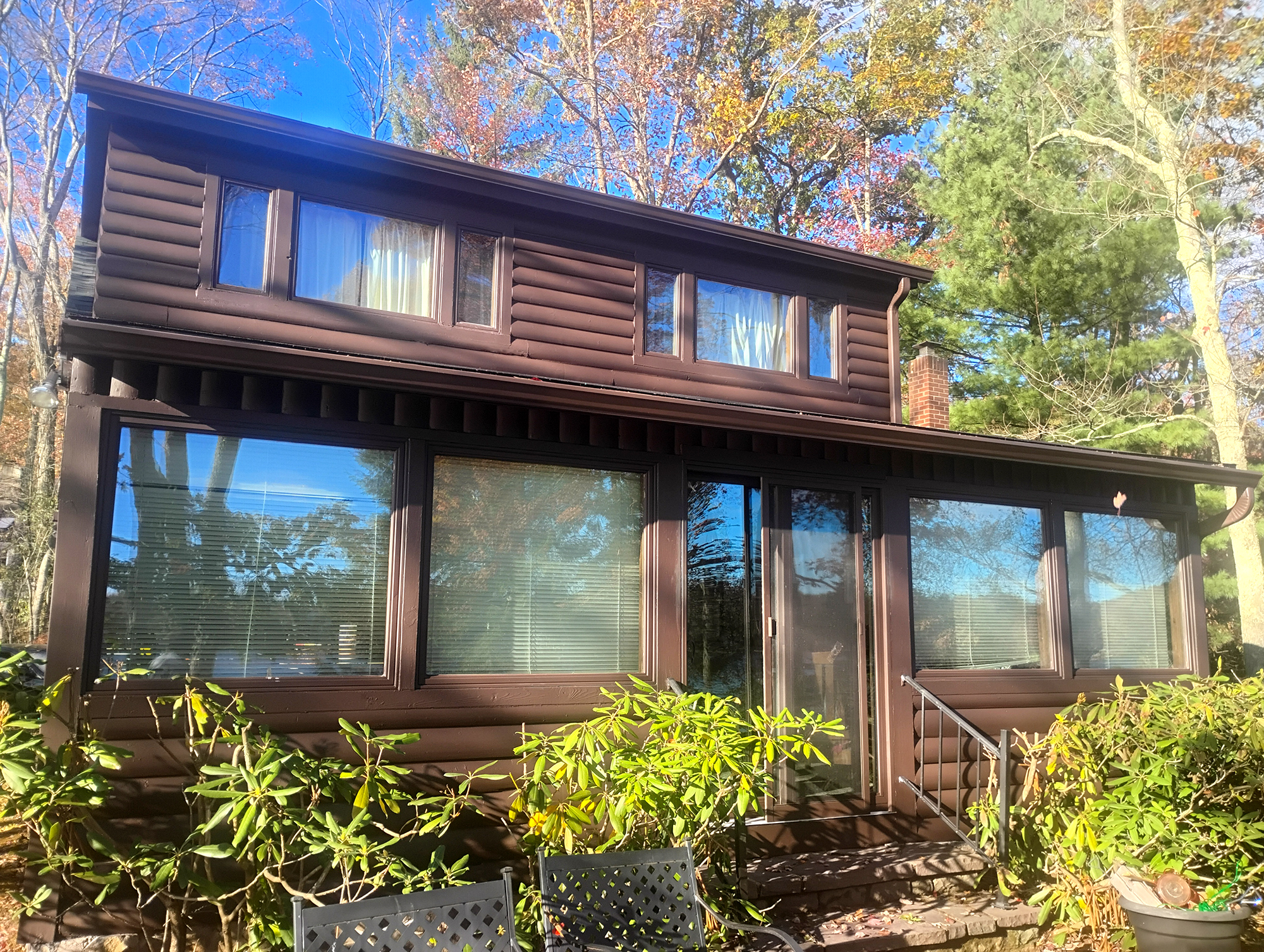
residential log cabin white haven pa exterior house painting cabin lake cabin poconos web

When a Home Is Ready for Exterior Painting

Not every exterior is ready for paint at the same time. The condition of the surface determines whether a project will succeed or struggle over time.

The Preparation Phase That Determines Everything

Exterior painting isn’t defined by the final coat—it’s defined by what happens before it.

In Honesdale, where surfaces are often exposed to both moisture and organic debris, preparation carries even more weight. A well-prepared surface allows coatings to bond properly and perform as intended through seasonal cycles.

Typical preparation involves:

  • Removing dirt, mildew, and surface contaminants
  • Addressing peeling or compromised paint areas
  • Creating a surface profile that supports adhesion
  • Ensuring the substrate is dry and stable

Skipping or rushing this stage is one of the most common reasons exterior finishes fail prematurely.


A Technical Perspective on Why Surface Condition Matters

Adhesion is the foundation of any exterior paint system.

For a coating to perform well, it must physically and chemically bond to the substrate. This bond can be compromised if the surface is too smooth, contaminated with oils or residue, or affected by moisture at the time of application.

Temperature and humidity also influence how the coating cures. If conditions prevent proper film formation, the paint may not fully harden, which can reduce durability and resistance to weathering.

In practical terms, this means that even high-quality materials can underperform if the surface and environment aren’t properly aligned before application.

Timing Exterior Painting Around Honesdale Weather Patterns

Weather windows matter more in northeastern Pennsylvania than many homeowners realize.

A stretch of dry days is often needed not just for application, but for the coating to cure properly. In shaded areas or properties surrounded by trees, drying times can extend beyond what’s typical in more open environments.

Ideal conditions usually include:

  • Moderate temperatures without extremes
  • Low to moderate humidity
  • Dry surfaces before application begins
  • No rain in the immediate forecast

Homes near areas like Central Park or along tree-lined residential roads often require additional attention to timing due to reduced sun exposure.


Common Exterior Materials in Honesdale Homes

Different homes in the area use different materials, and each responds differently to paint.

  • Wood siding: Requires careful sealing and moisture awareness
  • Vinyl siding: Needs coatings that accommodate expansion and flexibility
  • Fiber cement: Generally stable but still dependent on proper prep
  • Brick or masonry: May require breathable coatings depending on condition

Understanding the substrate is just as important as understanding the weather—it influences both preparation and coating selection.

A Local Perspective on Exterior Maintenance

Homes in Honesdale are built to last, but exterior finishes still require upkeep to stay effective. Whether it’s a home closer to town or one tucked into the wooded outskirts, exposure to seasonal elements gradually breaks down protective coatings.

After spending time outdoors—whether it’s a quiet afternoon near the Lackawaxen River or a walk through nearby trails—homeowners return to spaces that should feel secure and well-maintained. A properly finished exterior contributes to that sense of consistency between the environment and the home itself.

A Common Local Search Question (Answered Clearly)

“How often should a house be painted in Honesdale, PA?”

Most homes in Honesdale benefit from exterior repainting every 5–10 years, depending on the material, exposure, and quality of the previous coating. Homes with more direct sun exposure or those surrounded by trees and moisture may require maintenance closer to the shorter end of that range, while well-protected surfaces with high-quality finishes may last longer.

Final Thoughts

Getting the exterior of your house painted in Honesdale is as much about environmental awareness as it is about aesthetics. The combination of moisture, shade, seasonal change, and local housing styles means that successful results depend on timing, preparation, and an understanding of how materials behave in this specific region.

When those elements are aligned, exterior painting becomes more than maintenance—it becomes a way to protect the home while keeping it visually consistent with the care it receives year after year.

1 + 12 =