
Be Beautiful

Common Mistakes Homeowners Make When Painting Outside

Interior & Exterior Painting Tips, Tricks and Local NEPA Stories

Your Landscaping Meets Your Paint

A beautifully painted home can completely change the way a property looks. But even a high-quality exterior paint job is still exposed to everything around it—including the landscaping growing alongside the house.

Trees, shrubs, vines, mulch, irrigation systems, and dense vegetation can all affect painted exterior surfaces. Some effects are purely cosmetic, such as dirt and green staining. Others can contribute to moisture retention, paint deterioration, wood rot, or premature peeling.

For homeowners in Wilkes-Barre, Scranton, Luzerne and Lackawanna counties, landscaping deserves particular attention because NEPA’s seasonal weather creates plenty of moisture, temperature changes, snow, and humidity. A shaded wall surrounded by vegetation can dry very differently from an exposed wall receiving direct sunlight and airflow.

So, how can landscaping affect exterior paint?

The short answer is that landscaping can change how much moisture, dirt, shade, abrasion, and biological growth your exterior surfaces experience. Managing those conditions can help painted surfaces stay cleaner and perform better over time.

Moisture Is the Biggest Concern

Paint and moisture have a complicated relationship.

Exterior paint is designed to protect the underlying surface from weather, but constantly damp conditions can create problems—particularly when moisture becomes trapped against wood or other porous materials.

Landscaping can contribute to that moisture in several ways.

Dense shrubs may sit directly against siding. Tree branches can block airflow. Irrigation may repeatedly spray the same section of the house. Mulch can remain damp against lower trim or siding.

None of these automatically means your paint will fail.

But when several conditions occur together, the exterior may stay wet longer than intended.

Trees Provide Shade—and Change How Paint Weathers

Shade can be wonderful for a home.

It can reduce heat gain and make outdoor spaces more comfortable, particularly during Pennsylvania summers. But shaded exterior walls also tend to dry more slowly after rain, especially when trees are combined with dense shrubs or limited airflow.

This creates an interesting balance.

A wall exposed to strong sunlight may experience more UV exposure and temperature-related movement. A heavily shaded wall may experience more moisture retention and biological growth.

Neither environment is automatically worse.

The important thing is understanding that different sides of the same house can experience very different conditions.

Tree Branches Can Physically Damage Painted Surfaces

Branches do not have to fall on the house to cause problems.

Smaller branches can repeatedly brush against siding and trim when wind moves them. Over time, that friction can wear the paint surface and leave scratches or exposed areas.

This is particularly noticeable on homes surrounded by mature trees, including properties in the wooded communities around the Poconos, Harveys Lake, Mountain Top, and White Haven.

During storms, larger branches also create a more obvious risk.

Keeping trees properly maintained can reduce unnecessary contact between branches and the home’s exterior.

Vines Can Be Especially Hard on Painted Surfaces

Climbing plants can create a dramatic look on older homes and masonry buildings, but they can also complicate exterior maintenance.

Vines may:

  • Trap moisture against the surface
  • Make inspections difficult
  • Hide cracks or damaged areas
  • Interfere with painting
  • Leave organic residue behind
  • Attach themselves to certain surfaces

Removing established vines can also expose underlying damage that was previously hidden.

If a wall needs painting, the vegetation should be evaluated and managed before surface preparation begins rather than simply painted around.

Landscaping Can Affect Wood More Than Paint

Sometimes homeowners notice peeling paint and assume the paint itself is the problem.

But the underlying issue may be moisture affecting the wood.

This can happen around:

  • Window trim
  • Door trim
  • Porch components
  • Fascia
  • Wood siding
  • Exterior corners
  • Lower wall sections

When vegetation stays wet against these areas, the wood may have difficulty drying. If moisture enters through damaged paint, open joints, failed caulk, or other vulnerable areas, deterioration can develop underneath the coating.

Paint cannot repair rotten wood.

If wood has become soft, crumbly, or structurally compromised, the damaged material should be evaluated and appropriately repaired before repainting.

Irrigation Can Prematurely Wear Exterior Paint

Automatic irrigation systems make landscaping much easier to maintain, but sprinkler placement matters.

If sprinklers repeatedly spray siding, doors, trim, or painted masonry, the exterior receives moisture that it was not necessarily designed to experience continuously.

Hard water can also leave mineral deposits after repeated evaporation, creating visible spotting or staining.

Ideally, irrigation should water the landscape rather than the house.

If you notice a recurring wet spot on your siding shortly after the irrigation system runs, adjusting the sprinkler direction may be a simple but worthwhile maintenance improvement.

NEPA’s Seasons Make Exterior Maintenance Important

A home in Wilkes-Barre or Dallas experiences a broad range of seasonal conditions.

Spring brings rain and renewed plant growth. Summer introduces humidity, heat, and thunderstorms. Autumn brings falling leaves and organic debris. Winter adds snow, ice, freezing temperatures, and repeated freeze-thaw cycles.

Landscaping interacts with all of these conditions.

A shrub that is harmlessly positioned during a dry summer may create a moisture issue when autumn leaves accumulate against the siding. A tree branch that looks distant from the house can become a problem once winter weather and strong winds arrive.

Exterior paint maintenance is therefore not just about paint.

It is also about the environment surrounding the painted surface.

A Healthier Landscape Can Help Protect the Finish

Good landscaping and a well-maintained exterior do not have to compete with each other.

Trees can provide valuable shade. Shrubs can add privacy. Gardens can soften architectural lines. Native and established plants can make a property feel deeply connected to its surroundings—something that is especially fitting for homes in the wooded parts of Northeastern Pennsylvania.

The goal is simply to keep the landscape from creating unnecessary moisture, abrasion, or access problems.

A little space and airflow can make a meaningful difference.

The Paint Job and the Property Should Work Together

Exterior paint does not exist in isolation.

The condition of the siding, trim, caulk, drainage, landscaping, and surrounding environment all influence how a painted surface performs. When those pieces work together, maintenance becomes easier and the finish has a better chance of aging gracefully.

For homeowners in Wilkes-Barre, Scranton, Shavertown, Clarks Summit, Dallas, and throughout the Poconos, that means looking beyond the paint color when caring for an exterior.

Trim the branches. Give the walls room to breathe. Keep irrigation off the siding. Watch for moisture. Address damaged wood before painting.

Those small decisions can help protect a much larger investment—and keep a beautifully painted home looking like it belongs in the landscape around it.

8 + 14 =

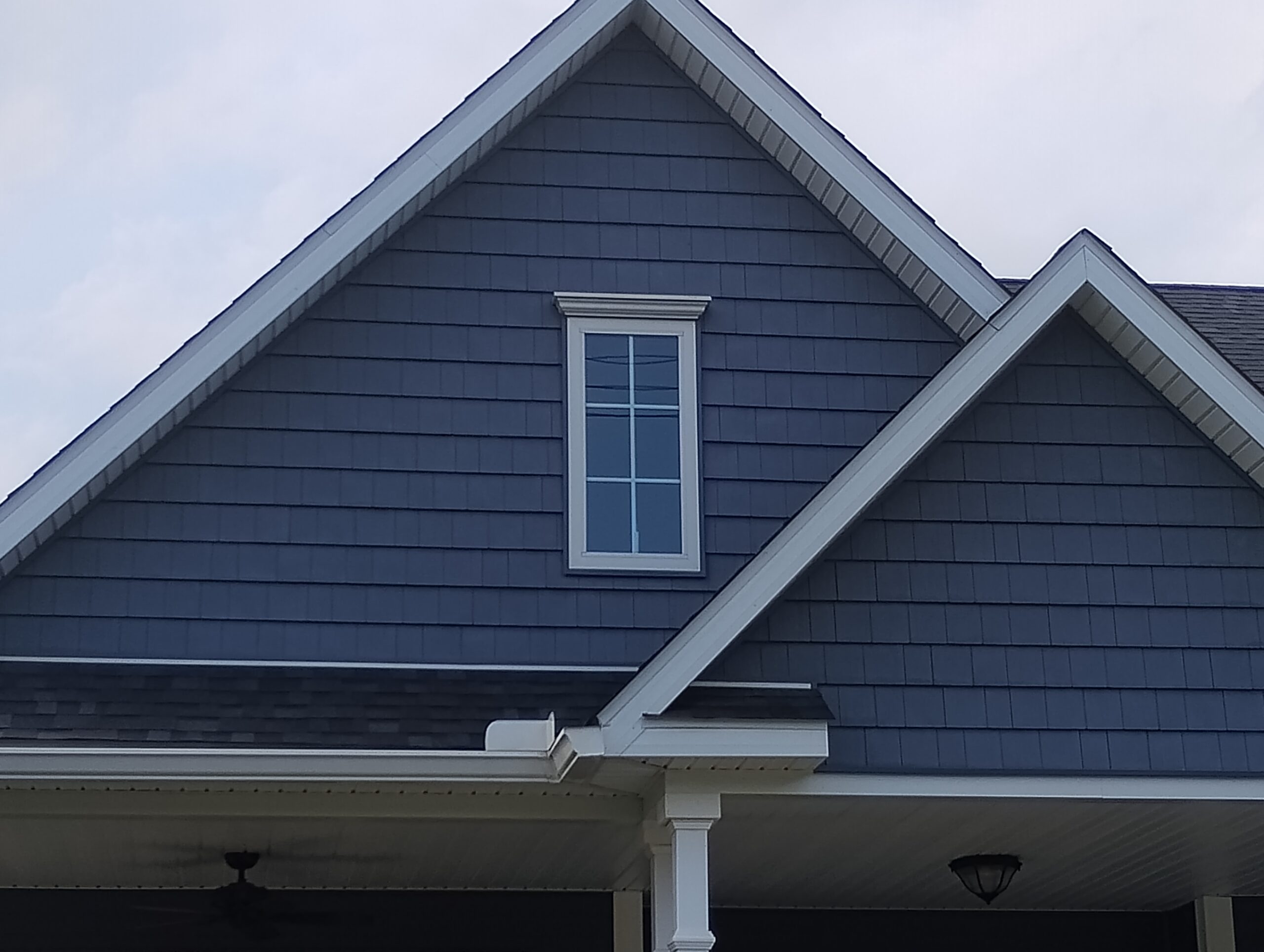
cedar shake exterior house painting blue and white trim wilkes-barre pa

Painting the exterior of your Wilkes-Barre or Scranton PA home is one of the best ways to boost curb appeal and protect it from the elements. Especially the harsh frozen winters of higher elevations like White Haven or the Poconos. But if you’ve ever started an outdoor painting project and realized halfway through that things weren’t going as planned — you’re not alone.

Here in NEPA, we see homeowners make the same few mistakes when tackling exterior painting. A little preparation (and the right approach) can make all the difference between a paint job that lasts for years — and one that starts peeling before the next season.

At House Painting Direct, we’ve seen it all. Here are the most common mistakes to avoid when painting your home’s exterior.

Exterior Painting Prep

Paint only sticks as well as the surface underneath. Dirt, mildew, and old, flaking paint can prevent new paint from bonding properly.


Always start by washing the exterior, scraping off loose paint, and sanding rough spots. This clears off all the old dirt that may have accumulated over a particularly long PA winter, or dusty summer. Then, apply primer before painting. Skipping this step might save you time now — but you’ll pay for it when the paint starts peeling next year.
Painting in the Wrong Weather

NEPA weather can be unpredictable, and that’s exactly why timing matters.


Paint doesn’t like extreme temperatures — too hot and it dries unevenly, too cold and it won’t cure properly. The sweet spot? Between 50°F and 85°F, with low humidity and no rain for at least 24 hours. Professional painters also have access to paints with a higher range of temperature ratings so that they can be applied at different times and last longer during those extreme winter months full of Noreasters and PA Blizzards.


Avoid painting in direct sunlight too — shade or overcast days are your friend. The can be especially useful to pay attention to in the cooler autumn months of PA. 
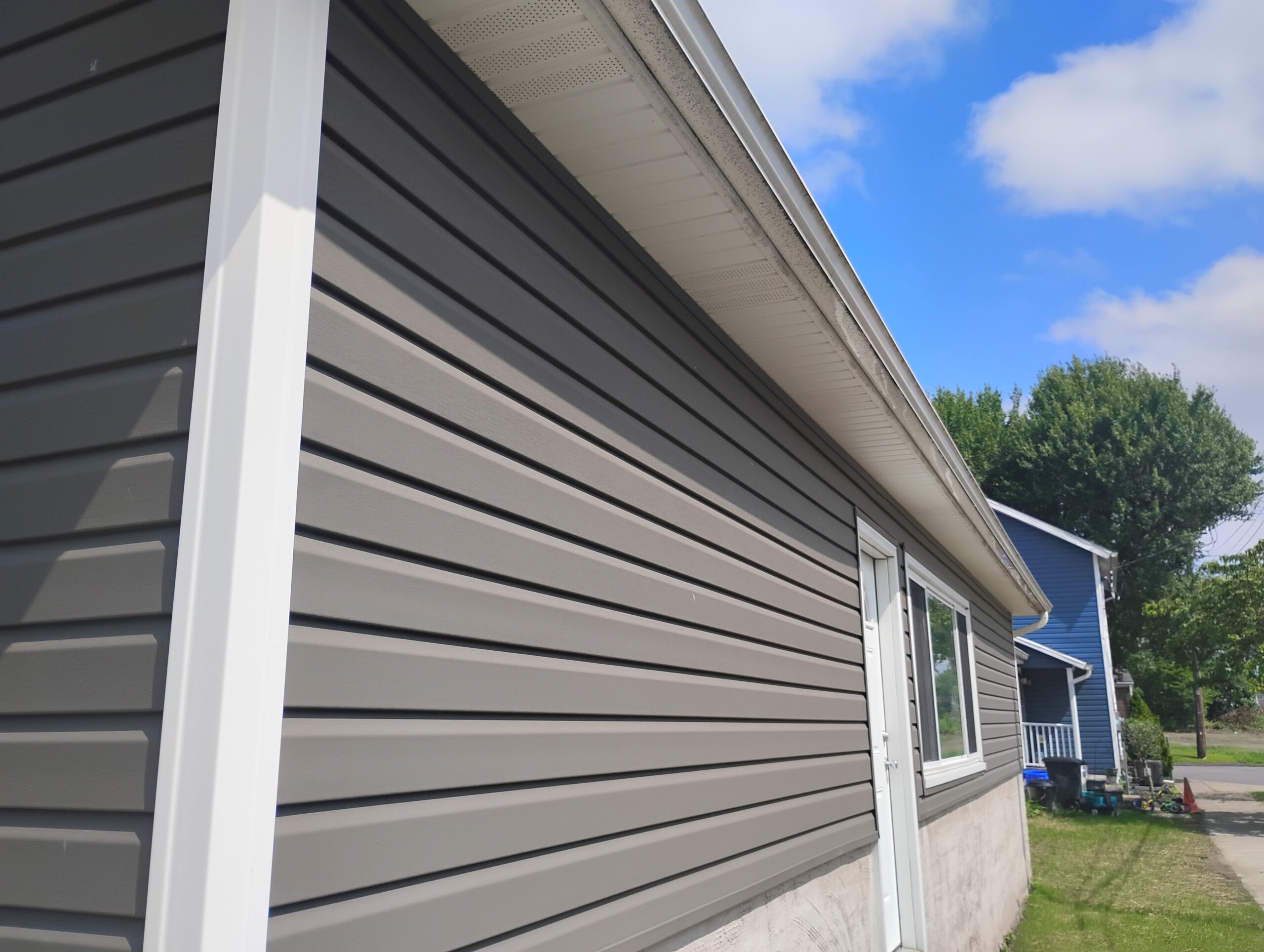
vinyl siding house painting exterior

Choosing the Wrong Paint or Finish

Applying the wrong type of paint or finish to your home’s exterior can lead to serious problems — especially in NEPA’s harsh weather conditions. Using an interior-grade or low-quality paint outdoors often results in peeling, fading, and moisture damage within just one season. Professional exterior painters in Wilkes-Barre, Scranton, and Hazleton know which products are formulated to withstand sun, snow, and humidity — from flexible, weather-resistant coatings to mildew-resistant finishes for siding, trim, and decks. Choosing the right paint sheen, primer, and finish system ensures long-lasting color, better protection, and a clean, durable surface that keeps your home looking beautiful year after year.
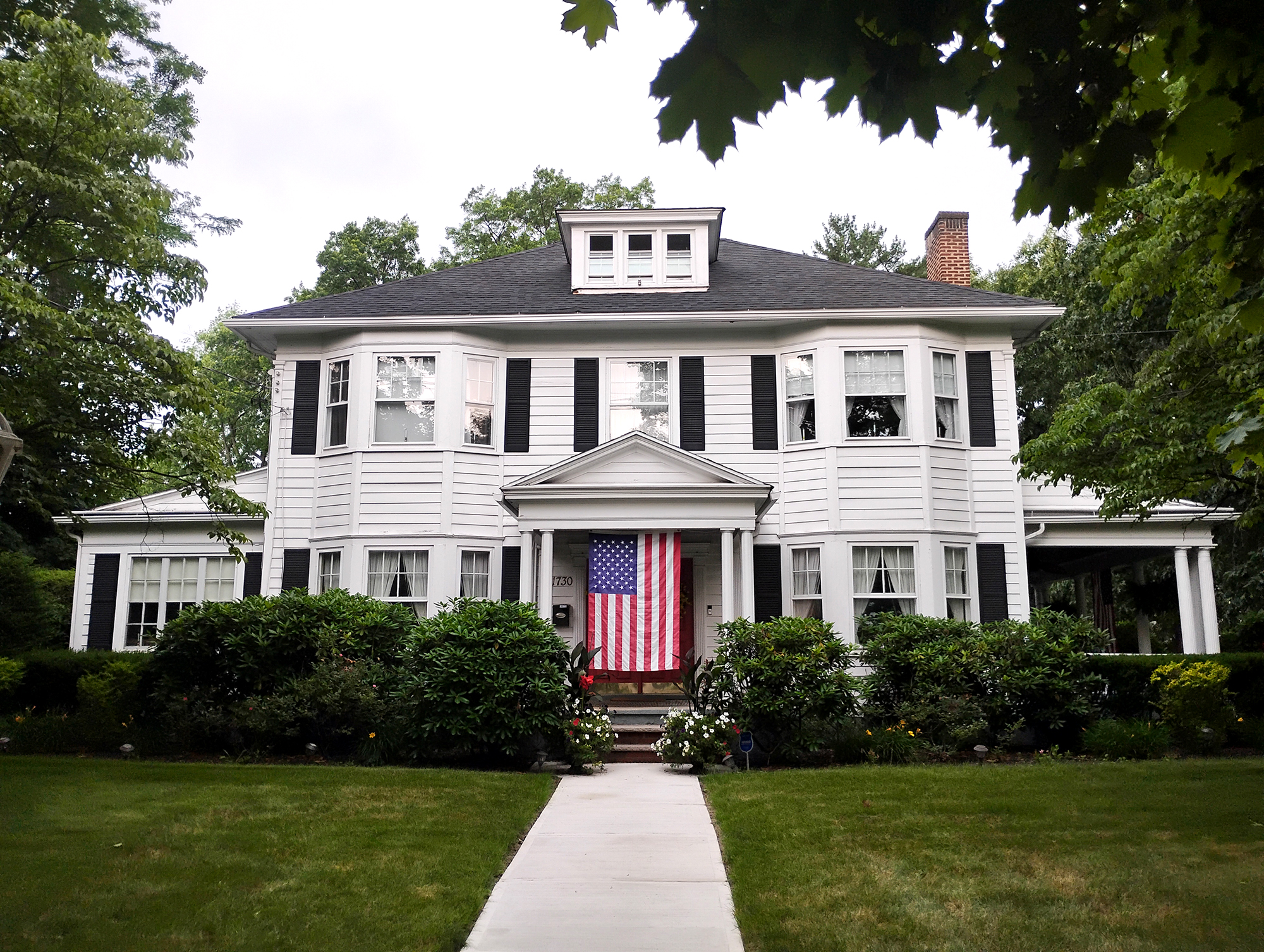
house painting residential white wilkes barre

5 + 2 =

Ignoring Cracks, Holes, and Moisture Damage

Proper prep work is the foundation of any lasting paint job — and that starts with repairing cracks, holes, and water-damaged areas before a single brush touches the surface. In Wilkes-Barre, Scranton, and Hazleton, where older homes often face shifting foundations and humid weather, even small imperfections can lead to peeling, bubbling, or mold growth if left untreated. Professional house painters in NEPA take time to fill gaps, seal joints, and dry out moisture spots to create a smooth, stable base that locks in paint and extends the life of your finish. Skipping this step may save a day now, but it can cost you years off your exterior paint’s durability later.

Our Advice

Painting your home’s exterior isn’t just about looks — it’s about protecting your investment.


Take the time to clean, prep, and paint properly, or let professionals handle the job for you. At House Painting Direct, we use premium paints, proven prep techniques, and weather-tested methods to make sure your home stays beautiful and protected through every NEPA season.

Because out here, your home deserves more than just a quick coat — it deserves a paint job that lasts.