
Be Beautiful

Does House Painting Increase Property Value?

Interior & Exterior Painting Tips, Tricks and Local NEPA Stories

A Farmhouse Palette With Pennsylvania Character

Modern farmhouse style has a particular appeal in Pennsylvania. It feels comfortable without looking overly casual, traditional without feeling dated, and clean without losing the warmth that makes a house feel like home.

For homeowners in Wilkes-Barre, Dallas, Shavertown, Mountain Top, and throughout NEPA, the style also fits naturally into the region. Pennsylvania homes often sit among mature trees, rolling hills, stone, brick, and changing seasonal landscapes. The right exterior paint colors can complement those surroundings while giving a farmhouse-inspired home a more current, intentional appearance.

The key is understanding that modern farmhouse design is less about choosing one specific shade of white and more about creating a balanced exterior palette. The siding, trim, shutters, doors, roof, stonework, and surrounding landscape all influence how the final colors will look.

Why Modern Farmhouse Colors Work So Well in Pennsylvania

Modern farmhouse exteriors typically rely on a restrained color palette. Instead of using several competing colors, the design usually centers around one dominant siding color, a complementary trim color, and one or two carefully selected accents.

That simplicity works particularly well with Pennsylvania architecture.

Older homes throughout the Wilkes-Barre and Scranton areas may already have visual details such as wood siding, stone foundations, brick chimneys, divided-light windows, or traditional rooflines. A modern farmhouse palette can update the appearance without forcing the home into an entirely different architectural style.

The surrounding landscape matters, too.

A cool gray that looks crisp against a suburban backdrop may feel very different when surrounded by dark green trees. A warm white can blend beautifully with Pennsylvania stone, while a muted green can echo the natural landscape around a home in the woods.

Natural Wood Changes the Entire Palette

Modern farmhouse exteriors often incorporate natural wood through front doors, porch posts, brackets, garage doors, or other architectural details.

When real wood is part of the exterior, paint colors should be selected with its undertone in mind.

For example, a warm wood door may work beautifully with:

Warm white + greige + natural wood

A cooler gray exterior may pair better with:

Soft gray + charcoal + medium-toned wood

The wood itself becomes part of the color palette. Treating it as an afterthought can make the exterior feel disconnected.

How Pennsylvania Weather Affects Exterior Color Choices

Pennsylvania’s changing seasons are part of what makes the region beautiful, but they also change the way exterior colors are perceived.

Summer brings strong greenery. Fall introduces oranges, reds, and golds. Winter can surround a home with snow and muted landscapes, while spring brings softer greens and warmer light.

A color that looks balanced in July may feel different against a snowy January landscape.

This is one reason homeowners should avoid choosing an exterior color based solely on a small paint chip viewed indoors. Large exterior surfaces reflect considerably more light, and surrounding colors can influence how the paint appears.

The direction the house faces matters as well.

South-facing surfaces generally receive stronger, warmer sunlight. North-facing surfaces tend to receive cooler, more consistent light. Shade from trees can further change the appearance of the same paint color from one wall to another.

What About the Roof?

The roof should be considered before finalizing a modern farmhouse paint palette.

A roof is one of the largest color elements on a home, and replacing or repainting the siding without considering it can create an awkward combination.

For example:

  • Black or charcoal roof: Works well with warm white, gray, greige, green, and many blue-gray colors.
  • Brown roof: Often pairs naturally with warmer whites, beige, greige, muted greens, and natural wood.
  • Weathered gray roof: Can complement soft gray, white, greige, navy, and muted green.
  • Mixed or multitone roofing: Usually benefits from a simpler siding color that does not compete with the roof.

The goal is not for every exterior component to match. Good exterior design usually comes from coordination and controlled contrast.

Modern Farmhouse Colors for Older Pennsylvania Homes

Modern farmhouse style is not limited to new construction.

It can work beautifully on older Pennsylvania homes, provided the paint palette respects the existing architecture.

A historic or traditional home may have details that deserve to remain visible. Overly contrasting trim, shutters, or accent colors can sometimes make those details feel busier rather than more intentional.

For older homes in Wilkes-Barre and surrounding communities, a restrained palette can provide a modern update while preserving the character that makes the property distinctive.

Think less about making an older home look brand new and more about helping its original features look clean, balanced, and purposeful.

A Refined Palette Often Ages Better

Modern farmhouse design has remained popular because its underlying approach is relatively simple: clean lines, restrained colors, natural materials, and thoughtful contrast.

That simplicity can also make the style easier to maintain visually over time.

Instead of selecting a highly specific trend color, homeowners may find more lasting appeal in a palette built around warm neutrals, soft grays, muted greens, natural wood, and carefully controlled dark accents.

For a home in NEPA, that restrained approach also allows the property to feel connected to its surroundings rather than visually separated from them.

Final Thoughts

Choosing modern farmhouse exterior colors for a Pennsylvania home is about more than finding a popular white, gray, or green.

The roof, masonry, architecture, natural surroundings, lighting, and existing materials all influence how the finished color will look. A successful palette brings those elements together rather than treating the siding as an isolated decision.

For homeowners in Wilkes-Barre, Dallas, Shavertown, Mountain Top, and throughout Northeastern Pennsylvania, the most compelling modern farmhouse exteriors tend to balance simplicity with warmth. The result is clean and current, but still appropriate for the character of a Pennsylvania home.

A thoughtfully selected palette does not need to shout for attention. It simply makes the entire property feel more considered.

If you’d like, I can also create the Title Tag, Meta Description, and the five social posts for this article in the same House Painting Direct style.

11 + 12 =

A Fresh Coat, A Stronger Investment

For many homeowners, painting is often viewed as a cosmetic update—a way to refresh a room, modernize a color scheme, or boost curb appeal. But beyond appearance, house painting can have a measurable impact on property value. Whether you’re preparing to sell, maintaining a long-term investment, or simply improving the way your home looks and feels, professional painting remains one of the most cost-effective improvements available.

The real question isn’t whether painting affects property value. It does. The more important question is how much value it creates and why buyers consistently respond to well-painted homes.

In Northeastern Pennsylvania, where homes endure long winters, humid summers, heavy rainfall, and seasonal temperature swings, paint serves a practical purpose as much as an aesthetic one. A properly maintained paint system protects surfaces while helping a property present itself at its best.

First Impressions Influence Perceived Value

When prospective buyers arrive at a property, their opinions begin forming before they step through the front door.

Exterior paint contributes significantly to what real estate professionals call “curb appeal”—the overall attractiveness of a home from the street. Even if a home’s structure is sound and its interior is beautifully maintained, faded, peeling, or outdated paint can create the impression that maintenance has been neglected.

Conversely, a freshly painted exterior signals care and attention. Buyers often interpret a well-maintained exterior as evidence that the rest of the home has been cared for as well.

This psychological effect matters because perceived value often influences actual market value.

Interior Painting Can Make Spaces Feel Larger and Newer

The impact of interior painting is often underestimated.

Unlike major remodeling projects that can cost tens of thousands of dollars, painting provides a dramatic visual transformation at a relatively modest investment. Fresh, professionally applied paint can make rooms feel:

  • Brighter
  • Cleaner
  • Larger
  • More modern
  • Better maintained

This is especially important when selling a home.

Many buyers struggle to look past highly personalized colors. A dining room painted deep red or a bedroom painted bright purple may perfectly suit the current owner’s taste, but it can make it difficult for buyers to envision themselves living in the space.

Neutral, contemporary colors help create a blank canvas that appeals to a broader audience.

Paint Is More Than Decoration

One reason painting contributes to property value is that it serves as protection.

Exterior paint functions as a barrier against moisture, ultraviolet rays, temperature fluctuations, and environmental wear. When paint begins to fail, the underlying materials become vulnerable.

Consider what can happen when exterior surfaces are left unprotected:

Surface

Potential Issues Without Proper Paint Protection

Wood Siding

Rot, swelling, cracking

Trim Boards

Moisture intrusion and decay

Fascia & Soffits

Water damage and deterioration

Porch Railings

Splitting and structural wear

Exterior Doors

Warping and weather damage

In areas throughout Luzerne and Lackawanna Counties, where winter snow and spring moisture are common, maintaining protective paint coatings can help homeowners avoid significantly larger repair costs down the road.

Buyers recognize this value—even if only subconsciously. A freshly painted home suggests fewer immediate maintenance concerns after purchase.
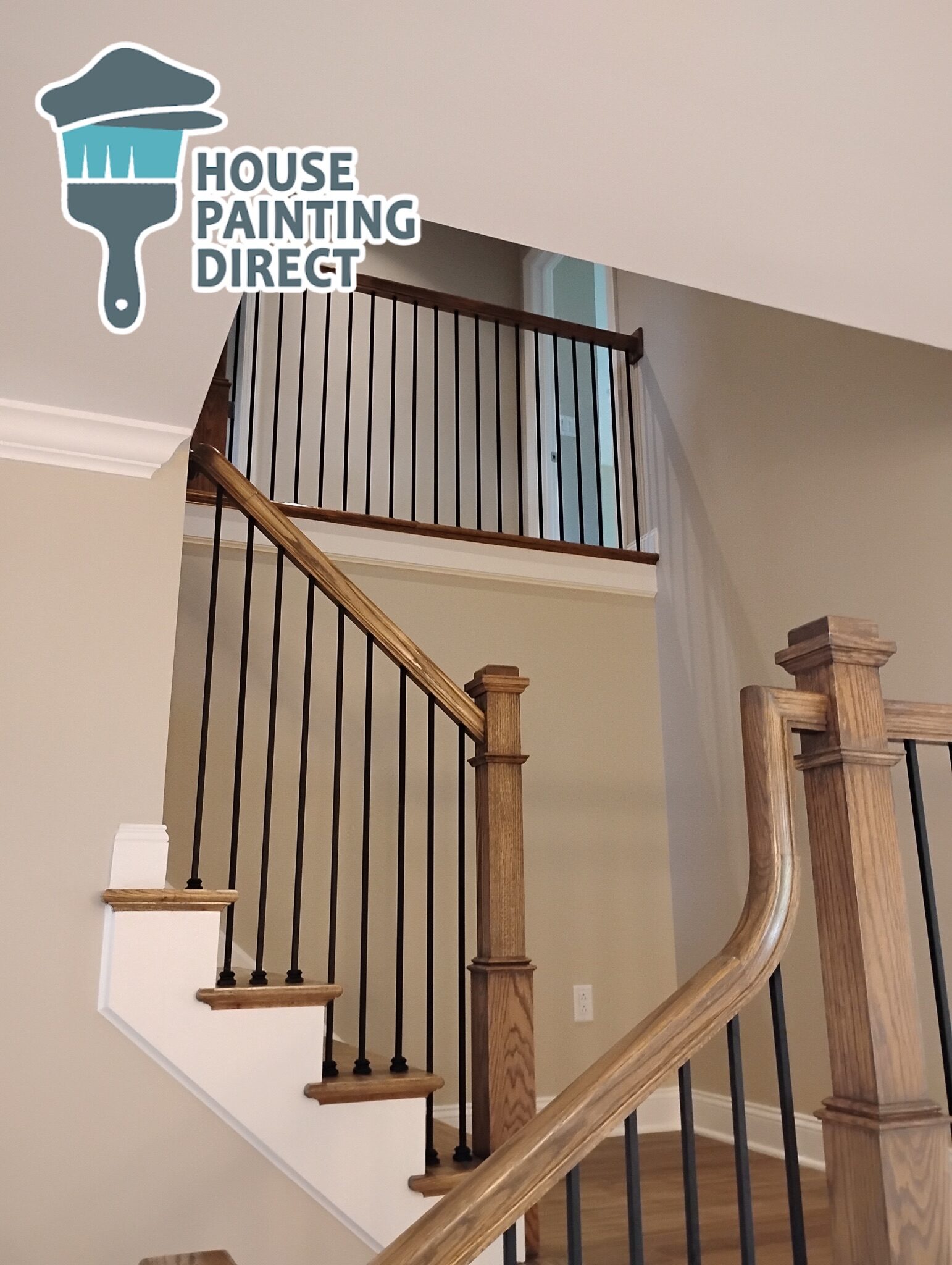
staircase interior house painting wilkes-barre

2 + 4 =

How Much Value Can Painting Add?

There is no universal number because every property, neighborhood, and housing market is different.

However, painting consistently ranks among the home improvements with some of the strongest returns on investment.

The reason is simple:

Painting affects multiple value drivers simultaneously.

  • Visual appeal
  • Perceived maintenance
  • Marketability
  • Buyer confidence
  • Surface protection
  • Move-in readiness

A home that looks clean, updated, and cared for often attracts stronger interest than a comparable property requiring immediate cosmetic work.

In competitive housing markets, that difference can influence both sale price and time on market.

Exterior vs. Interior Painting: Which Adds More Value?

Both can contribute, but their impact differs.

Exterior Painting

The exterior often creates the largest first impression.

Benefits include:

  • Increased curb appeal
  • Improved neighborhood presence
  • Better protection against weather
  • Enhanced buyer confidence

Interior Painting

Interior painting affects the buyer experience after entering the home.

Benefits include:

  • Updated appearance
  • Cleaner presentation
  • Brighter living spaces
  • Greater move-in appeal

For homeowners preparing to sell, addressing both areas often produces the strongest overall results.

Color Choices Matter More Than Many Homeowners Realize

Not all paint colors create equal value.

Highly personalized colors may limit buyer interest, while timeless palettes tend to appeal to a broader range of homeowners.

For homes throughout Wilkes-Barre, Dallas, Clarks Summit, Shavertown, Mountain Top, and the Pocono region, neutral tones remain consistently popular because they complement a wide range of architectural styles.

Commonly Attractive Choices Include:

  • Warm whites
  • Soft grays
  • Greige combinations
  • Muted earth tones
  • Classic navy accents
  • Deep charcoal trim details

These colors help homes feel current without appearing trendy or short-lived.

The Long-Term Value of Consistent Maintenance

Property value is rarely created by a single improvement. Instead, value grows through consistent maintenance and thoughtful updates over time.

Painting plays an important role in that equation because it bridges both aesthetics and protection.

A well-painted home looks better, photographs better, attracts more positive attention, and remains better protected against environmental wear. For homeowners throughout Wilkes-Barre, Scranton, Dallas, Harveys Lake, White Haven, Mountain Top, Clarks Summit, and surrounding NEPA communities, maintaining quality paint finishes is often one of the simplest ways to preserve both beauty and long-term property value.

The Bottom Line

Yes, house painting can increase property value.

Its impact comes not only from making a home more attractive, but also from demonstrating proper maintenance, protecting critical building materials, and creating a stronger first impression for potential buyers.

Whether you’re planning to sell next month or stay in your home for another decade, quality painting remains one of the most practical investments you can make. In a region like Northeastern Pennsylvania—where weather, moisture, and seasonal extremes constantly test exterior surfaces—a professionally maintained paint system helps protect both your home and the value it represents.

5 + 7 =