
In Wilkes-Barre, repainting isn’t just about keeping a home looking sharp—it’s about staying ahead of a climate that quietly works against your exterior year-round. Between the damp air rolling off the Susquehanna River, long winters, and heavy summer sun exposure, paint here doesn’t fade gently—it wears down with intent.
Drive through neighborhoods off South Franklin Street or out toward North River Street, and you’ll notice it. Some homes hold their finish beautifully. Others? You can see where the paint has already started giving up—subtly at first, then all at once.
The difference usually comes down to timing.
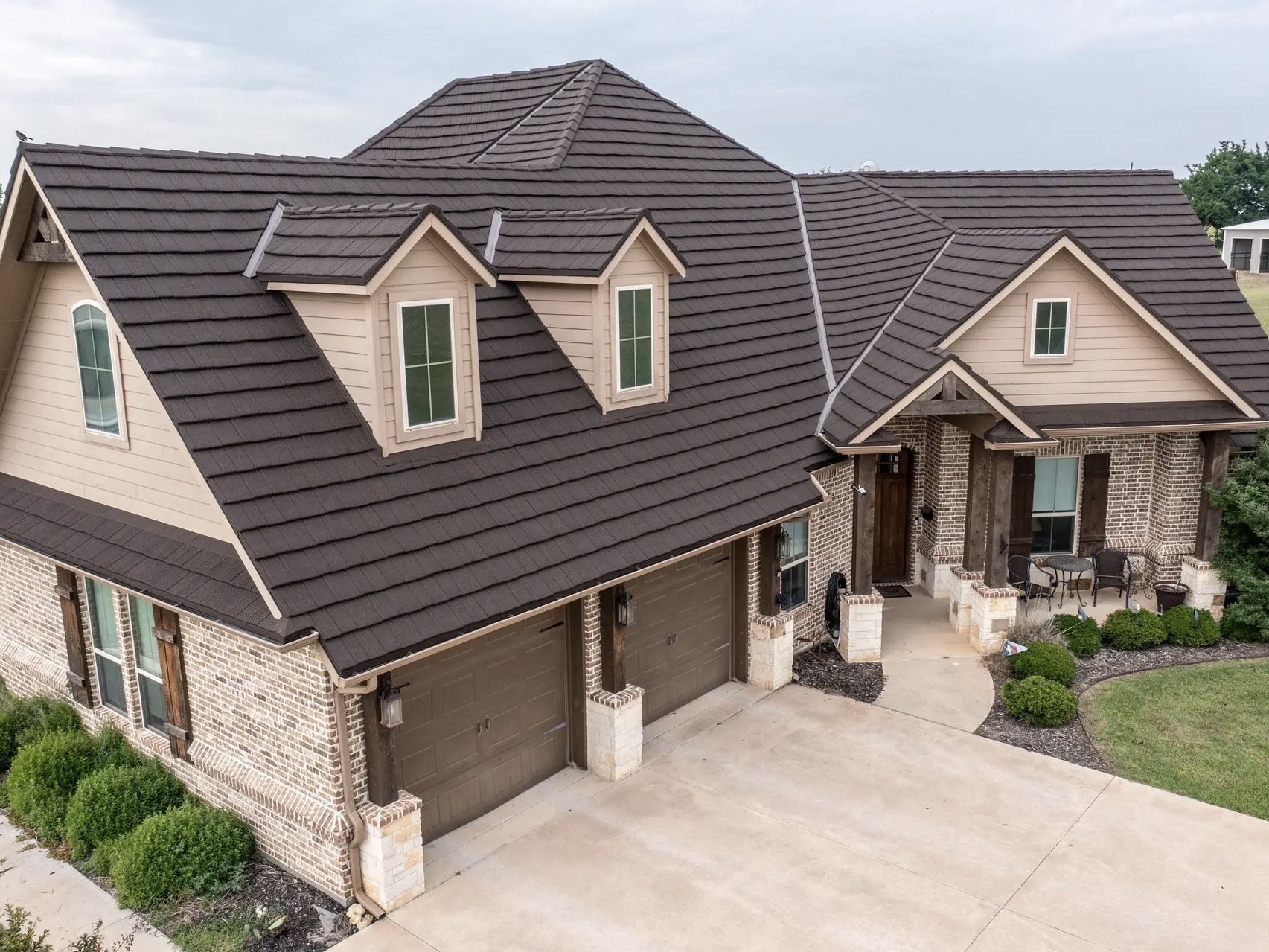
When Paint Quietly Crosses the Line
There’s a stage where paint still “looks okay” from the curb—but up close, it’s already failing. That’s the moment most homeowners miss.
In areas like Parsons or the edges of Wilkes-Barre Township, where homes deal with a mix of shade, moisture, and older construction materials, paint deterioration often starts in less visible spots—under eaves, around trim, or along foundation lines.
By the time it’s obvious, you’re no longer repainting—you’re repairing.
Fading Isn’t Just Cosmetic Anymore
A lot of homeowners brush off fading. It feels normal. Expected, even.
But in reality, fading is often the first indicator that your paint’s protective chemistry has started breaking down.
On homes facing direct afternoon sun—especially those out toward the more open stretches near Wilkes-Barre Township Boulevard—UV exposure can degrade paint faster than you’d think.
You might notice:
- Color softening unevenly across siding
- A slightly powdery residue when touched
- Trim losing contrast against the main body
That powdery feel isn’t dirt. It’s the paint itself breaking down.
Where Peeling Starts (And Why It Spreads)
Peeling rarely starts in the middle of a wall. It begins where moisture lingers.
Think:
- Bottom edges of siding after snow melt
- Window sills where water sits after rain
- North-facing walls that don’t dry as quickly
Once paint lifts in these areas, moisture gets behind it—and from there, it spreads faster than most expect.
A closer look at what’s happening underneath
When moisture penetrates behind paint, it disrupts adhesion at a microscopic level. The bond between the paint film and substrate weakens, causing separation. As temperatures fluctuate—especially during NEPA’s freeze-thaw cycles—that trapped moisture expands and contracts, physically pushing the paint away from the surface.
That’s why a small peeling section in March can look dramatically worse by June.
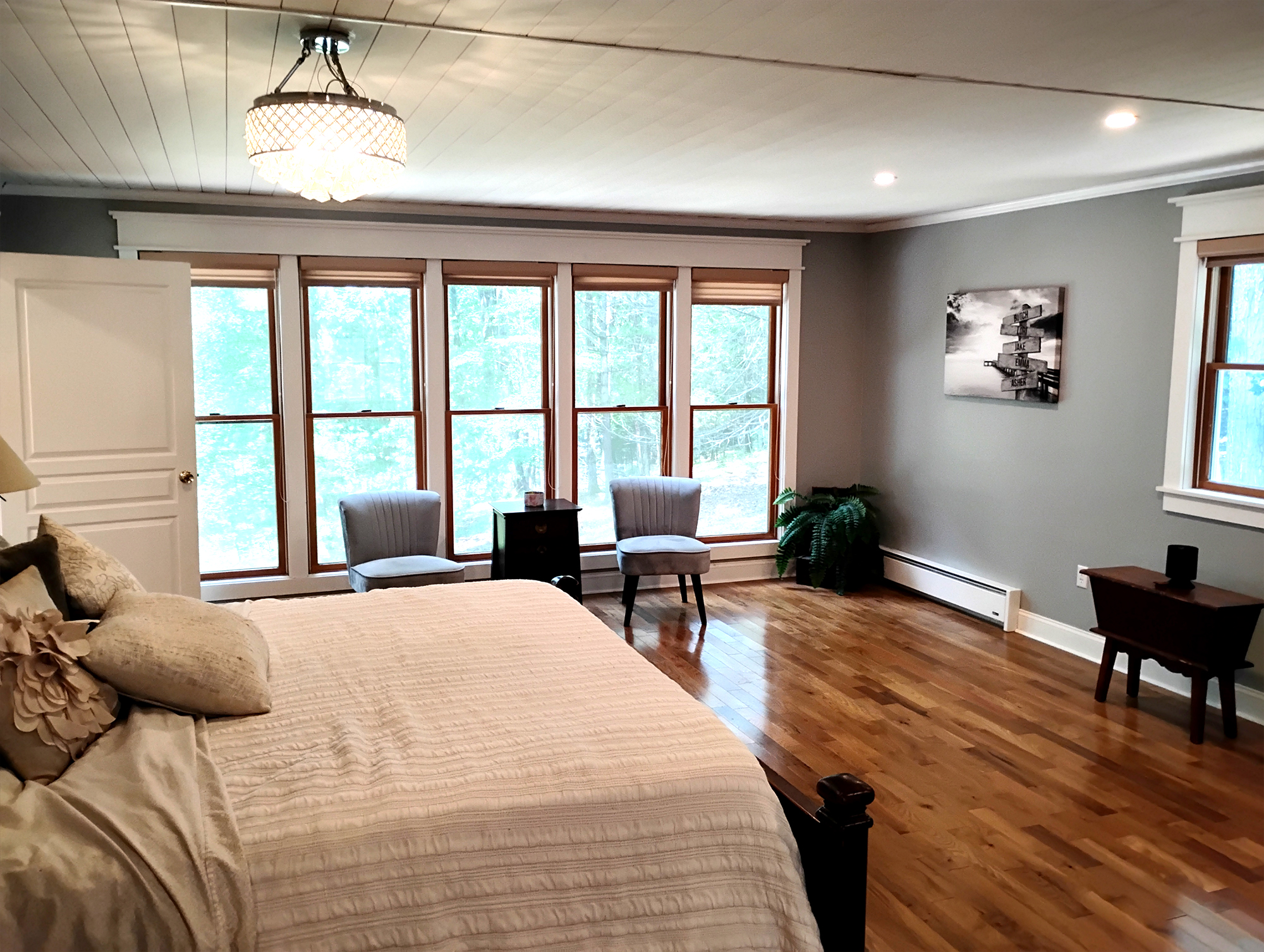
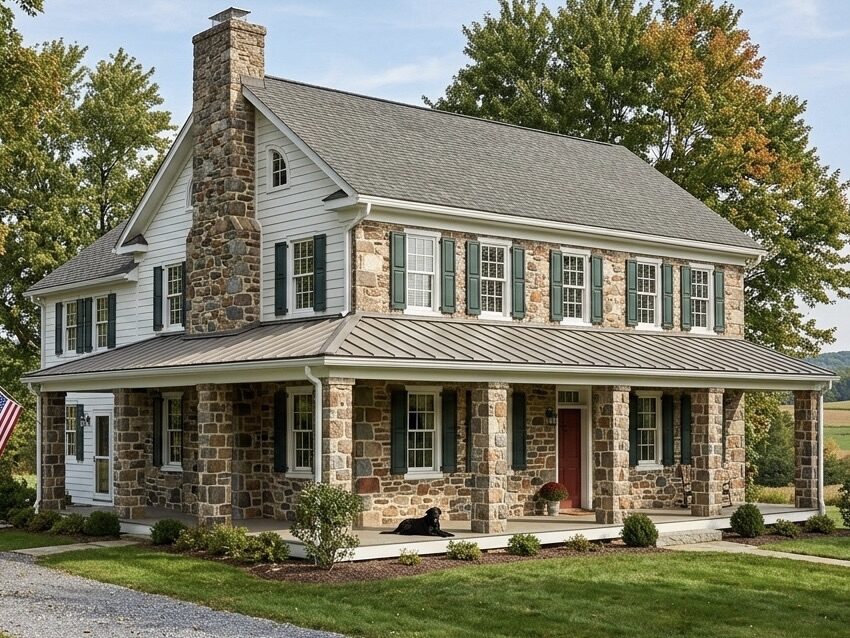
The Spots Homeowners Miss First
Not all warning signs are obvious. Some of the most important ones are easy to overlook unless you’re specifically looking for them.
Here are a few areas worth a closer look:
- Trim transitions – where siding meets corner boards
- Garage door frames – constant exposure, frequent use
- Deck connections – where horizontal and vertical surfaces meet
- Under porch roofs – protected from rain, but prone to humidity buildup
If you’ve ever come back from a walk near Kirby Park on a humid summer evening and noticed your siding still feels slightly damp—that lingering moisture is exactly what accelerates paint breakdown in these zones.
When Caulking Starts Letting You Down
Caulking doesn’t fail loudly—it dries, shrinks, and quietly pulls away.
And once it does, water has a direct path into seams and joints.
What to keep an eye on:
- Fine cracks forming along window edges
- Gaps at vertical trim boards
- Hardened, brittle lines that no longer flex
In older Wilkes-Barre homes, especially those with original wood trim, this is often the tipping point where repainting alone isn’t enough—you’re now dealing with sealing and preservation.
Early vs. Late: The Real Cost Difference
| Condition | Early Repaint | Delayed Repaint |
| Surface Integrity | Intact | Compromised |
| Scope of Work | Prep + paint | Repairs + prep + paint |
| Timeline | Predictable | Expands mid-project |
| Long-Term Protection | Restored early | Interrupted, then rebuilt |
There’s a noticeable shift when a project moves from maintenance to correction. And in this region, that shift tends to happen faster than expected.
A Straight Answer to a Common Question
How often should you repaint a home in Wilkes-Barre, PA?
Most homes in this area need repainting every 5–8 years, depending on exposure, materials, and previous paint quality. Homes with full sun exposure or older wood siding may fall closer to the 5-year range, while shaded properties with newer coatings can stretch longer—but waiting past visible wear usually leads to added repair costs.
The Subtle Interior Clues
Sometimes, the first real warning sign shows up inside.
Not dramatic damage—just small changes:
- Paint near windows bubbling slightly
- Drywall corners showing faint discoloration
- A room that smells a little musty after rain
These aren’t always caused by exterior paint failure—but when paired with exterior wear, they’re worth taking seriously.
A Few Signs That Deserve a Second Look
Instead of a checklist, think of these as moments that should make you pause:
That one wall that always looks worse
If one side of your home consistently fades or wears faster, it’s not random—it’s exposure-driven deterioration.
Trim that won’t hold its color
Repeated fading or peeling on trim often points to deeper moisture or adhesion issues.
Paint that feels “thin”
When surfaces lose that slight fullness or smoothness, protection is already diminishing.
Timing It Right in NEPA
n a place like Wilkes-Barre, repainting isn’t about reacting—it’s about staying ahead of a pattern.
Winter traps moisture. Spring releases it. Summer intensifies wear. Fall gives you a narrow window to reset everything before the cycle starts again.
And if you catch your home in that early stage—where the paint is just beginning to lose its edge—you’re in the best possible position to keep things simple, controlled, and cost-effective.
Wait too long, and the project starts making decisions for you.