
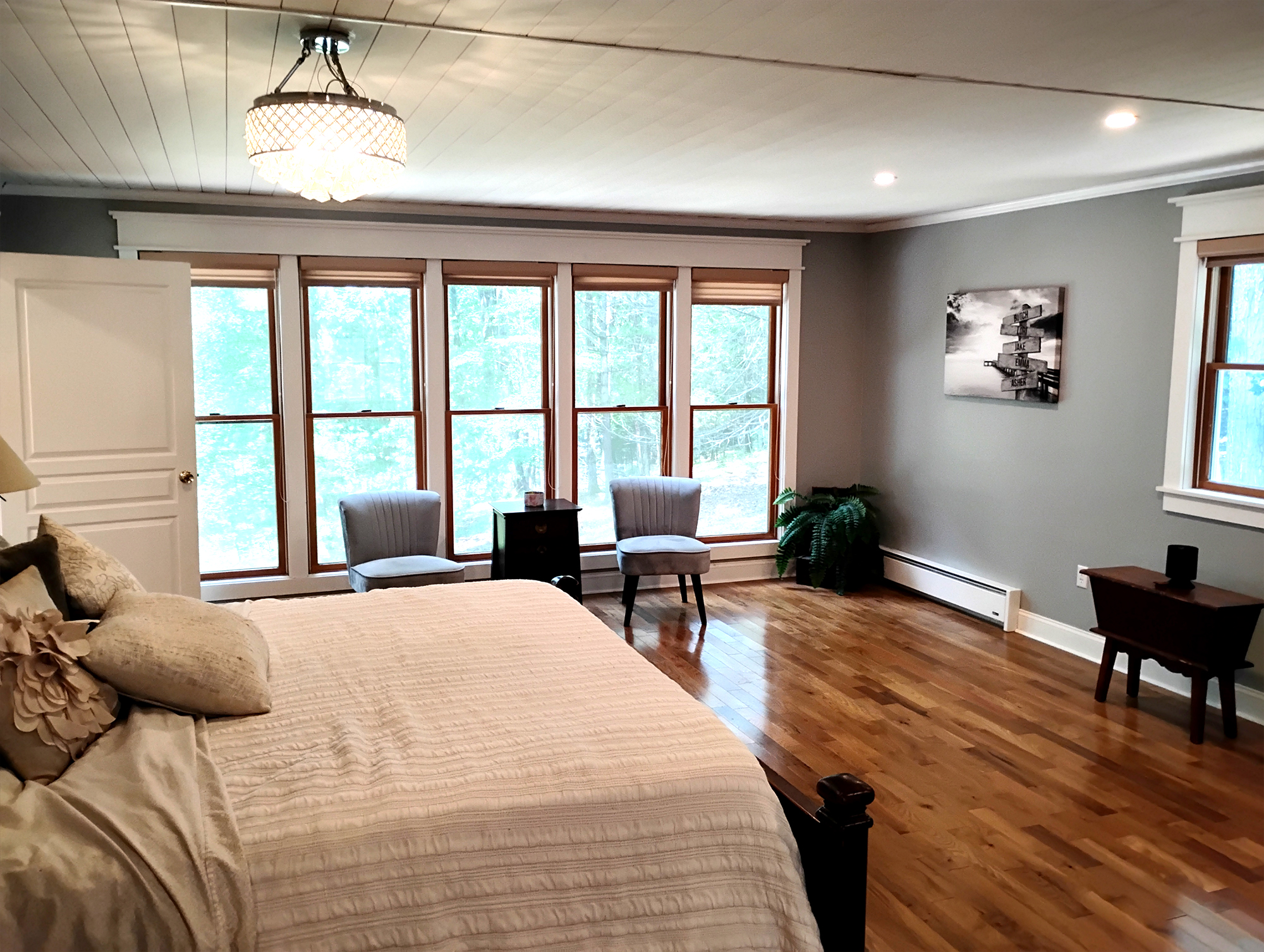
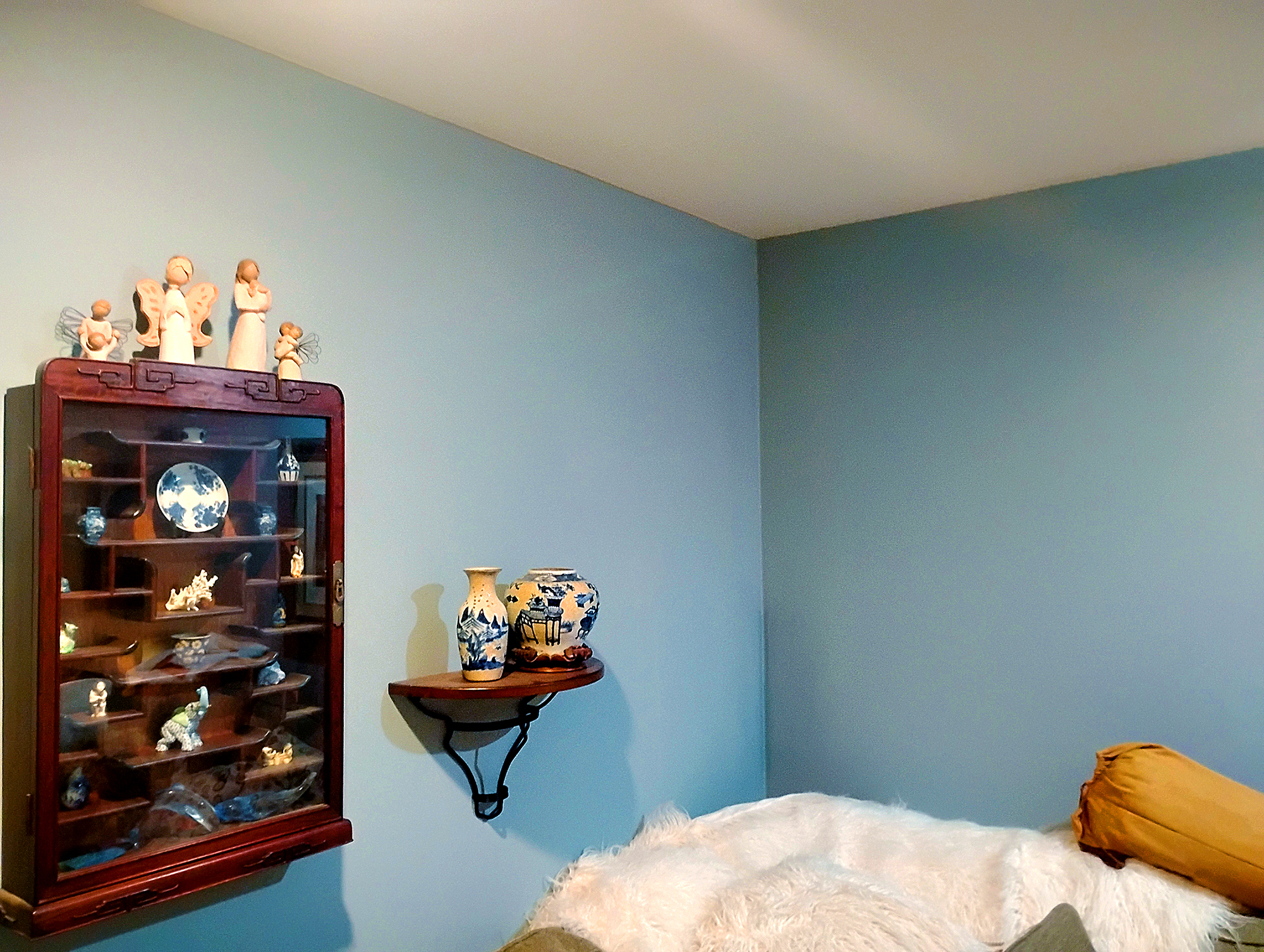
Be Beautiful

Durable Finishes for Lake Ariel Homes

Interior & Exterior Painting Tips, Tricks and Local NEPA Stories

The Right Temperature Changes Everything

Choosing an exterior paint color is about more than picking a shade you happen to like on a color card. The **temperature of a color—warm or cool—can change how your home’s architecture looks, how large it appears, how it relates to the surrounding landscape, and even how the color feels as natural light changes throughout the day.

For homeowners in Wilkes-Barre, Scranton, Dallas, Shavertown, Mountain Top, White Haven, and the Poconos, the surrounding landscape makes this decision particularly interesting. A home tucked into Pennsylvania woods has a very different visual setting from a city property surrounded by sidewalks, neighboring homes, and pavement.

Warm and cool colors can both be beautiful. The better choice depends on the home’s architecture, existing materials, amount of natural light, surrounding landscape, and the overall feeling you want the exterior to create.

Warm Exterior Colors Feel Grounded

Warm exterior colors tend to create a welcoming, grounded appearance.

They can work particularly well with natural materials such as:

  • Stone
  • Brick
  • Wood
  • Natural brown roofing
  • Warm-toned landscaping
  • Cedar elements
  • Earth-toned masonry

This is one reason warm colors can be especially attractive on homes in wooded parts of Pennsylvania.

A warm taupe, creamy white, or muted brown can visually connect the house to the surrounding trees, stone, and natural landscape without making the exterior disappear into it.

For a home in the woods around the Poconos or near Harveys Lake, a warm exterior palette can feel almost native to the setting.

Cool Colors Feel Crisp and Refined

Cool colors tend to create a cleaner, quieter, and more contemporary impression.

Blue-grays, cool whites, muted greens, and slate tones can work beautifully with:

  • Black roofing
  • Gray stone
  • Modern trim
  • Metal accents
  • White architectural details
  • Contemporary landscaping

Cool colors can also give traditional architecture a more updated appearance without changing the home’s structure.

A soft blue-gray on a classic Pennsylvania home, for example, can feel refined without becoming overly modern.

Consider Your Home’s Existing Stone and Brick

This is one of the most important factors homeowners sometimes overlook.

If your home has existing stone, brick, or masonry that won’t be painted, the exterior color needs to work with those permanent materials.

For example, Pennsylvania stone often contains multiple subtle tones. You may see gray, tan, brown, cream, or even muted green undertones.

A warm exterior color can pull out the warmer tones in the stone.

A cool gray can emphasize the cooler tones.

Neither is automatically right or wrong. The question is whether you want the painted surfaces to blend with the masonry or create a deliberate contrast.

How Natural Light Changes Exterior Color

Exterior paint doesn’t exist in a vacuum.

Sunlight changes throughout the day, and the same paint color can look noticeably different depending on when and where you’re viewing it.

A south-facing wall may receive strong sunlight and appear brighter. A north-facing wall can receive cooler, more indirect light and make certain colors appear more blue or gray.

Shaded areas can also change how colors are perceived.

This is particularly important for homes with large trees nearby.

A color that looks warm and creamy on a sunny sample may look considerably cooler once applied to a shaded wall.

That’s why small paint samples are helpful—but large samples are better.

Look at the color at different times of day and, ideally, under different weather conditions.

Warm Whites vs. Cool Whites

White sounds simple until you start comparing paint colors.

There are countless variations, and undertones make a major difference.

Warm whites

Warm whites typically contain subtle yellow, cream, beige, or red undertones.

They can create:

  • A softer appearance
  • A welcoming feel
  • Better harmony with warm stone and wood
  • A traditional aesthetic

Cool whites

Cool whites may contain blue, gray, or green undertones.

They can create:

  • A crisp appearance
  • Stronger contrast
  • A cleaner, more contemporary feeling
  • A sharper relationship with dark trim

A bright cool white can look beautiful on one home and stark on another.

If your property has warm stone, reddish brick, or natural wood, a warm white may coordinate more naturally.

When Should You Consider Repainting?

An inspection can also help determine whether maintenance is enough or whether the exterior coating is approaching the end of its service life.

Signs that repainting may be appropriate include:

  • Widespread peeling
  • Extensive chalking
  • Multiple areas of exposed substrate
  • Persistent cracking
  • Significant fading
  • Repeated spot repairs
  • Paint failure across multiple elevations

A few isolated problem areas don’t necessarily mean the entire house needs to be repainted.

Conversely, widespread coating failure isn’t likely to be solved by repeatedly touching up individual spots.

The overall condition matters.

Color Temperature and Curb Appeal

Warm and cool colors can both improve curb appeal, but they create different impressions.

Warm colors often communicate:

Comfort → Tradition → Natural warmth

Cool colors often communicate:

Clarity → Refinement → Modern simplicity

The architectural style should influence which direction you take.

A large traditional Colonial may look wonderful in a warm cream with darker shutters. A modern home may suit a cool charcoal-gray with crisp trim.

But there are no absolute rules.

A traditional home can look stunning in a cool blue-gray, and a contemporary house can feel beautiful in a warm taupe.

14 + 3 =

The Best Color Is the One That Belongs There

Warm versus cool isn’t really a competition.

It’s a question of relationship.

The best exterior color is one that works with your roof, stone, trim, architecture, landscaping, and the particular light your home receives. That’s especially true in NEPA, where a home in the woods around White Haven or the Poconos can have a completely different visual environment from a city property in Wilkes-Barre.

Warm colors can make a home feel grounded, welcoming, and connected to the landscape.

Cool colors can make it feel crisp, composed, and beautifully defined.

And when they’re thoughtfully combined, the two can create something even more interesting.

Before choosing a color, step back from the paint chip and look at the whole house. The right shade shouldn’t simply look beautiful in the store—it should look as though it belongs on your home.

8 + 9 =

In Honesdale, PA, exterior painting isn’t something you rush into based on appearance alone. The local environment—marked by seasonal humidity, wooded surroundings, and temperature swings—plays a major role in how paint performs over time.

Homes throughout Wayne County often sit among trees, near open land, or along quiet residential stretches where shade and moisture linger longer than in more urban settings. That means surfaces don’t always dry quickly, and coatings are constantly interacting with environmental factors that can affect adhesion and longevity.

Getting the exterior of your house painted here is less about picking a color and more about understanding when the surface is truly ready—and how to work with the conditions that are unique to this area.
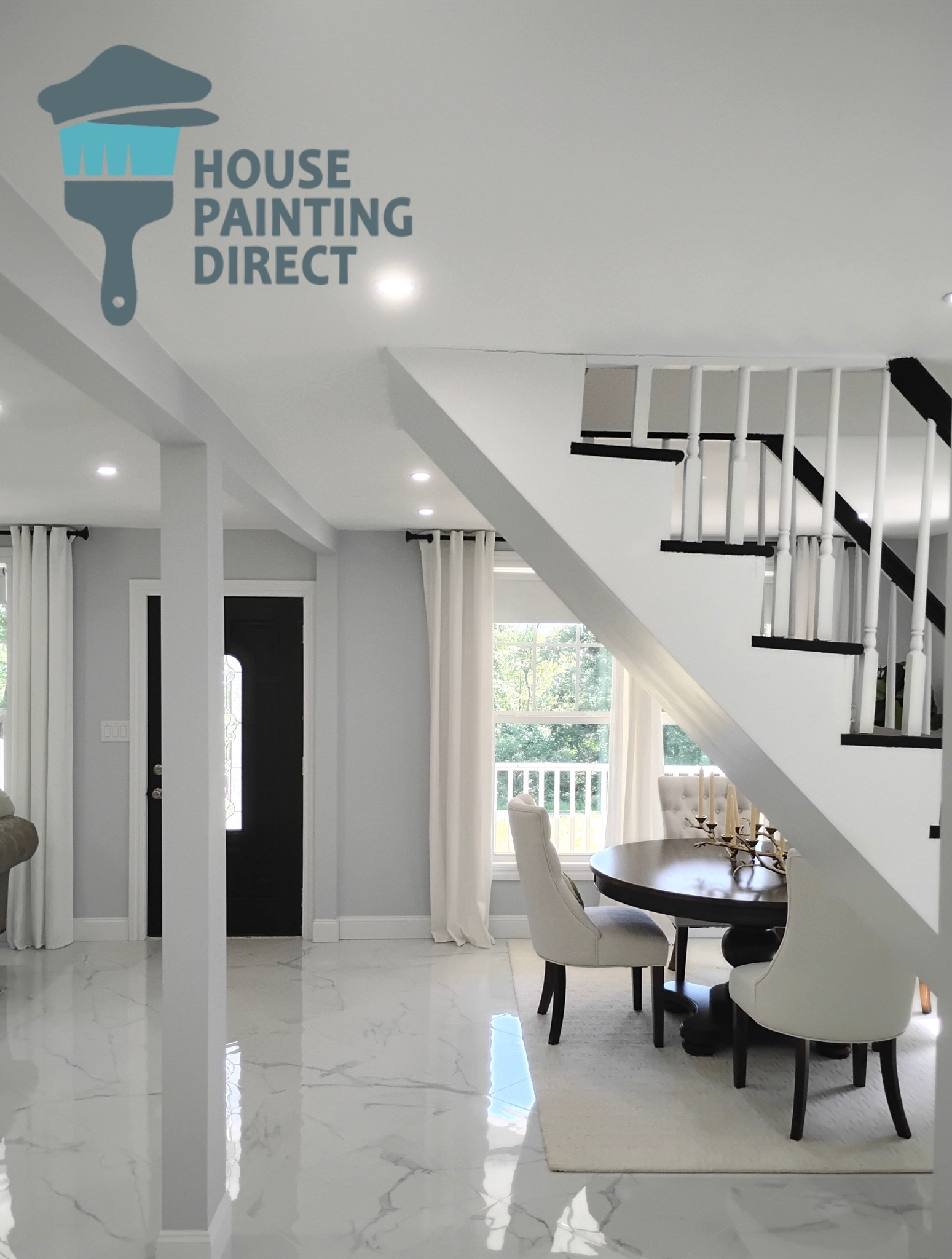
interior painting stairs railing ceiling trim windows white

What Homes in Lake Ariel Are Up Against

Instead of treating painting as purely aesthetic, local conditions make it a functional decision as well. Homes here tend to face a combination of environmental stressors that influence how paint ages.

  • Persistent moisture from humidity and nearby water sources
  • Extended shade from mature trees and wooded lots
  • Seasonal temperature swings that cause expansion and contraction
  • Organic buildup such as mildew in less sun-exposed areas
  • Varying exposure depending on orientation and elevation

Even within a short drive toward Scranton or deeper into the back mountain regions, the character of homes and their exposure can shift noticeably. That’s why local familiarity plays a role in how a project is evaluated before any work begins.

Exterior Painting in a Lake Ariel Environment

Exterior surfaces in Lake Ariel need more than just a fresh coat—they need a system that can handle the region’s moisture patterns and seasonal variability.

Common conditions that affect exterior performance:

  • North-facing walls drying slower due to limited sunlight
  • Trim and soffits collecting moisture longer after rainfall
  • Siding exposed to tree cover accumulating organic debris
  • Homes near water retaining higher ambient humidity

Properties closer to natural landmarks like Promised Land State Park often experience similar patterns, where shade and moisture combine to influence surface behavior.
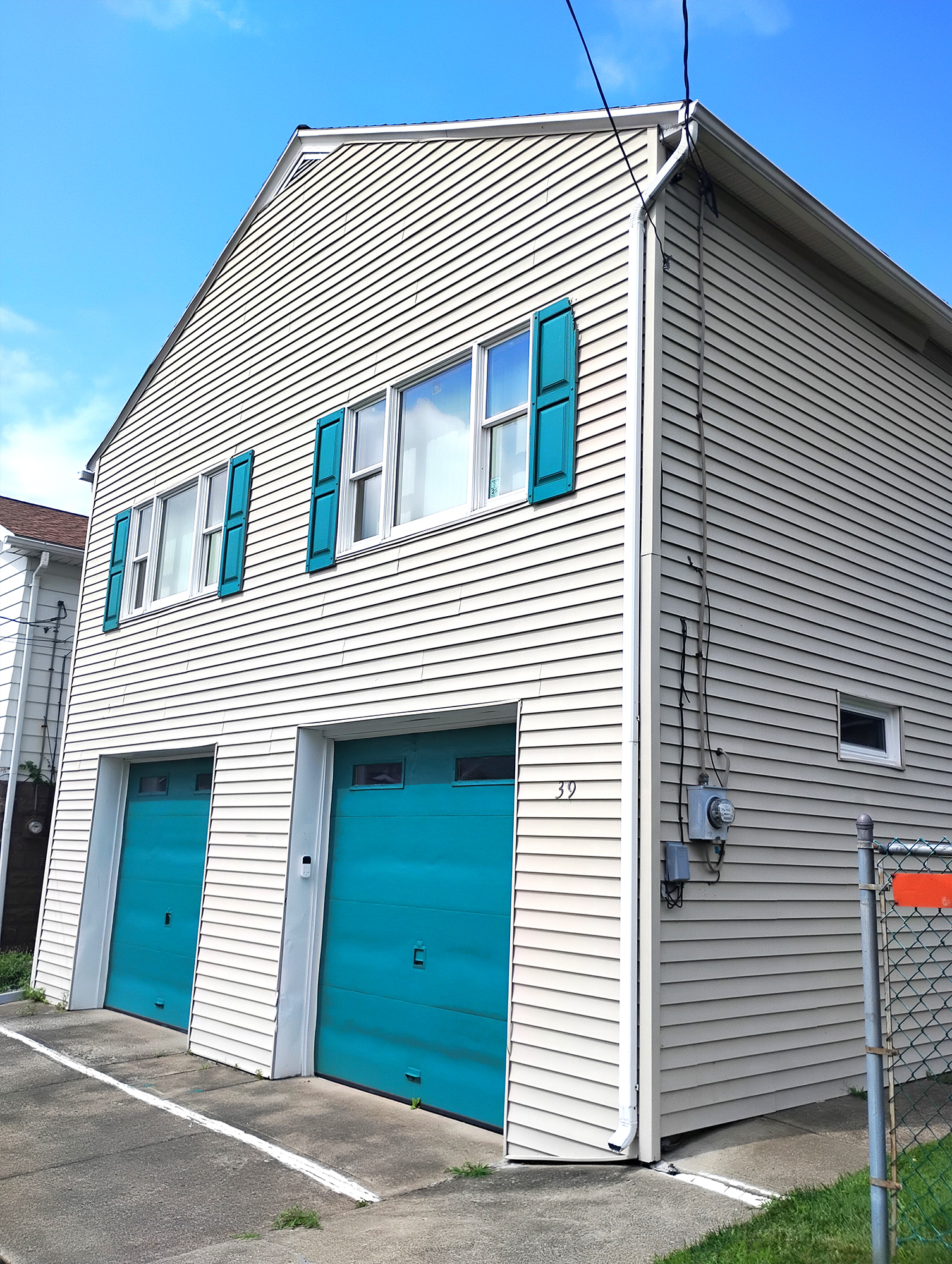
exterior garage painting vinyl siding and garage doors and shudders

When a home is typically ready for repainting

Rather than relying on a strict timeline, visual and tactile indicators often signal when a repaint is appropriate:

  • Surfaces appear dull or uneven in color
  • Visible peeling, cracking, or flaking begins to show
  • Chalky residue transfers when touched
  • Areas of bare substrate become exposed

In Lake Ariel, these signs can appear earlier on homes with heavier shade exposure or those located closer to wooded areas.

Interior Painting and How It Fits Local Living

Interior spaces in Lake Ariel homes often reflect a lifestyle that blends year-round living with seasonal use. That creates subtle but important differences in how surfaces age.

Rooms may experience:

  • Humidity fluctuations affecting walls and trim
  • Sun exposure in certain rooms while others remain dim
  • Wear patterns in hallways, kitchens, and shared spaces
  • Shifts in atmosphere when homes are reopened after periods of vacancy

Instead of focusing solely on color changes, interior painting in this region often centers on restoring consistency, brightness, and cohesion across the home.

A well-finished interior becomes especially noticeable after time spent outdoors—whether returning from errands in Scranton or a quiet afternoon near the lake, the interior environment should feel stable, clean, and comfortable.

Surface Preparation and Why It Matters More Here

Preparation is not just a step—it’s the foundation of the entire system. In environments like Lake Ariel, where moisture and organic growth are more common, surface condition directly influences how coatings adhere and perform.

Technical Perspective on Adhesion

Paint bonds to a surface through a combination of mechanical adhesion and chemical interaction. For that bond to form properly, the substrate must be free of contaminants such as dust, oxidation, mildew, and residual moisture. Even microscopic debris can interfere with how evenly a coating spreads and cures.

In practice, this means that properly cleaned and stabilized surfaces allow primers and finishes to create a continuous film, which improves durability and reduces early failure such as peeling or blistering.

This is especially important in shaded or moisture-prone areas of homes around Lake Ariel, where surfaces may not dry as quickly or evenly as in more exposed environments

A Local Question Homeowners Often Ask

“Is it worth repainting a house in Lake Ariel if the current paint still looks okay?”

In many cases, yes—because appearance alone doesn’t always reflect the condition of the protective layer beneath. In Lake Ariel’s climate, paint can begin losing its protective qualities due to moisture exposure, UV breakdown, and seasonal stress before obvious visual failure appears. Repainting at the right time helps maintain the integrity of the surface and can prevent more extensive repairs later.

Living in a Home That Feels Maintained, Not Just Painted

Homes in Lake Ariel are often tied closely to their surroundings—quiet roads, wooded lots, and proximity to places like Lake Wallenpaupack or nearby trail systems. That setting creates a lifestyle where the condition of a home contributes directly to how it feels to live there.

After time spent outdoors, whether returning from a walk near the water or driving back through winding back mountain roads, the condition of the home becomes part of the experience. A well-executed paint finish supports that sense of comfort, consistency, and care without drawing attention to itself.

In a region where environment and structure are closely connected, thoughtful painting is less about change—and more about maintaining balance between the home and its surroundings.

3 + 11 =