
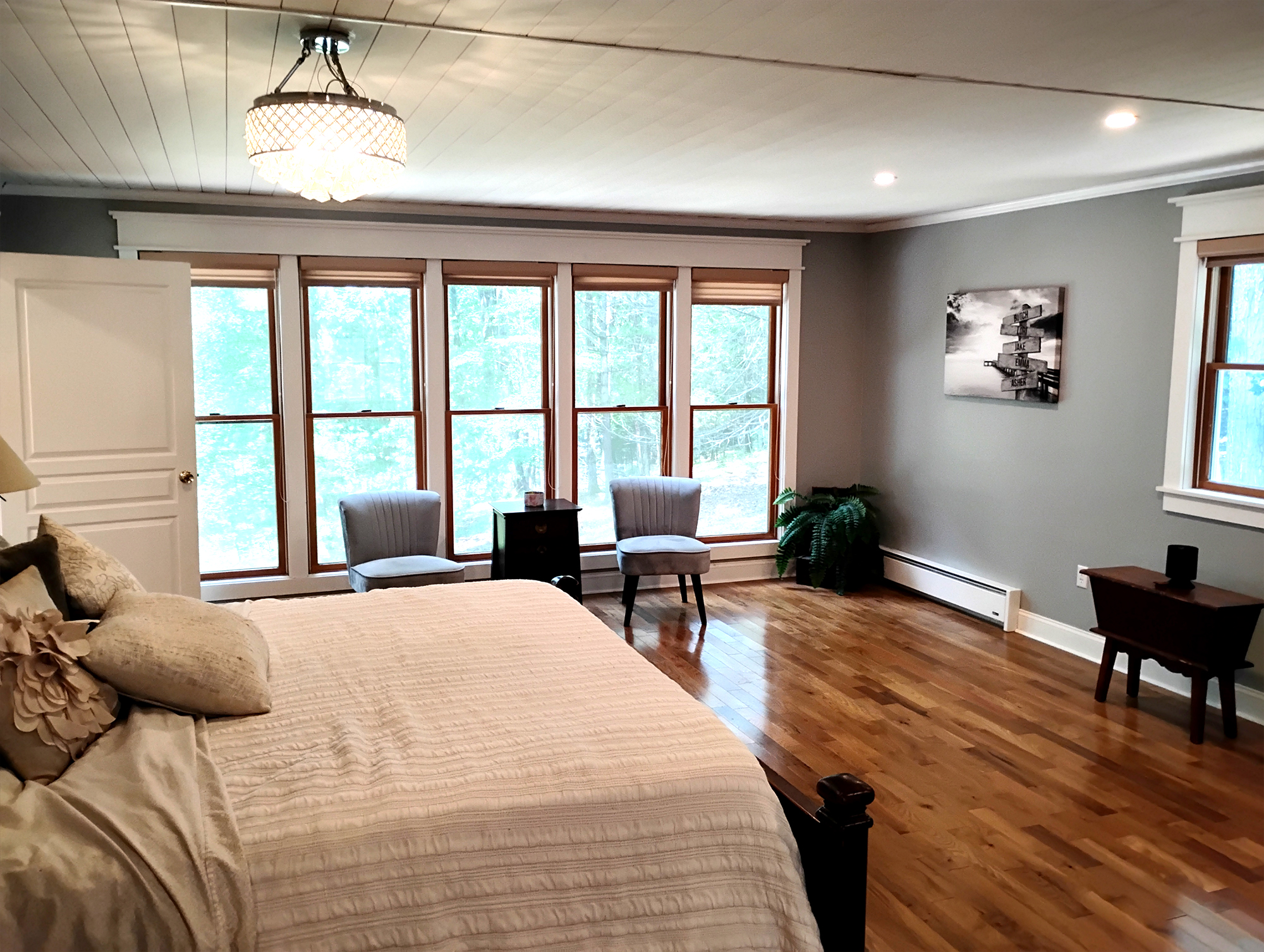
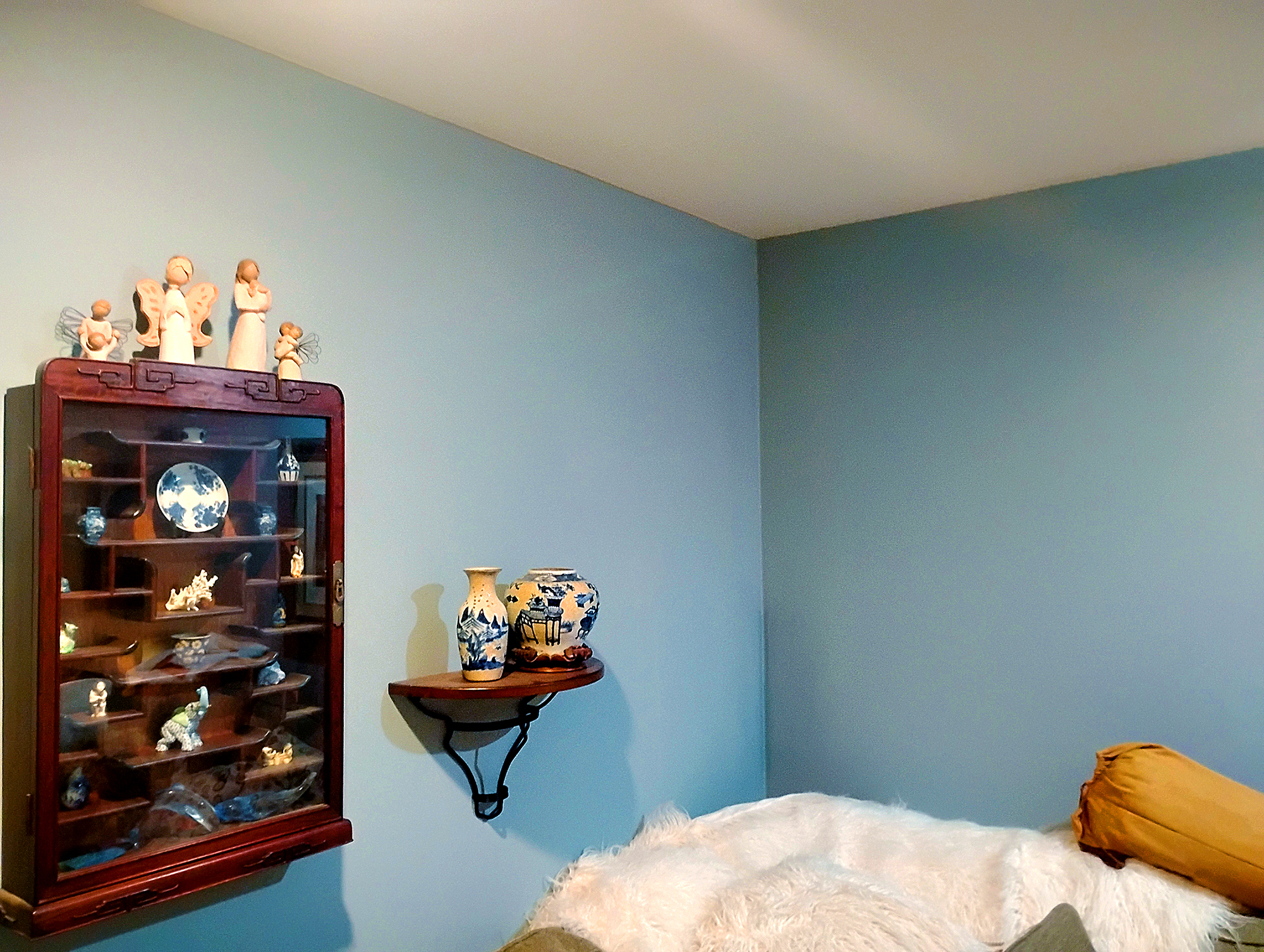
The Warning Signs Are Usually There
A fresh paint job should make a home feel renewed. Whether it’s a charming Victorian in Scranton, a lakefront property near Harveys Lake, a family home in Dallas, or a cabin tucked into the woods of the Poconos, quality paint work has the power to elevate both appearance and protection.
The challenge is that not all paint jobs are created equal.
Some problems are obvious immediately. Others remain hidden for weeks or even months before revealing themselves through peeling, cracking, fading, or moisture damage. By the time these issues become impossible to ignore, repairs can be significantly more expensive than if they had been caught early.
The good news is that a bad paint job often leaves clues. Knowing what to look for can help homeowners evaluate recent work, assess a home’s condition before purchase, or determine whether an aging paint system is beginning to fail.
A Quality Paint Job Is About More Than Color
When most people evaluate paint, they focus on the color.
Professionals tend to focus on something else entirely: performance.
A successful paint project should provide:
- Consistent coverage
- Strong adhesion
- Clean lines and transitions
- Durable protection
- Smooth surface appearance
- Resistance to weather and wear
If these elements are missing, the paint may be masking deeper issues rather than solving them.
Paint Drips, Runs, and Sagging
Gravity rarely lies.
When paint is applied too heavily, it often creates drips, runs, or sagging areas that become visible once the coating begins to dry.
Common locations include:
- Door frames
- Trim boards
- Window casings
- Corners
- Exterior siding joints
While minor imperfections occasionally occur, widespread drips typically indicate poor application practices.
Peeling Paint Soon After Application
Fresh paint should not begin peeling shortly after it is applied.
When peeling occurs within months—or sometimes even weeks—it often points to an adhesion problem.
Possible causes include:
|
Cause |
Result |
|
Dirty surfaces |
Paint cannot bond properly |
|
Moisture issues |
Coating separates from substrate |
|
Missing primer |
Weak adhesion |
|
Improper paint selection |
Premature failure |
|
Inadequate preparation |
Surface instability |
Peeling is rarely the fault of the paint alone. Most often, it reflects conditions beneath the finish.
Cracking and Flaking Are Signs of Stress
Paint should move naturally with the surfaces beneath it.
When paint begins cracking, splitting, or flaking, it may indicate:
- Excessive paint buildup
- Aging coatings beneath new paint
- Environmental stress
- Improper curing
- Structural movement
In Northeastern Pennsylvania, freeze-thaw cycles can accelerate these issues, particularly on exterior wood surfaces exposed to harsh weather.
Cracking is often an early warning sign that larger failures are developing.
Bubbling and Blistering Should Never Be Ignored
Paint bubbles are more than a cosmetic issue.
They usually indicate trapped moisture, air, or adhesion failure beneath the surface.
Exterior bubbling may develop because of:
- Moisture intrusion
- Painting in direct sunlight
- Excessive humidity
- Surface contamination
Interior bubbling often points toward moisture-related concerns that deserve investigation.
If bubbles appear shortly after painting, it’s worth identifying the root cause rather than simply repainting over them.
Watch for Premature Fading
Exterior paint naturally fades over many years.
Rapid fading, however, is a different story.
Factors that may contribute include:
- Low-quality paint products
- Improper surface preparation
- Excessive UV exposure
- Incorrect product selection
Homes in open areas around Mountain Top, White Haven, and portions of the Poconos often experience stronger sun exposure than heavily shaded properties, making paint selection particularly important.
A quality paint system should maintain its appearance for years—not just a single season.
Stains Bleeding Through Fresh Paint
A freshly painted wall should look fresh.
When old stains begin reappearing through the finish, it often means the underlying surface wasn’t properly sealed.
Common offenders include:
- Water stains
- Smoke damage
- Wood tannins
- Rust marks
- Nicotine residue
Without appropriate primers and stain-blocking products, these discolorations can migrate through new paint and return surprisingly quickly.
Exterior Paint Should Protect, Not Just Decorate
Many homeowners think of exterior paint primarily as a design feature.
In reality, exterior coatings serve as one of a home’s first lines of defense against weather.
A failing exterior paint system can expose materials to:
- Moisture intrusion
- UV degradation
- Wood rot
- Mold growth
- Premature siding deterioration
This is particularly important for homes throughout Luzerne and Lackawanna Counties, where seasonal weather extremes place continuous stress on exterior surfaces.
The appearance of paint matters, but its protective function matters even more.
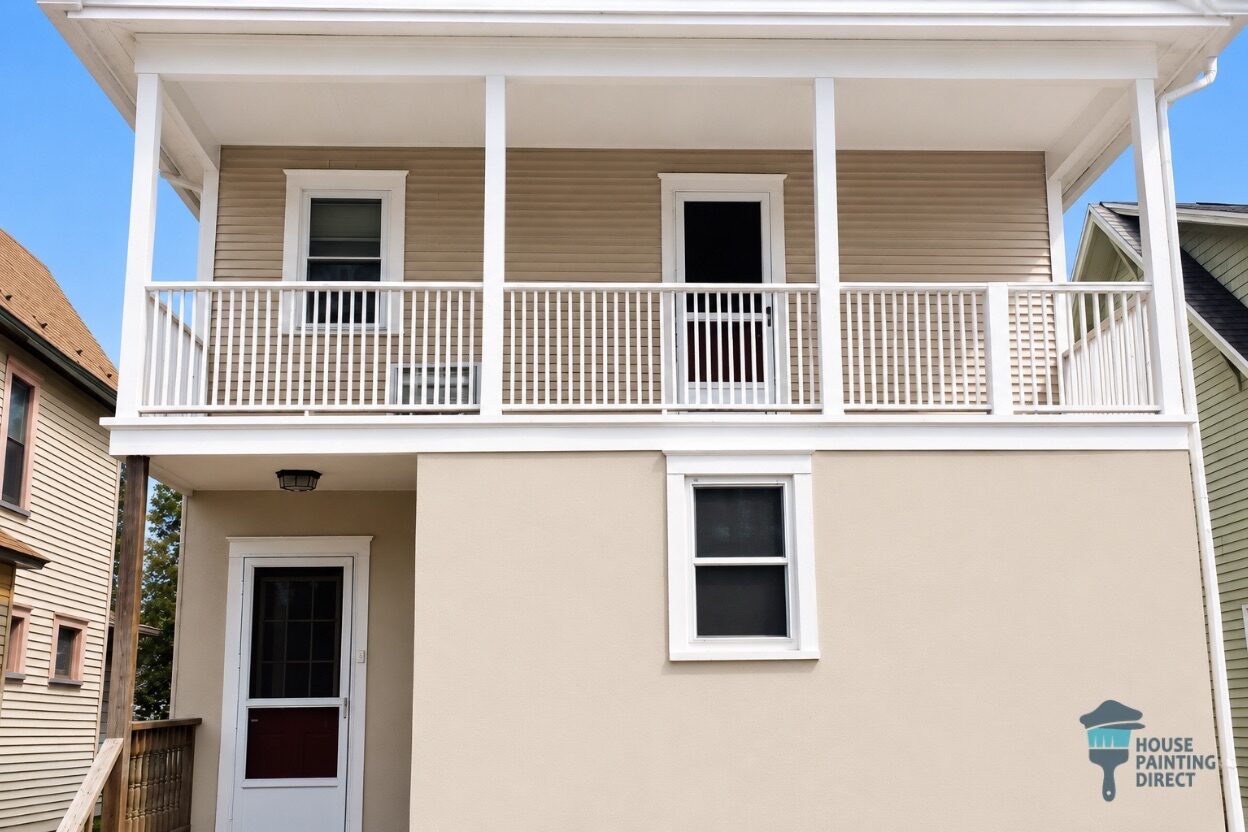
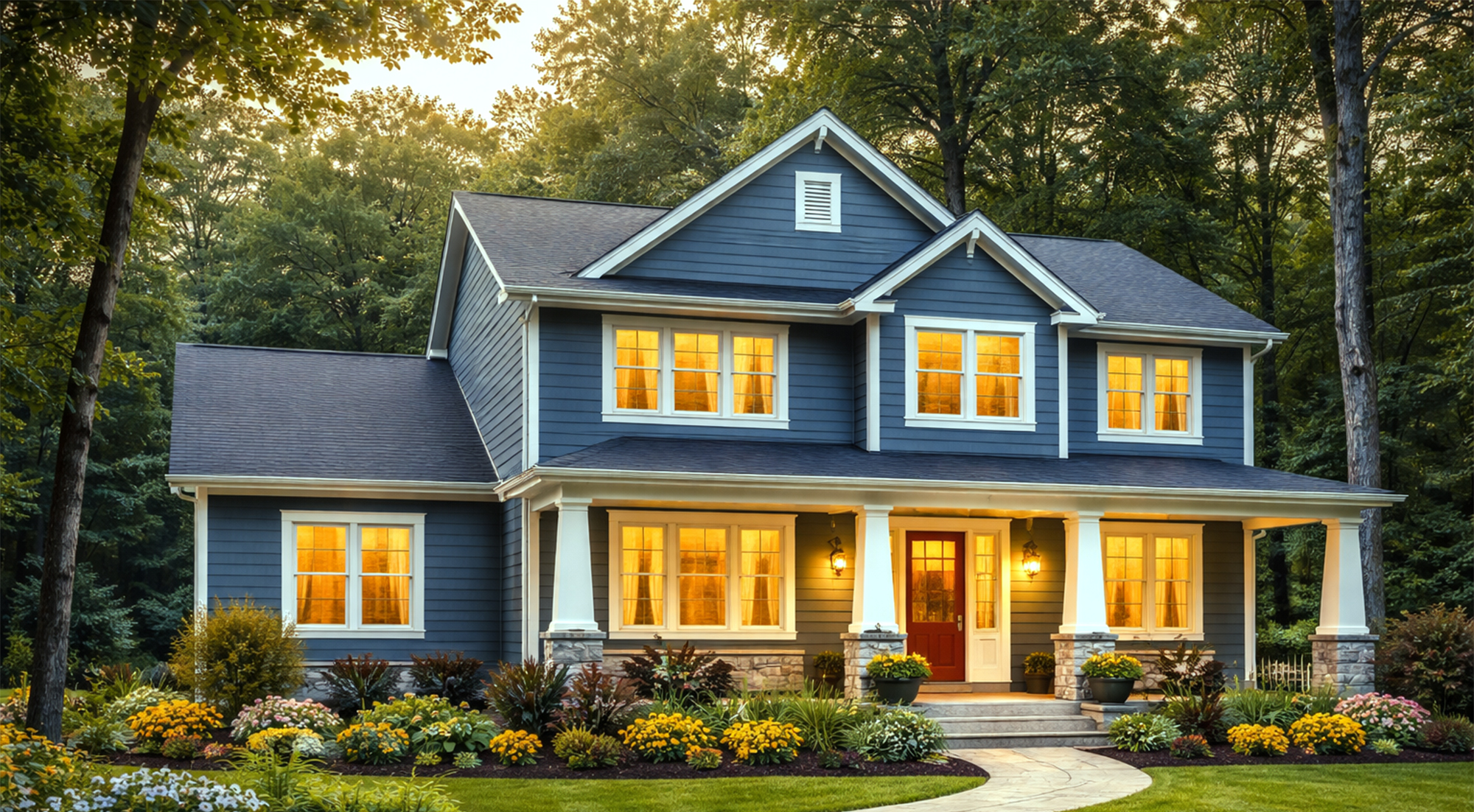
The Best Paint Jobs Age Gracefully
The true test of a paint job isn’t how it looks on day one.
It’s how it performs after a year of sun, rain, snow, humidity, temperature swings, daily use, and routine cleaning.
A high-quality paint system should continue protecting and enhancing a home long after the brushes have been cleaned and the ladders put away.
For homeowners across Wilkes-Barre, Scranton, Dallas, Clarks Summit, Shavertown, Harveys Lake, Mountain Top, White Haven, and the Pocono region, learning to recognize the signs of poor workmanship can help prevent costly repairs and protect the long-term beauty of their property.
The sooner potential problems are identified, the easier—and often less expensive—they are to address. A careful eye today can save significant frustration tomorrow.
Where Things Typically Go Wrong (Around Here)
Instead of a generic list, it’s easier to think about this in terms of how homes in Wilkes-Barre actually behave through the seasons.
Moisture That Doesn’t Fully Dry
After a damp fall, a lot of homes hold onto more moisture than expected—especially shaded sides or areas blocked by trees.
By the time winter hits:
- That moisture is still sitting in the substrate
- Freezing temperatures expand it
- Paint begins to lift from underneath
Homes closer to the Susquehanna River or in tighter neighborhoods with less sun exposure tend to deal with this more consistently.