Be Beautiful

Painting a Rural Home in White Haven, PA: Challenges and Tips

Interior & Exterior Painting Tips, Tricks and Local NEPA Stories

The Right Temperature Changes Everything

Choosing an exterior paint color is about more than picking a shade you happen to like on a color card. The **temperature of a color—warm or cool—can change how your home’s architecture looks, how large it appears, how it relates to the surrounding landscape, and even how the color feels as natural light changes throughout the day.

For homeowners in Wilkes-Barre, Scranton, Dallas, Shavertown, Mountain Top, White Haven, and the Poconos, the surrounding landscape makes this decision particularly interesting. A home tucked into Pennsylvania woods has a very different visual setting from a city property surrounded by sidewalks, neighboring homes, and pavement.

Warm and cool colors can both be beautiful. The better choice depends on the home’s architecture, existing materials, amount of natural light, surrounding landscape, and the overall feeling you want the exterior to create.

Warm Exterior Colors Feel Grounded

Warm exterior colors tend to create a welcoming, grounded appearance.

They can work particularly well with natural materials such as:

  • Stone
  • Brick
  • Wood
  • Natural brown roofing
  • Warm-toned landscaping
  • Cedar elements
  • Earth-toned masonry

This is one reason warm colors can be especially attractive on homes in wooded parts of Pennsylvania.

A warm taupe, creamy white, or muted brown can visually connect the house to the surrounding trees, stone, and natural landscape without making the exterior disappear into it.

For a home in the woods around the Poconos or near Harveys Lake, a warm exterior palette can feel almost native to the setting.

Cool Colors Feel Crisp and Refined

Cool colors tend to create a cleaner, quieter, and more contemporary impression.

Blue-grays, cool whites, muted greens, and slate tones can work beautifully with:

  • Black roofing
  • Gray stone
  • Modern trim
  • Metal accents
  • White architectural details
  • Contemporary landscaping

Cool colors can also give traditional architecture a more updated appearance without changing the home’s structure.

A soft blue-gray on a classic Pennsylvania home, for example, can feel refined without becoming overly modern.

Consider Your Home’s Existing Stone and Brick

This is one of the most important factors homeowners sometimes overlook.

If your home has existing stone, brick, or masonry that won’t be painted, the exterior color needs to work with those permanent materials.

For example, Pennsylvania stone often contains multiple subtle tones. You may see gray, tan, brown, cream, or even muted green undertones.

A warm exterior color can pull out the warmer tones in the stone.

A cool gray can emphasize the cooler tones.

Neither is automatically right or wrong. The question is whether you want the painted surfaces to blend with the masonry or create a deliberate contrast.

How Natural Light Changes Exterior Color

Exterior paint doesn’t exist in a vacuum.

Sunlight changes throughout the day, and the same paint color can look noticeably different depending on when and where you’re viewing it.

A south-facing wall may receive strong sunlight and appear brighter. A north-facing wall can receive cooler, more indirect light and make certain colors appear more blue or gray.

Shaded areas can also change how colors are perceived.

This is particularly important for homes with large trees nearby.

A color that looks warm and creamy on a sunny sample may look considerably cooler once applied to a shaded wall.

That’s why small paint samples are helpful—but large samples are better.

Look at the color at different times of day and, ideally, under different weather conditions.

Warm Whites vs. Cool Whites

White sounds simple until you start comparing paint colors.

There are countless variations, and undertones make a major difference.

Warm whites

Warm whites typically contain subtle yellow, cream, beige, or red undertones.

They can create:

  • A softer appearance
  • A welcoming feel
  • Better harmony with warm stone and wood
  • A traditional aesthetic

Cool whites

Cool whites may contain blue, gray, or green undertones.

They can create:

  • A crisp appearance
  • Stronger contrast
  • A cleaner, more contemporary feeling
  • A sharper relationship with dark trim

A bright cool white can look beautiful on one home and stark on another.

If your property has warm stone, reddish brick, or natural wood, a warm white may coordinate more naturally.

When Should You Consider Repainting?

An inspection can also help determine whether maintenance is enough or whether the exterior coating is approaching the end of its service life.

Signs that repainting may be appropriate include:

  • Widespread peeling
  • Extensive chalking
  • Multiple areas of exposed substrate
  • Persistent cracking
  • Significant fading
  • Repeated spot repairs
  • Paint failure across multiple elevations

A few isolated problem areas don’t necessarily mean the entire house needs to be repainted.

Conversely, widespread coating failure isn’t likely to be solved by repeatedly touching up individual spots.

The overall condition matters.

Color Temperature and Curb Appeal

Warm and cool colors can both improve curb appeal, but they create different impressions.

Warm colors often communicate:

Comfort → Tradition → Natural warmth

Cool colors often communicate:

Clarity → Refinement → Modern simplicity

The architectural style should influence which direction you take.

A large traditional Colonial may look wonderful in a warm cream with darker shutters. A modern home may suit a cool charcoal-gray with crisp trim.

But there are no absolute rules.

A traditional home can look stunning in a cool blue-gray, and a contemporary house can feel beautiful in a warm taupe.

3 + 1 =

The Best Color Is the One That Belongs There

Warm versus cool isn’t really a competition.

It’s a question of relationship.

The best exterior color is one that works with your roof, stone, trim, architecture, landscaping, and the particular light your home receives. That’s especially true in NEPA, where a home in the woods around White Haven or the Poconos can have a completely different visual environment from a city property in Wilkes-Barre.

Warm colors can make a home feel grounded, welcoming, and connected to the landscape.

Cool colors can make it feel crisp, composed, and beautifully defined.

And when they’re thoughtfully combined, the two can create something even more interesting.

Before choosing a color, step back from the paint chip and look at the whole house. The right shade shouldn’t simply look beautiful in the store—it should look as though it belongs on your home.

12 + 10 =

White Haven sits at a crossroads of forests, mountains, and river valleys. Homes here don’t just sit on suburban streets—they sit in the woods, along winding roads, and on quiet properties where the tree line is often closer than the neighbor’s driveway.

Drive down Main Street, turn off toward Berwick Street, or head a few minutes toward PA-940, and you’ll see the pattern. Older farmhouses, modest mountain homes, cabins tucked along wooded lots, and properties with siding that faces long stretches of shade.

It’s beautiful.

But it also means that painting a house in White Haven is a little different than painting a house in a city neighborhood.

Exterior paint here has to deal with mountain moisture, pine pollen, and long winter cycles that quietly test every surface year after year.
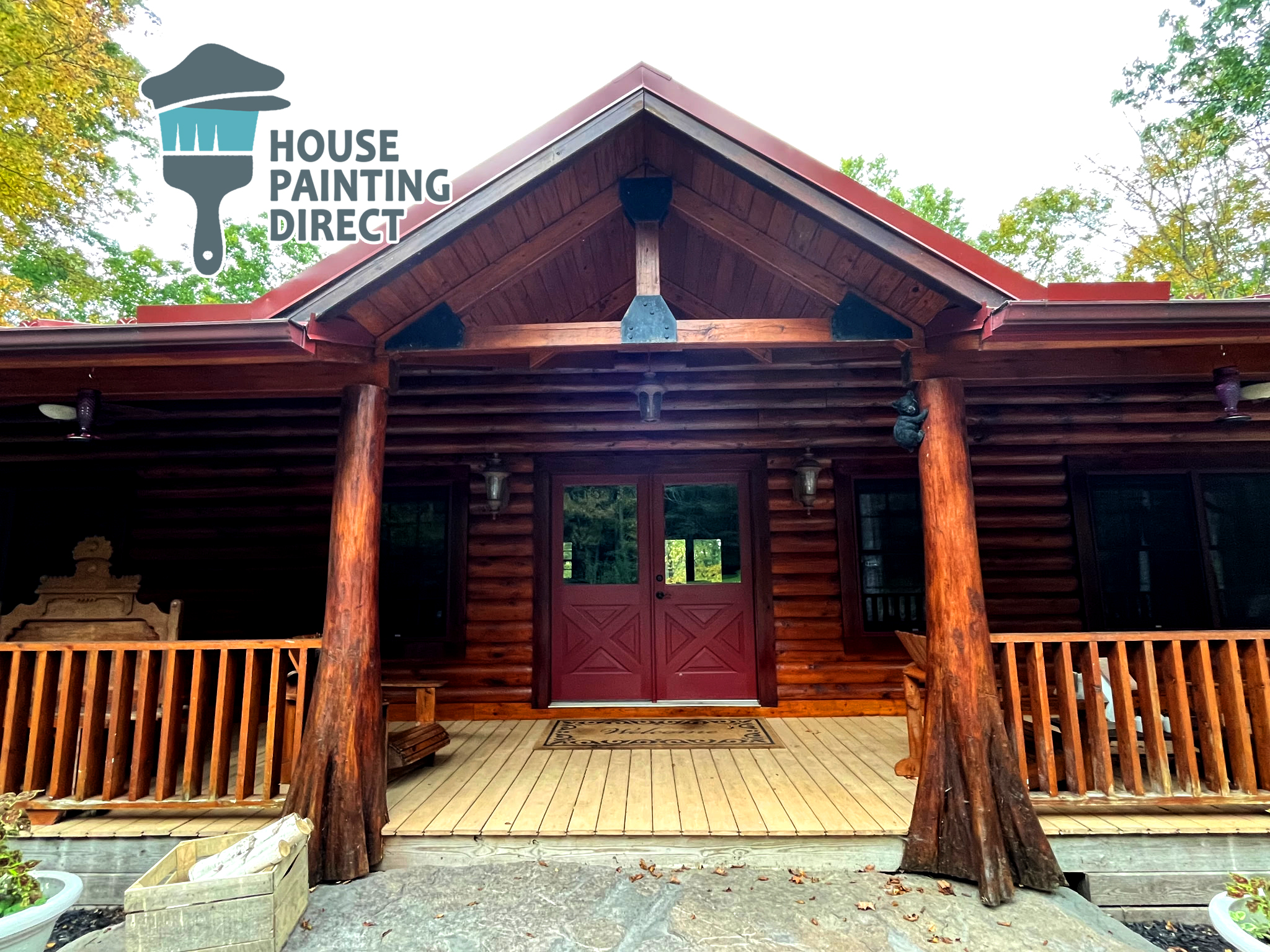
log cabin stain full log residential house painting poconos forest home stain wood stain

7 + 12 =

The Woodland Factor

A home surrounded by trees behaves differently than one sitting in a wide open development.

In many White Haven neighborhoods—especially properties that stretch toward Hickory Run State Park or the wooded areas near the Lehigh Gorge corridor—the siding may only receive a few hours of direct sunlight each day.

That changes how paint ages.

Instead of sun fading being the biggest concern, rural homes often deal with:

  • Lingering moisture on shaded walls
  • Algae or mildew buildup on north-facing siding
  • Pine pollen accumulating each spring
  • Organic debris collecting along trim lines

Over time, these small environmental pressures gradually weaken paint adhesion.

A finish that might last ten years in a dry suburban environment could start showing wear sooner when it lives under a forest canopy.
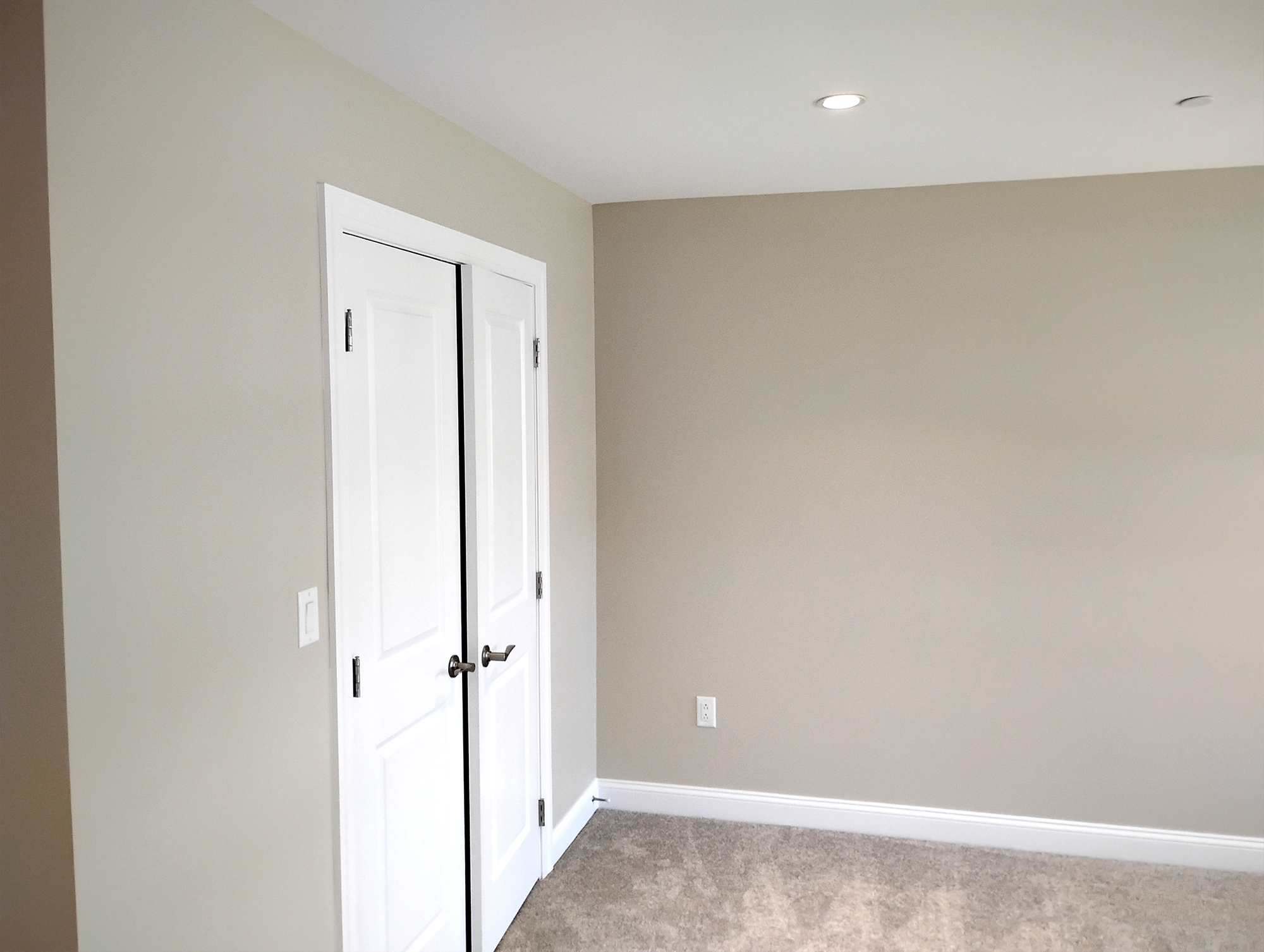
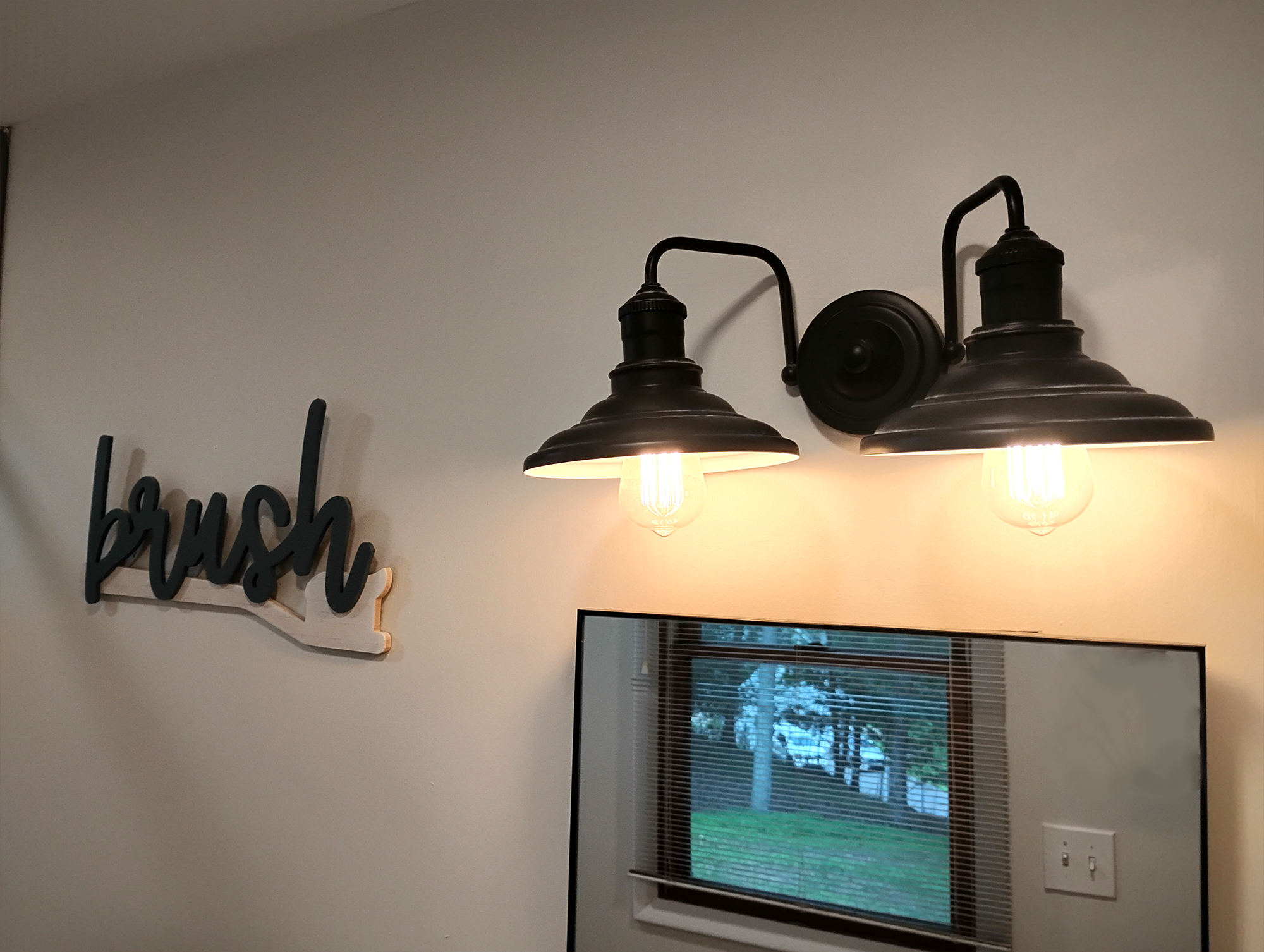
interior painting stairs railing ceiling trim windows white

15 + 9 =

Not Every Wall Ages the Same

One thing that surprises many homeowners is how uneven paint wear can be on rural houses.

The front of the home might look nearly perfect, while the back side—hidden from sun and airflow—starts developing discoloration or mildew staining.

That’s not unusual in wooded areas.

Paint performance is often determined by three simple conditions:

Factor Effect on Exterior Paint
Sun Exposure Helps dry surfaces and slow mildew growth
Tree Coverage Holds moisture longer on siding
Airflow Allows surfaces to dry faster after rain

A house sitting along a wooded stretch outside town can experience completely different conditions from one closer to the open areas near White Haven Borough Park.

Understanding those micro-environments is part of working in this region.

A Quick Technical Note Most Homeowners Never Hear

Paint doesn’t simply “stick” to siding.

For exterior coatings to perform properly, they need to form a continuous film that bonds to the surface as solvents evaporate during curing. When moisture is present in the siding—or trapped beneath older paint layers—the curing process can be interrupted.

The result may show up months later as:

  • bubbling paint
  • small blisters
  • early peeling along trim boards

In wooded environments like White Haven, proper surface drying and primer selection become just as important as the paint itself.

It’s one of those small details that separates a quick repaint from a long-lasting finish.

A Few Rural Preparation Challenges

Preparation tends to take a little more patience on properties surrounded by trees.

Painters working in the White Haven area frequently encounter surfaces coated with organic buildup from the surrounding landscape.

Typical prep work may involve addressing:

  • Pine pollen film that settles on siding each spring
  • Mildew growth along shaded walls
  • Moss near foundation areas where shade and moisture meet
  • Sap residue from nearby pine and spruce trees

Skipping those steps might not show immediately, but over time it can compromise how well the paint bonds.

A Question Many White Haven Homeowners Ask

“How often should I repaint a home that sits in the woods?”

For most rural homes around White Haven, exterior repainting typically falls somewhere in the 7–9 year range, though it varies depending on the siding and sun exposure.

Homes that are heavily shaded or surrounded by dense trees sometimes benefit from slightly shorter maintenance cycles. Meanwhile, houses with open southern exposure may hold their finish longer.

What matters most isn’t just the paint itself—it’s how thoroughly the surface was cleaned and prepared beforehand.

A Small Local Reality

Anyone who lives here understands the rhythm of the area.

Maybe you spent the morning biking the Lehigh Gorge Trail or hiking the Hawk Falls trailhead inside Hickory Run State Park. By the time you’re home, the last thing on your mind is exterior siding maintenance.

But those forests that make the region so peaceful also create a constant layer of organic activity around homes.

Pollen settles. Shade lingers. Moisture hangs in the air after summer storms that roll through the valley.

Exterior paint quietly becomes one of the house’s most important protective systems.

Common Surfaces Found Around White Haven

The homes around town represent several generations of construction, and the siding materials reflect that.

You’ll commonly see:

Older Wood Clapboard
Found on historic homes closer to the borough center. These require careful priming and attention to moisture movement through the wood.

Cedar Siding and Shakes
Popular on mountain-style homes and cabins. Cedar contains natural tannins that can bleed through paint if the wrong primer is used.

Aluminum Siding
Often installed in the 1970s and 1980s across many Pennsylvania homes. Proper bonding primers help modern coatings adhere properly.

Each surface has its own rhythm when it comes to repainting cycles and preparation techniques.
A Practical Way to Think About Rural Painting

Painting a home in White Haven isn’t necessarily harder—it just asks for a little more awareness of the environment surrounding the house.

Homes in the woods tend to benefit from:

  • thorough washing before repainting
  • primers designed for moisture-prone siding
  • mildew-resistant exterior coatings
  • attention to shaded areas that dry more slowly

When those pieces come together, exterior paint can hold up beautifully—even surrounded by forest.

A Quiet Craft in a Quiet Town

White Haven is the kind of place where houses sit peacefully between the mountains and the river. You see it driving down Towanda Street in the evening light, or heading back into town after a long walk along the Lehigh Gorge.

The homes here blend into the landscape rather than standing apart from it.

Maintaining those homes—keeping siding protected, wood sealed, and colors fresh—is part of preserving that balance.

A well-done paint job simply helps the house keep its place in the woods a little longer.

4 + 8 =