
Be Beautiful

Painting Fast Doesn’t Mean Rushed

Interior & Exterior Painting Tips, Tricks and Local NEPA Stories

Exterior paint on a Pennsylvania home has a demanding job. It has to withstand intense summer sun, humidity, rain, snow, ice, freezing temperatures, and repeated freeze-thaw cycles—all while protecting the material underneath.

So when paint begins to peel, crack, or blister, the problem is not always as simple as “the paint is old.”

Sometimes the coating has reached the end of its useful life. In other cases, moisture is getting where it shouldn’t, the surface was not properly prepared, the wrong product was used, or the underlying material is moving or deteriorating.

For homeowners in Wilkes-Barre, Scranton, Dallas, Clarks Summit, Shavertown, Mountain Top, White Haven, and throughout NEPA, understanding why exterior paint fails is the first step toward fixing the problem correctly.

A new coat can make a failing exterior look better temporarily. But if the reason for the failure remains, the new paint may eventually fail in the same place.

Why Pennsylvania Weather Is Hard on Exterior Paint

Pennsylvania homes experience substantial seasonal changes.

An exterior surface may go from hot and humid summer conditions to freezing winter temperatures within a matter of months. During that time, the surface is exposed to moisture, ultraviolet radiation, wind, snow, and temperature fluctuations.

Those conditions affect both the paint and the material underneath it.

Wood expands and contracts. Caulk can shrink or crack. Moisture can enter small openings and freeze. Sunlight can gradually break down the coating’s binder.

Over years, those small stresses add up.

This is one reason exterior painting in NEPA requires more than simply applying a fresh color. The condition of the surface and the reason the existing coating failed are just as important as the new paint itself.

Moisture Gets Behind the Paint

Moisture is one of the most common causes of exterior paint failure.

Water can enter through:

  • Cracked or failed caulk
  • Gaps around windows and doors
  • Damaged siding
  • Roof or flashing problems
  • Leaking gutters
  • Poor drainage
  • Exposed or deteriorated wood
  • Open joints between exterior materials

Once moisture gets behind the coating, it can interfere with adhesion.

As the surface repeatedly gets wet and dries, the paint may begin to bubble, peel, crack, or separate from the substrate.

In colder weather, the problem can become even more pronounced. Water that enters a small opening can freeze and expand, putting additional stress on the surrounding materials and coating.

Why Painting Over Moisture Doesn’t Work

If a wall is peeling because water is entering behind the paint, another coat doesn’t solve the source of the problem.

It may look better for a while, but the same moisture can eventually cause the new coating to fail.

That is why identifying the moisture source should come before simply covering the affected area.

Poor Surface Preparation

Paint needs a sound surface to adhere properly.

If dirt, dust, chalking, mildew, loose paint, or other contaminants remain on the surface, they can interfere with adhesion.

The same applies to surfaces that were not properly scraped, sanded, cleaned, or primed when necessary.

This can create a frustrating situation: the new paint looks beautiful when the project is finished, but sections begin peeling much sooner than expected.

The problem may not have been the paint itself.

It may have been what was underneath it.

Proper exterior painting preparation can include:

  • Removing loose or failing paint
  • Cleaning the surface
  • Addressing mildew or organic growth
  • Sanding appropriate areas
  • Repairing damaged substrate
  • Priming surfaces where required
  • Replacing failed caulk
  • Allowing surfaces to dry adequately

Preparation is not the glamorous part of painting, but it is one of the most important.

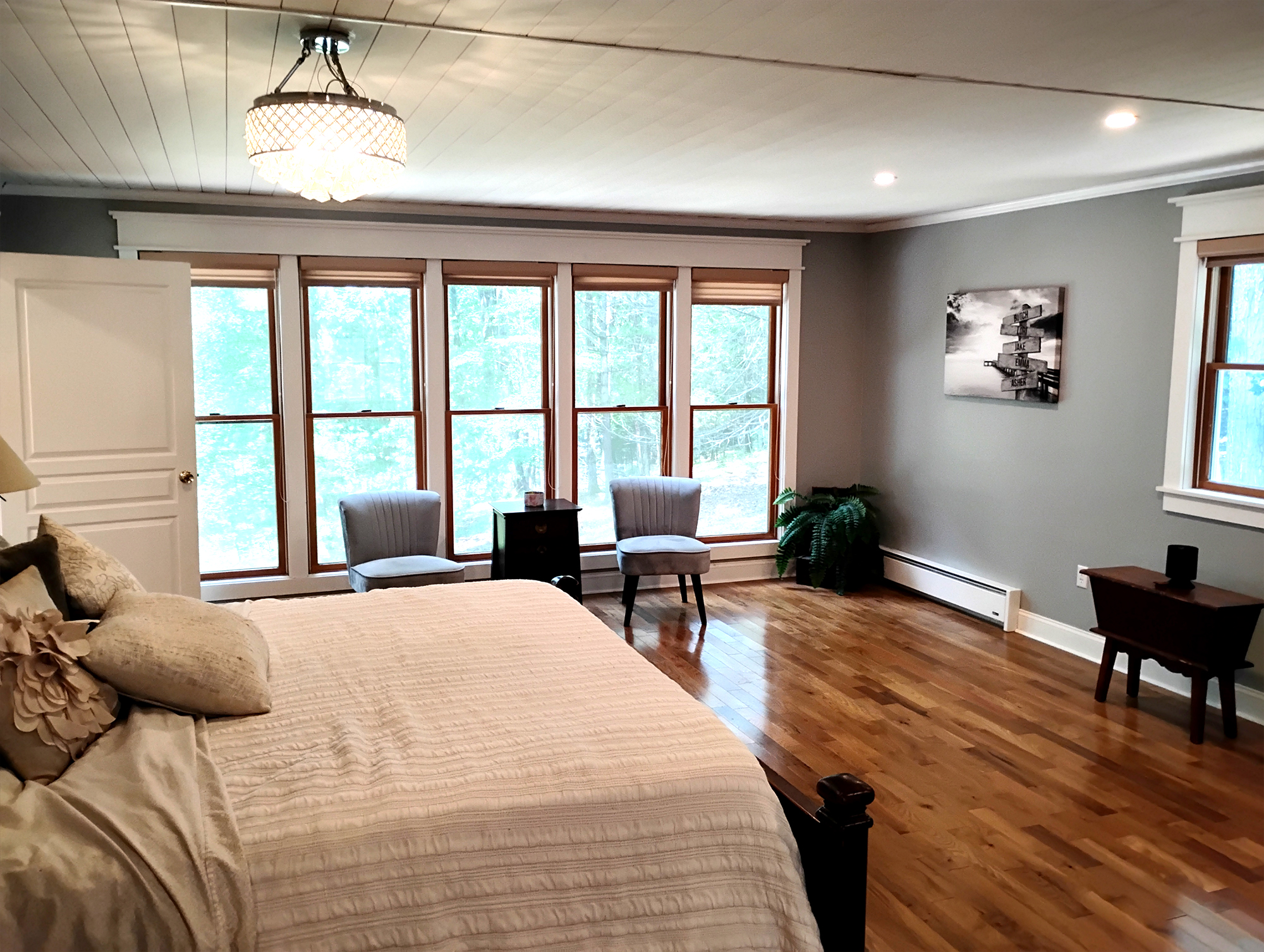
interior house painting bedroom painting with ceiling light and windows

Painting Over Chalky Surfaces

A chalky exterior can leave a fine, powdery residue on your hand when you rub the surface.

Chalking occurs as the coating’s binder breaks down and pigment becomes exposed.

Some chalking is a normal part of exterior paint aging. Heavy chalking, however, can interfere with the adhesion of a new coating.

If a painter simply applies new paint over a heavily chalked surface without appropriate preparation, the new coating may bond to the unstable layer rather than to a sound substrate.

The result can be premature peeling or flaking.

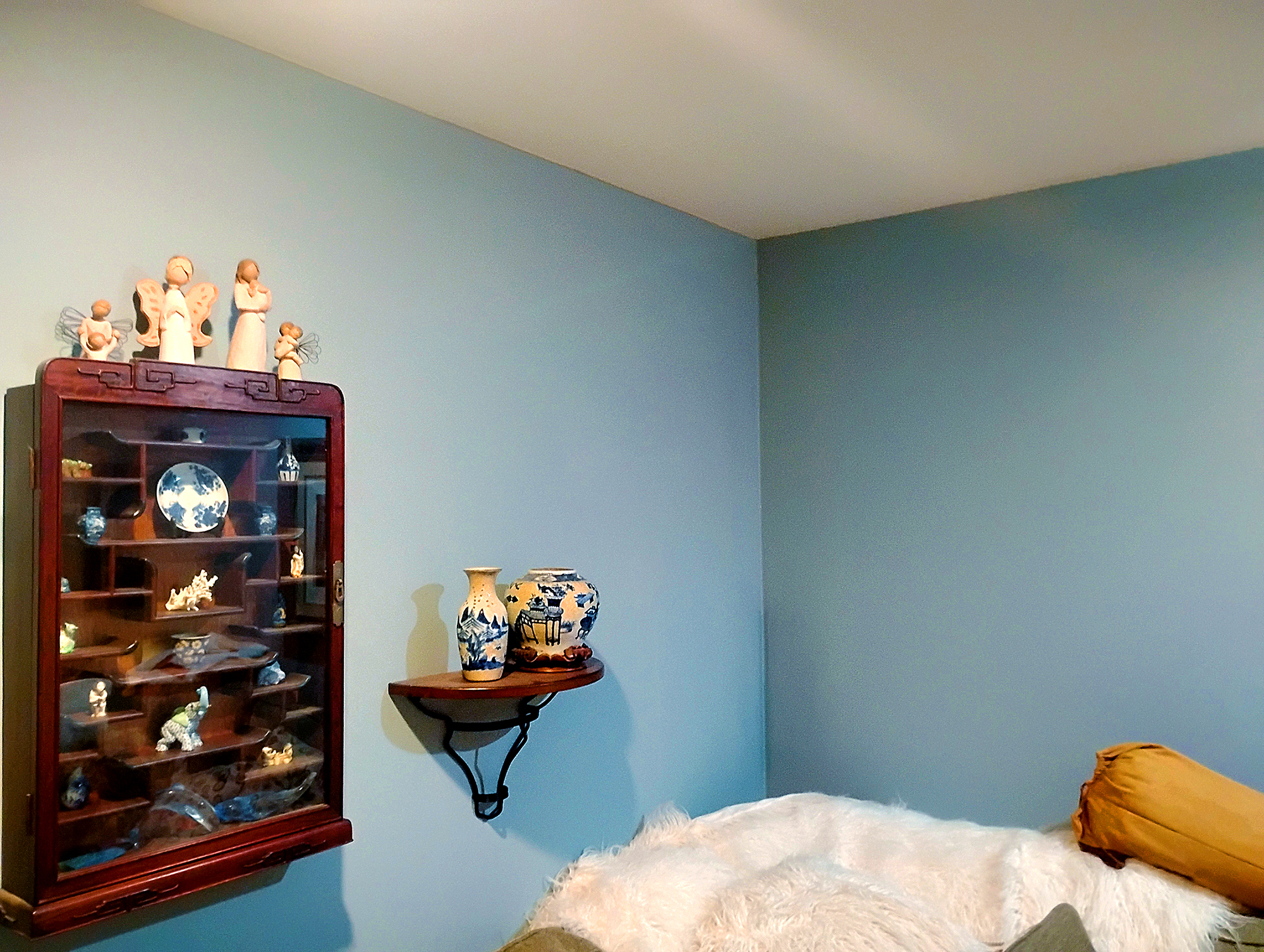
Interior Paint Residential Kingston PA blue on white ceiling web

The Surface Was Still Damp

Exterior paint needs appropriate conditions to adhere and cure correctly.

Painting a surface that is damp from rain, dew, washing, or high humidity can create adhesion problems.

This can be particularly relevant in Northeastern Pennsylvania during spring and fall, when mornings may be cool and damp even if the afternoon becomes comfortable.

Homes surrounded by trees can also have shaded sections that remain damp longer than areas exposed to direct sunlight.

A surface may look dry from a few feet away while still holding enough moisture to affect the coating.

That is why professional exterior painting involves paying attention to actual surface conditions, not just the temperature shown on a weather app.

Too Many Layers of Paint

Older Pennsylvania homes can have several generations of paint.

One coating may have been applied over another, which was applied over another.

Eventually, the accumulated layers can become less stable.

If an older layer is poorly adhered, every new layer placed above it can inherit that weakness.

This does not mean every older home needs to have every existing layer removed before repainting. The appropriate preparation depends on the condition of the existing coating and the substrate.

But widespread peeling should prompt a closer look at what is actually happening beneath the most recent layer.

Why the Same Spot Keeps Failing

If you have repainted a section several times and the paint keeps peeling in exactly the same place, that’s a valuable clue.

The coating may not be the primary problem.

Repeated failure can indicate:

  • Persistent moisture
  • A leaking gutter
  • Failed flashing
  • A damaged substrate
  • Movement at a joint
  • Poorly prepared previous coatings
  • An ongoing drainage problem

When paint fails repeatedly in one location, the better question is not “What paint should I use next?”

It’s “What keeps causing the paint to fail here?”

That change in perspective can prevent years of temporary repairs.

Exterior Paint Failure Can Start Small

Paint problems often begin with details that are easy to dismiss.

A homeowner may notice one peeling section of trim or a few hairline cracks and assume there is no urgency.

Sometimes that’s true.

But small failures can become larger when moisture gains access to the underlying material.

Early attention can be especially valuable on painted wood. Once exposed wood begins absorbing repeated moisture, the repair may eventually involve replacing damaged material rather than simply repainting it.

This is one reason routine exterior maintenance can be more economical than waiting until the coating has visibly deteriorated across the entire house.

A Lasting Finish Starts With the Surface Beneath It

When exterior paint peels, cracks, or blisters, the visible damage is only part of the story.

The coating may be telling you that moisture is getting behind it, the surface wasn’t properly prepared, the material underneath has deteriorated, or years of Pennsylvania weather have finally taken their toll.

For homeowners throughout Wilkes-Barre, Dallas, Clarks Summit, Shavertown, Mountain Top, White Haven, and the Poconos, understanding the cause is far more useful than simply covering the symptom.

A beautiful exterior finish depends on a sound surface, appropriate preparation, the right coating, and conditions that allow the paint to perform properly.

That approach takes a little more thought up front—but it is what helps an exterior paint job look refined and continue protecting the home long after the brushes are cleaned.

4 + 12 =

 How We Deliver Speed & Perfection on Every Painting Job

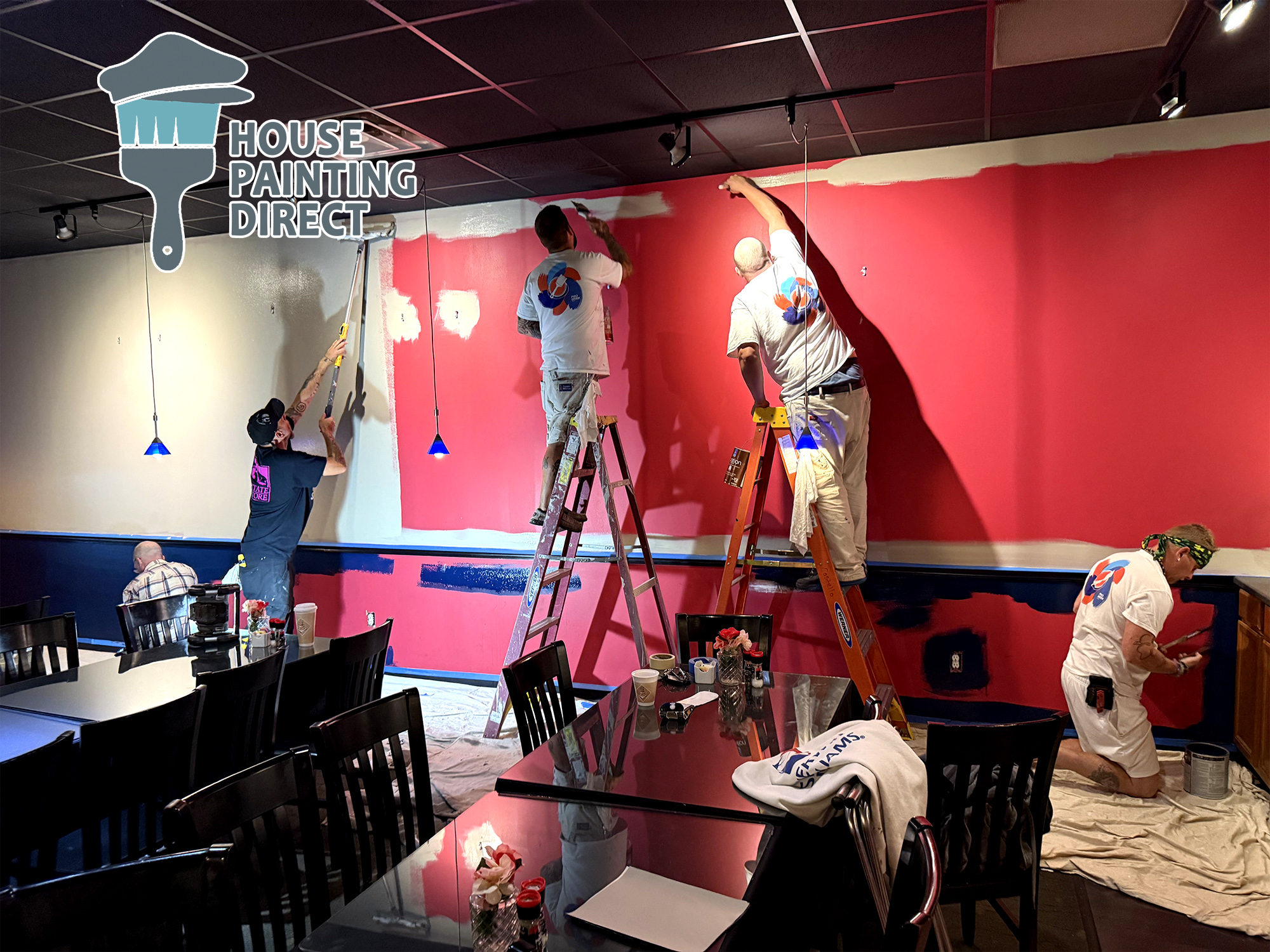
 When you hear the word “fast,” you might picture a rushed, sloppy job. But fast never has to mean careless. With the right system and skilled team, it’s possible to work efficiently while still delivering top-tier craftsmanship every time. Painting does have to follow the right steps in order to get that final look and finish you want, but that doesn’t mean taking forever. With these key elements below, you can see how repetition, experience and a clear goal can get your house painting results faster than the next guy. 
 5-Part Breakdown

 Experience Drives Speed

Fast painting work comes from experience—not shortcuts. With hundreds of paint projects completed, professionals develop streamlined workflows, consistent prep routines, and reliable cleanup strategies. That experience means fewer delays and better outcomes for your next painting project in Wilkes Barre, Scranton or NEPA.

 Prep Work Keeps Things on Track

Good prep doesn’t slow things down—it speeds things up later. Clean, repaired surfaces allow paint or electrical work to go faster and last longer. Skipping prep usually leads to rework and wasted time. This is one of the first mistake inexperienced painters always make. In the end, the results are dictated by the level of prep ahead of time. Taking an extra hour at the beginning of a project can save you days at the end. 

Tools, Teams, and Timing

Fast, high-quality painting work depends on organization. With the right tools and a coordinated team, tasks get done quickly and cleanly. Assigning roles and sticking to a schedule reduces confusion and keeps the project moving. Here at House Painting Direct, we have the experience to quickly organize and plan your project so it is done effeciently with the highest quality paint finish you could want. 

 Built-In Quality Control

Quick progress is great—but not if it leads to poor results. Quality checks are built into every stage. Whether it’s verifying paint coverage or ensuring wiring is secure, small corrections along the way keep the finish flawless. By constantly checking on the status of our painting project we ensure your Pennsylvania home gets the paint quality it deserves.

Clean Finish, On Time

Efficient teams clean as they go, not just at the end. That keeps the space livable during the project and spotless afterward. The final result looks polished—not just fast, but also professional. Its not just about budget or speed its about quality accross the board. A quality end product for you and your home then a quality experience for everyone involved. 
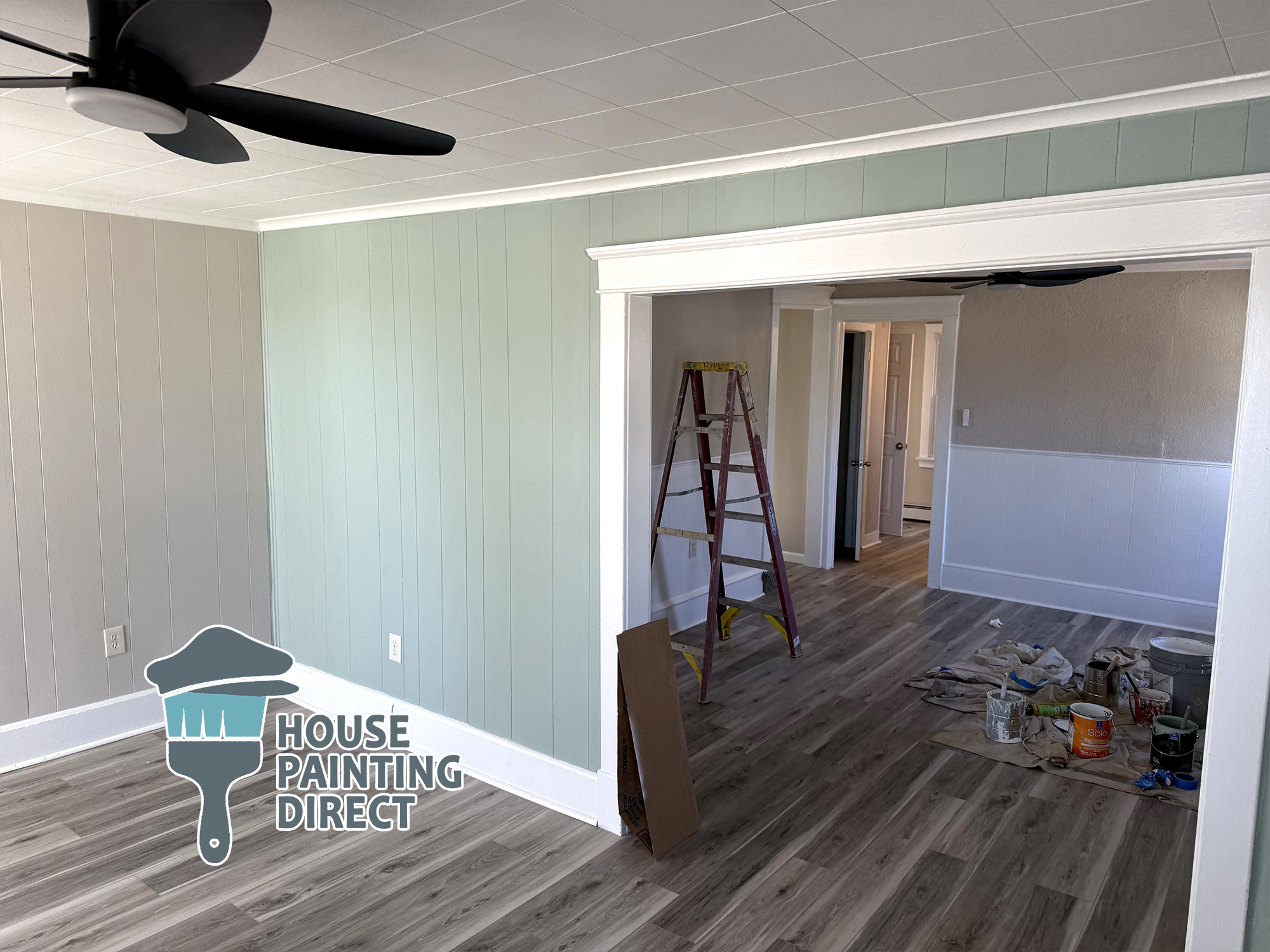
Fast, Not Rushed: The Value of a Professional Painter

The difference between painting fast and painting rushed comes down to skill and experience. A true professional knows how to move efficiently without cutting corners—saving you time, reducing wasted materials, and delivering a finish that’s done right the first time. When your project is completed with care and precision, the results not only look better, but they last longer, giving you lasting value and peace of mind.

Want Fast Results Without the Rush?

We specialize in delivering clean, efficient work that never sacrifices quality. Let’s talk about your next project.

5 + 3 =