
Tailoring Your Approach to NEPA Homes
Northeast Pennsylvania offers a rare mix of architectural charm: the stately Victorian homes along Wyoming Avenue in Clarks Summit, the cozy early-20th-century bungalows scattered around Shavertown, and the sleek, modern builds in Mountain Top. Homeowners here face a unique challenge when it comes to painting: one-size-fits-all approaches simply don’t work.
A historic home often carries layers of character—original wood trim, plaster walls, and period details. Modern homes, by contrast, feature newer drywall, composite siding, and cleaner lines. Knowing the differences ensures both aesthetics and longevity, especially with NEPA’s seasonal swings, from humid summers to frigid winters.
Painting Tips for Longevity
- Preparation is Key: Clean, sand, and repair siding before painting. This ensures paint adheres properly and lasts longer.
- Use the Right Primer: Different siding materials require specific primers. Wood, fiber cement, and metal all benefit from primers that prevent peeling and weather damage.
- Choose Quality Exterior Paint: High-quality paints resist UV rays, moisture, and temperature fluctuations—especially important in the Poconos’ seasonal climate.
- Hire Professionals: Experienced painters know how to handle different siding types safely and efficiently, delivering smooth, lasting results.
| Feature | Historic Home | New Home |
| Surfaces | Wood siding, plaster, original trim | Drywall, fiber cement siding, vinyl trim |
| Preparation | Stripping old paint, sanding, sealing | Light sanding, dust removal, spot priming |
| Paint Choice | High-adhesion primers, oil-based paints for longevity | Acrylic or latex for fast-drying, durable finish |
| Color Trends | Traditional tones—muted greens, creams, brick reds | Bold or neutral contemporary palettes |
| Time & Labor | Often requires multiple prep steps | Usually straightforward, fewer coats |
Major Differences Between Historic and New Homes
Why NEPA Climate Matters
- Humidity Considerations: Summers around Harveys Lake can be humid, which affects drying times for oil-based paints on historic woodwork.
- Winter Impact: Cold, snowy winters in Back Mountain areas may cause expansion and contraction in older wood siding, necessitating flexible, weather-resistant paint formulations.
- UV Exposure: South-facing walls along streets like Wyoming Avenue can fade faster, making UV-resistant paints or topcoats essential.
Localized Example
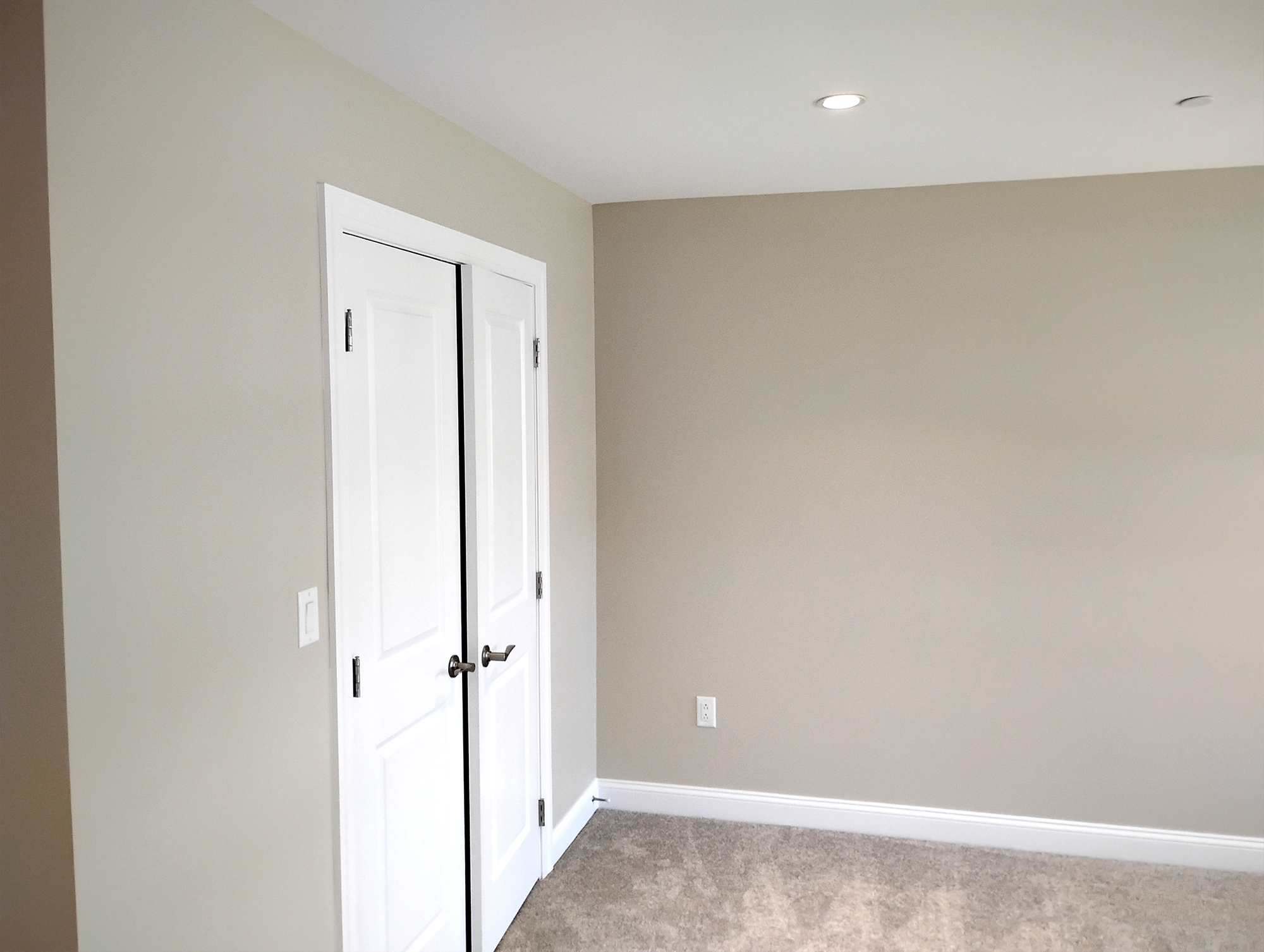
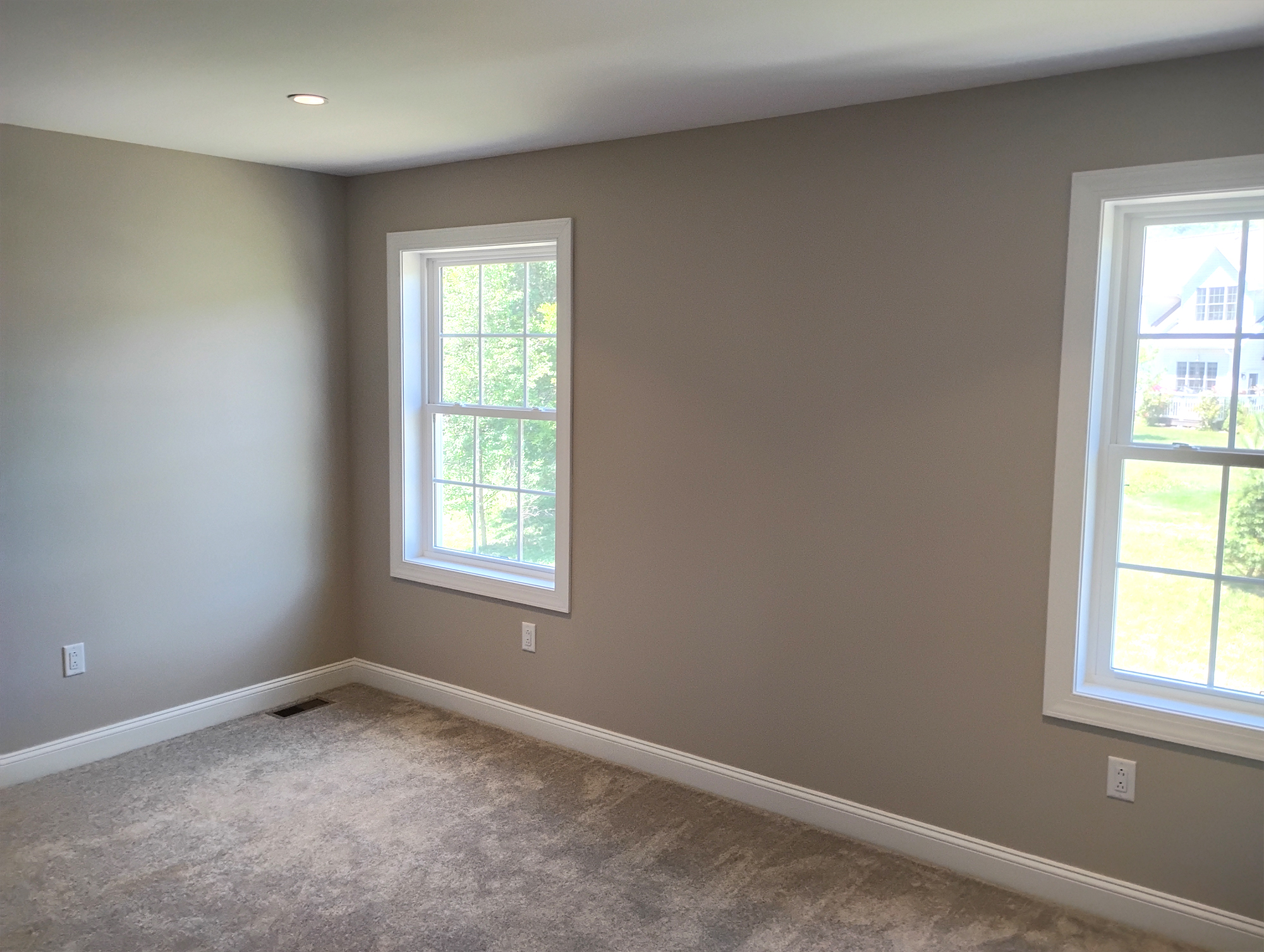
After a weekend hike along Back Mountain trails, you want your historic home’s paint to look as crisp as your morning coffee at The Market Place in Clarks Summit. Modern homes along Route 309 in Mountain Top benefit from smoother finishes that complement the clean lines and new materials used in their construction.
Local Search Tip
Question: “What should I know about painting a historic home vs. a new home in Northeast PA?”
Answer: Homeowners searching locally are looking for practical guidance that considers NEPA-specific surfaces and climate. Focus on prep, primer type, and paint finish. Mentioning neighborhoods like Clarks Summit, Shavertown, Mountain Top, and Harveys Lake boosts relevance while answering the question clearly for local searches.
Conclusion
Painting a historic NEPA home requires patience, attention to detail, and respect for the architectural style—layered prep work, high-adhesion primers, and period-appropriate colors make the difference. New homes benefit from efficiency and modern paint formulations that handle smooth surfaces. In every case, knowing the local climate, neighborhood character, and surface materials ensures a polished, long-lasting finish.
Whether it’s a Victorian on Wyoming Avenue, a Craftsman in Shavertown, or a new build in Mountain Top, a tailored approach protects your home, honors its style, and keeps it looking its best for years to come.