Older homes in Northeast Pennsylvania have unique charm, but maintaining and updating them can be challenging—especially when it comes to walls. Many older homes feature plaster walls, while newer renovations may use drywall. Understanding the differences between plaster and drywall repair and painting helps homeowners preserve their home’s character while achieving a fresh, modern look.
Understanding Plaster and Drywall
Plaster Walls
Plaster is a durable, dense material often found in homes built before the 1950s. It provides a smooth, solid finish and adds historic character, but cracks, chips, and separation are common as homes settle over time.
Drywall
Drywall became popular in the mid‑20th century and is easier to install and repair than plaster. It is lighter, more flexible, and provides a consistent surface that is forgiving during repairs and repainting.
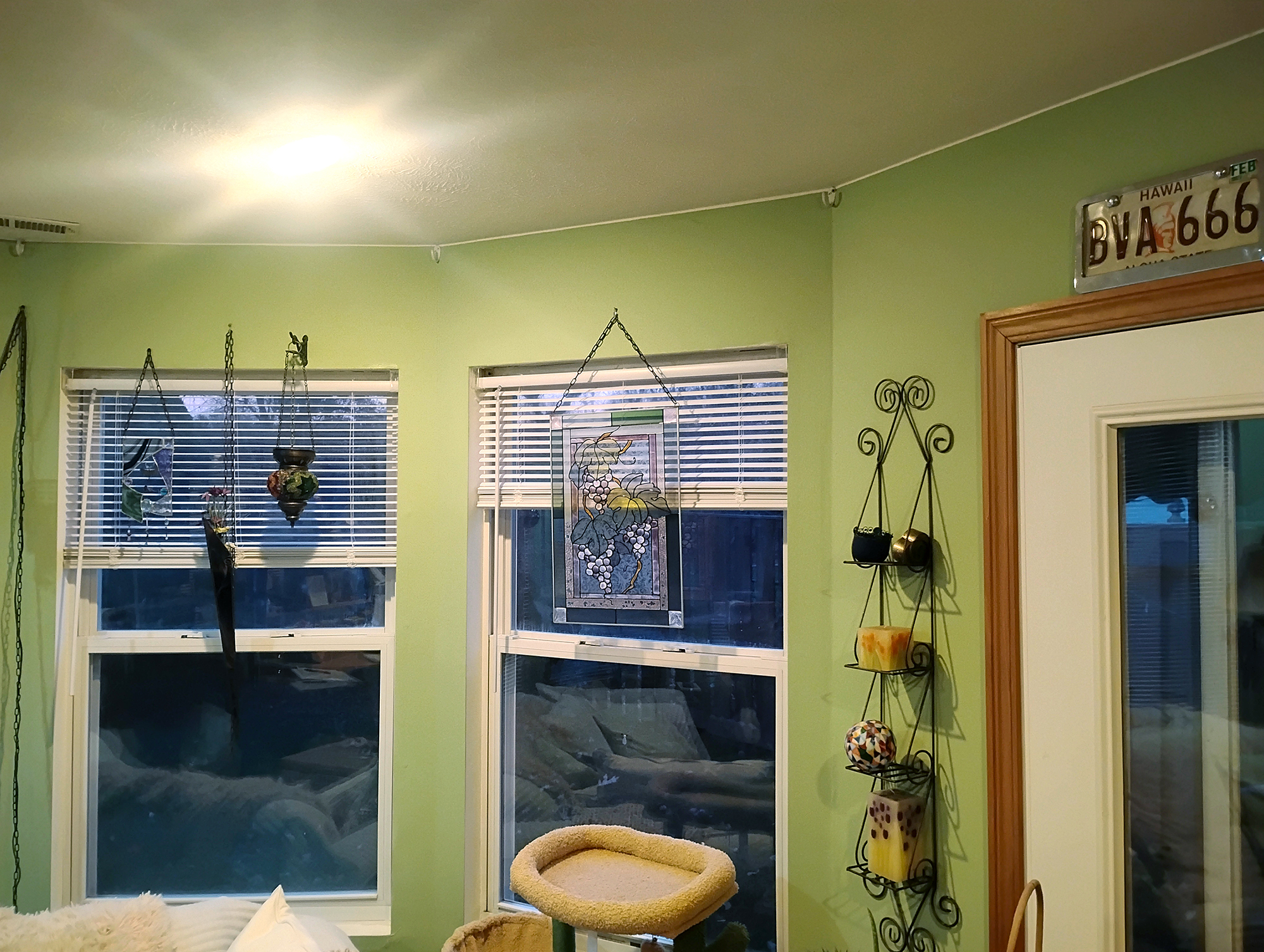
Common Issues in Older NEPA Homes
- Cracks and Chips: Plaster walls often develop hairline or spider cracks due to age, settling, and seasonal moisture changes.
- Holes and Impact Damage: Drywall can be punctured more easily, but repairs are typically straightforward.
Uneven Surfaces: Older plaster walls may have waves or imperfections that require extra preparation before painting.
A Professional Painter’s Perspective: Why Hiring a Pro Beats DIY
As a professional painter working in older Northeast Pennsylvania homes, I often remind homeowners that painting issues usually start with preparation—not the paint itself. Plaster and older drywall naturally move with humidity and temperature changes, and without proper stabilization and priming, cracks can resurface over time.
DIY repairs can work for small projects, but they often focus on covering visible damage rather than addressing what’s happening beneath the surface. A professional approach emphasizes diagnosing the cause, choosing appropriate materials, and applying a paint system designed to hold up longer.
For homeowners who want long-lasting results and fewer touch-ups down the road, hiring a professional is often a smart option—not a requirement, but a way to reduce frustration and ensure the job holds up over time.
Repair Considerations
Plaster Repair
- Requires specialized skills to properly stabilize and patch cracks
- Often involves layering plaster, reinforcing weak areas, sanding, and sealing
- Proper priming is critical to prevent future cracking and flashing
Professional Painter POV:
“One of the biggest mistakes we see in older NEPA homes is homeowners filling plaster cracks with lightweight spackle and painting over them the same day. It may look fine initially, but within months the cracks reappear. Proper plaster repair takes time, reinforcement, and the right materials — shortcuts never last.”
Drywall Repair
- Faster repairs for holes, dents, or water damage
- Seams and patches require taping, joint compound, sanding, and spot priming
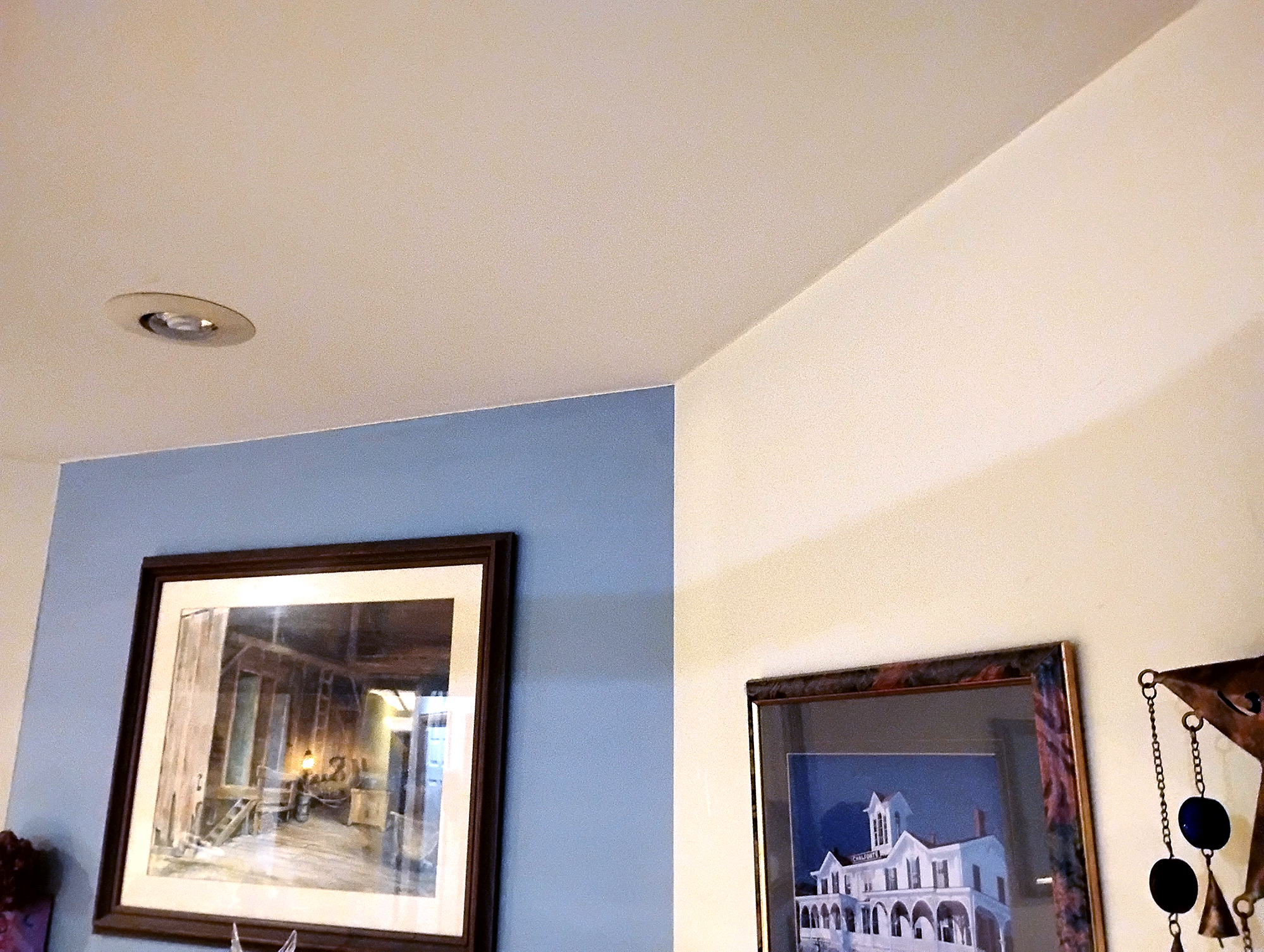
- Easier to achieve a uniform surface for modern paint finishes
Professional Painter POV:
“Drywall repairs are often underestimated. Poor taping or rushed sanding creates visible seams that show through paint, especially under natural light. Taking the extra time to feather edges properly is what separates a professional finish from a DIY patch job.”
Painting and Finishing Tips
Priming:
Always use a high-quality primer to seal repaired areas and prevent uneven paint absorption
Paint Selection:
Durable, washable paints work best for high-traffic areas common in family homes
Finish Choice:
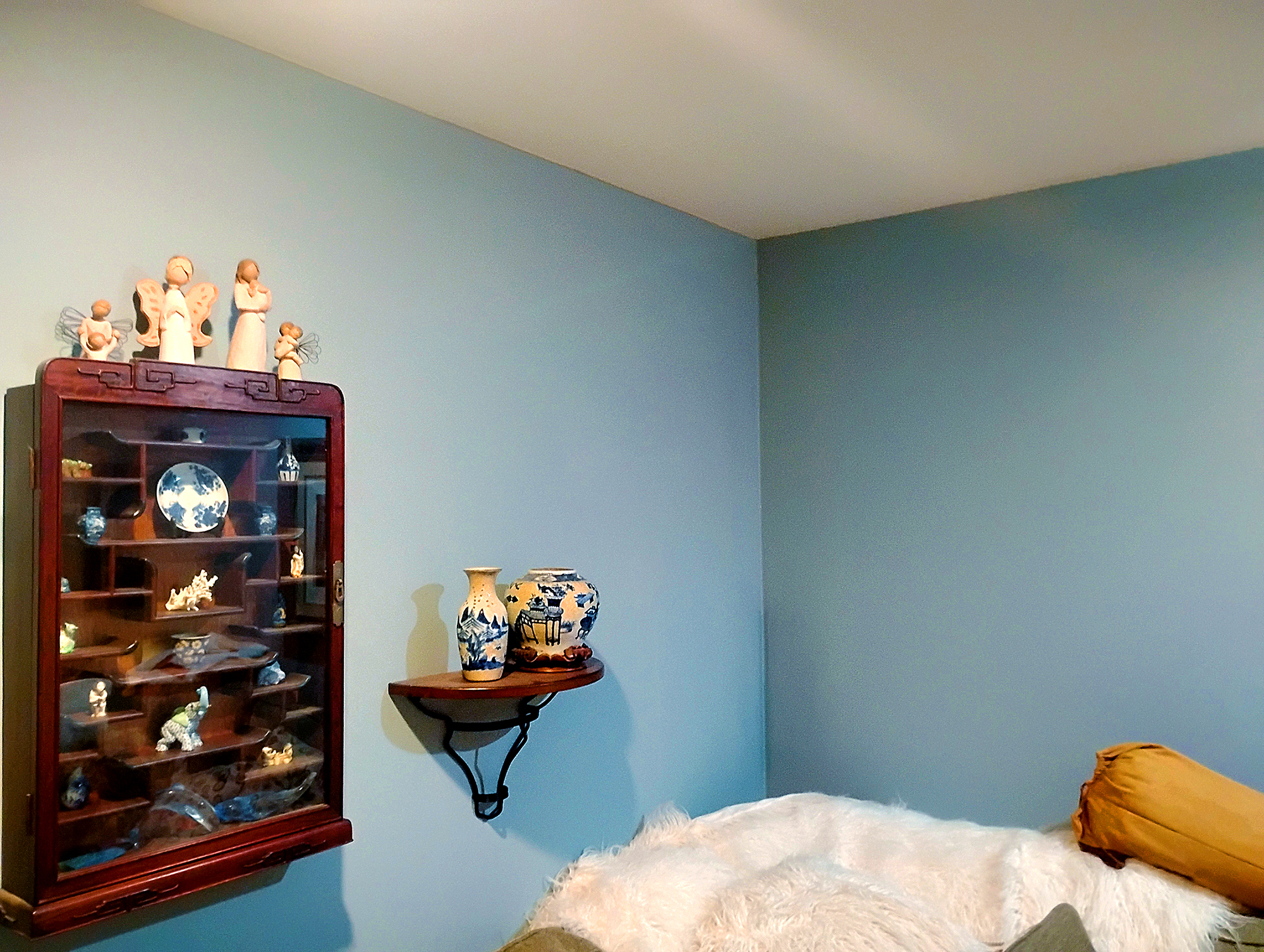
Matte or eggshell finishes help hide minor imperfections, especially on older walls
Professional Painter POV:
“In older homes, paint failure is usually caused by what’s underneath — not the paint itself. Skipping primer or using the wrong finish can highlight every flaw. A proper paint system is just as important as the color you choose.”

Why NEPA Homeowners Trust Professionals
Repairing and painting plaster or drywall in older Northeast Pennsylvania homes requires experience and attention to detail. Professionals understand how temperature swings, humidity, and settling affect older construction. Proper repair techniques and paint systems ensure a smooth, long-lasting finish while preserving your home’s original character.
Professional Painter POV:
“We’ve walked into jobs where three layers of paint were hiding failing plaster, loose drywall tape, and moisture damage. Once we correct the underlying issues, homeowners are shocked at how much smoother and brighter their home feels — and how long the results actually last.”
Updating your NEPA home’s walls with professional plaster and drywall repair enhances beauty, durability, and long-term value.