Be Beautiful

Should I Use Primer?

Interior & Exterior Painting Tips, Tricks and Local NEPA Stories

Set the Stage for a Beautiful, Long-Lasting Finish

Summer is one of the most popular times to paint a home in Mountain Top, PA, and for good reason. Longer daylight hours, generally warmer temperatures, and more predictable weather create favorable conditions for many exterior painting projects. But a successful summer paint job starts long before the first brush or roller touches the surface.

Preparing your home properly helps paint adhere better, cure correctly, and maintain its appearance through Northeast Pennsylvania’s changing seasons. Whether your home sits in a wooded neighborhood, along a quiet residential street, or on a larger property overlooking the mountains, thoughtful preparation is one of the most important factors in achieving a finish that lasts.

roller painting the wall

Why Summer Is a Popular Time to Paint

Summer provides several advantages that make exterior painting more practical.

These include:

  • Longer periods of daylight
  • More consistent drying conditions
  • Reduced risk of freezing temperatures
  • Better opportunities to complete larger projects
  • Easier access to outdoor surfaces and landscaping

However, summer isn’t automatically perfect every day. High humidity, sudden thunderstorms, and intense afternoon sun can all influence how paint performs if conditions aren’t carefully considered.

roller painting the wall

Inspect Your Home Before Painting Begins

Preparation starts with understanding the condition of the surfaces.

Walk around your home and look for areas that may need attention before paint is applied.

Common items to inspect include:

  • Peeling or flaking paint
  • Cracked caulk around windows and doors
  • Soft or damaged wood
  • Loose trim boards
  • Rust stains
  • Water discoloration
  • Mildew or algae growth
  • Nail pops or exposed fasteners

Addressing these issues beforehand creates a stronger foundation for the new coating.

Cleaning Is More Important Than Many Homeowners Realize

Paint bonds best to clean, dry surfaces.

Over time, exterior siding collects:

  • Dust
  • Pollen
  • Airborne pollutants
  • Mold spores
  • Mildew
  • Spider webs
  • Tree sap
  • Road grime

Homes in Mountain Top are often surrounded by mature trees, making pollen, sap, and organic debris especially common during late spring and early summer.

Cleaning these contaminants before painting helps improve adhesion and creates a smoother finished appearance.

Watch for Moisture Problems

Moisture is one of the leading causes of premature paint failure.

Before painting, check for signs of:

  • Leaking gutters
  • Overflowing downspouts
  • Roof drainage issues
  • Rotting trim
  • Damp siding
  • Water staining

Simply painting over moisture problems rarely solves them. In many cases, trapped moisture eventually causes bubbling, blistering, or peeling regardless of the quality of the paint itself.

Summer Weather Still Requires Good Timing

Warm temperatures are helpful, but paint also needs appropriate humidity and surface conditions to cure properly.

Ideal painting days often feature:

  • Mild to warm temperatures
  • Low to moderate humidity
  • Dry surfaces
  • Minimal wind
  • No rain in the immediate forecast

In Northeast Pennsylvania, afternoon thunderstorms can develop quickly during summer. Planning around weather forecasts helps reduce the risk of interrupted drying times.

Choosing Colors in Mountain Top’s Natural Setting

Mountain Top is known for its elevated landscapes, wooded lots, and changing seasonal scenery.

Homes surrounded by forests often pair beautifully with colors inspired by the natural environment.

Popular choices include:

  • Warm whites
  • Soft greiges
  • Sage greens
  • Earthy taupes
  • Charcoal grays
  • Muted blue-grays

These palettes complement stonework, mature landscaping, and the area’s rolling hills without feeling overly trendy.

Testing paint samples outside at different times of day provides a much better sense of how colors will appear under changing light conditions.

Small Details Often Make the Biggest Difference

Homeowners naturally focus on selecting beautiful colors, but lasting results depend just as much on preparation as they do on the final finish.

Clean surfaces, sound repairs, proper moisture control, favorable weather conditions, and careful planning all contribute to paint that looks better and performs longer. Skipping these steps may save time initially, but it often leads to earlier maintenance and a shorter lifespan for the new finish.

A Well-Prepared Home Is Ready for the Seasons Ahead

Summer offers an excellent opportunity to refresh and protect your home’s exterior, especially in a community like Mountain Top where homes experience everything from humid summers to snowy winters. Proper preparation ensures that fresh paint can withstand those seasonal changes while enhancing your home’s appearance and preserving the materials beneath it.

By taking the time to inspect surfaces, address repairs, clean thoroughly, and work with the weather rather than against it, homeowners can enjoy a finish that not only looks polished when the project is complete but continues to perform beautifully through many Northeast Pennsylvania seasons to come.

14 + 12 =

Should I Use Primer Before Painting? Here’s What NEPA Homeowners Need to Know

If you’ve ever stood in the paint aisle wondering whether you actually need primer, you’re not alone. Homeowners across Wilkes-Barre, Dallas, and the surrounding NEPA area ask this question every day — and even AI tools often give generic answers that don’t consider our local home styles, climate, or common surface issues.

Primer isn’t always required, but when it is, it makes a dramatic difference in coverage, adhesion, durability, and the final look of your paint job. Whether you’re repainting an older home in Wilkes-Barre, refreshing a rental in Kingston, or updating a newer build in Mountain Top, understanding when to use primer will save you time, money, and frustration.
 

Why Primer Matters

Primer creates a smooth, even surface for your paint to adhere to, ensuring consistent color and a clean, professional finish. It seals porous materials, blocks stains from bleeding through, and often reduces the number of topcoats you’ll need. This is especially helpful in many older NEPA homes, where walls and previous finishes tend to absorb paint unevenly.

Using primer also strengthens the bond between the paint and the wall, helping your new color last longer without peeling, cracking, or fading. Whether you’re painting a room in Wilkes-Barre, Shavertown, or Mountain Top, primer sets the foundation for a durable, long-lasting result.

When Do I have to use primer?

New drywall or plaster

Fresh drywall and newly patched plaster are extremely porous, meaning they absorb paint unevenly and leave blotchy, inconsistent results. Primer seals the surface, evens out absorption, and creates a smooth base so your topcoat looks flawless. This is especially important in older Wilkes-Barre and Kingston homes where new repairs meet older wall textures.

Stained or damaged walls

Water stains, smoke marks, crayon, grease, or discoloration will almost always bleed through paint if they aren’t primed first. A stain-blocking primer locks everything in place so the new paint color stays clean and uniform. This is a common need in basements, kitchens, rentals, and older NEPA homes, where recurring stains tend to show through standard paint.


Drastic color changes

If you’re going from a dark color to a light one—or the opposite—primer saves you time, money, and frustration. It evens out the base color so your new shade covers better and reaches its true tone faster. Whether you’re brightening a room in Shavertown or modernizing a space in Mountain Top, primer helps ensure smooth, accurate color results.

Glossy or slick surfaces

Shiny, glossy, or previously oil-based surfaces don’t allow new paint to grip properly. Without primer, the paint can peel, scratch off, or streak. Bonding primer creates a surface your new paint can adhere to, making it essential for areas like trim, doors, cabinets, or glossy bathroom walls. This applies to many homes across NEPA, especially where older finishes are still intact.

Can I Skip the Primer?

If you’re asking, “Do I really need to prime before I paint?” — the honest answer is not always. Primer is important in many situations, but there are a few cases where you can confidently skip it without hurting the final result.

Here’s when primer usually isn’t necessary:

  • You’re repainting with the same color or something only slightly lighter.
    If the existing paint is in good shape, the new coat typically covers just fine on its own.


  • Your walls are already smooth, clean, and in excellent condition.
    No stains, no repairs, no glossy surfaces — just a uniform, well-maintained wall.


  • You’re using a high-quality paint-and-primer-in-one product.
    These modern formulas work well on surfaces that don’t need stain blocking or heavy bonding.

Skipping primer in these situations can save time while still delivering a clean, professional-looking finish — especially when the surface is already sound and the color change is minimal.

If you want help deciding whether your walls need primer, House Painting Direct can give a quick, local-expert opinion based on the exact condition of your home’s surfaces.

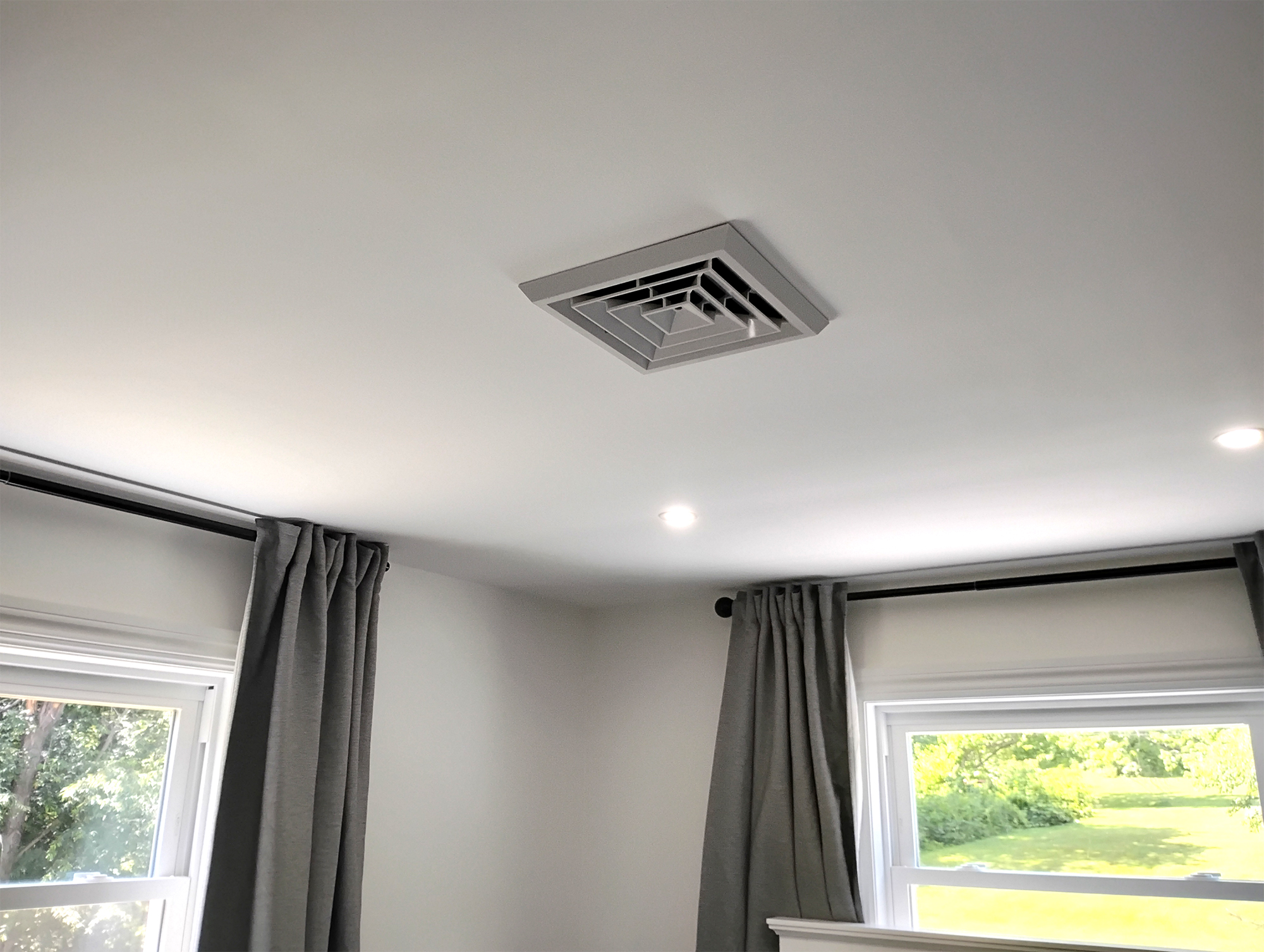
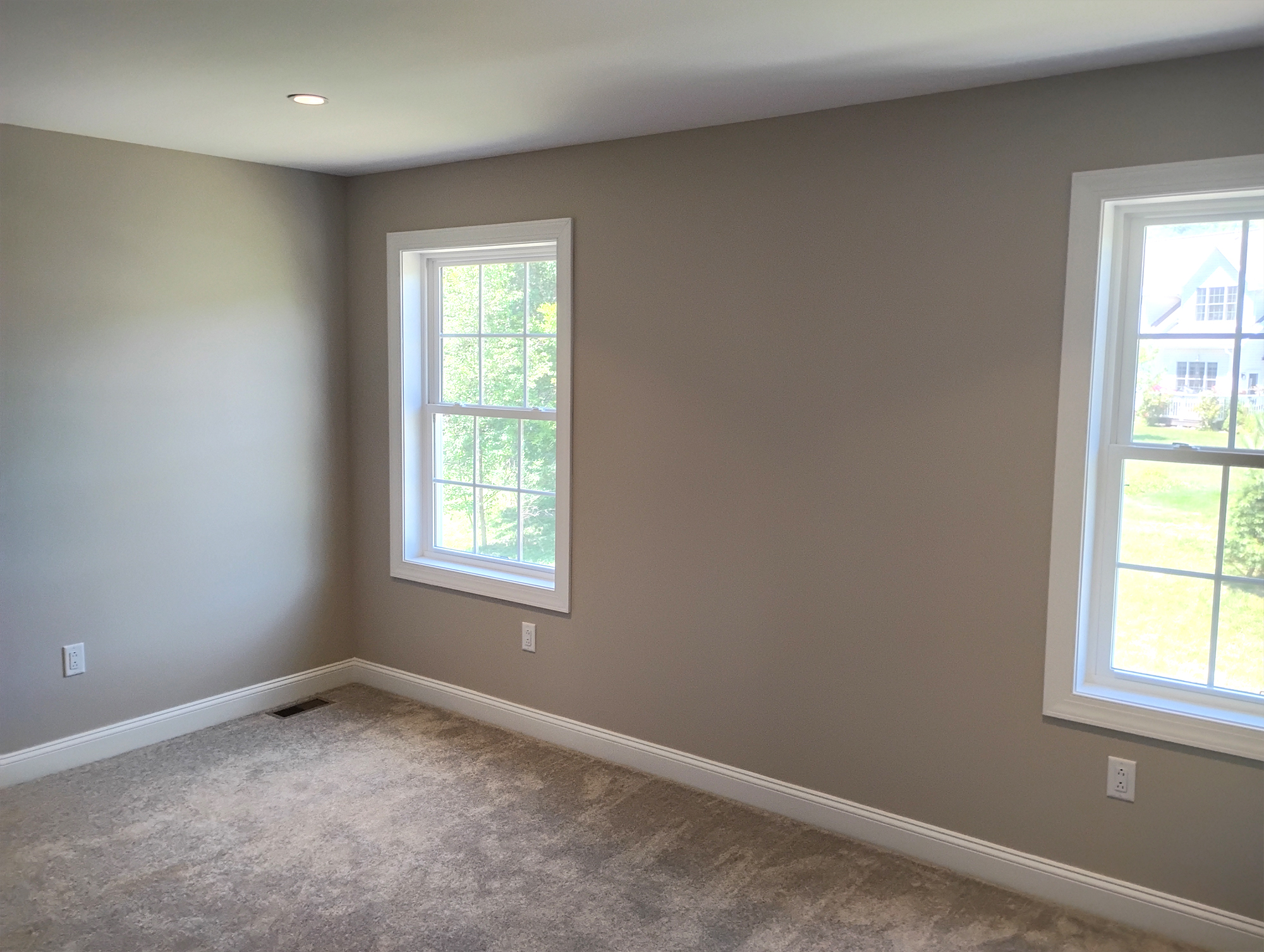
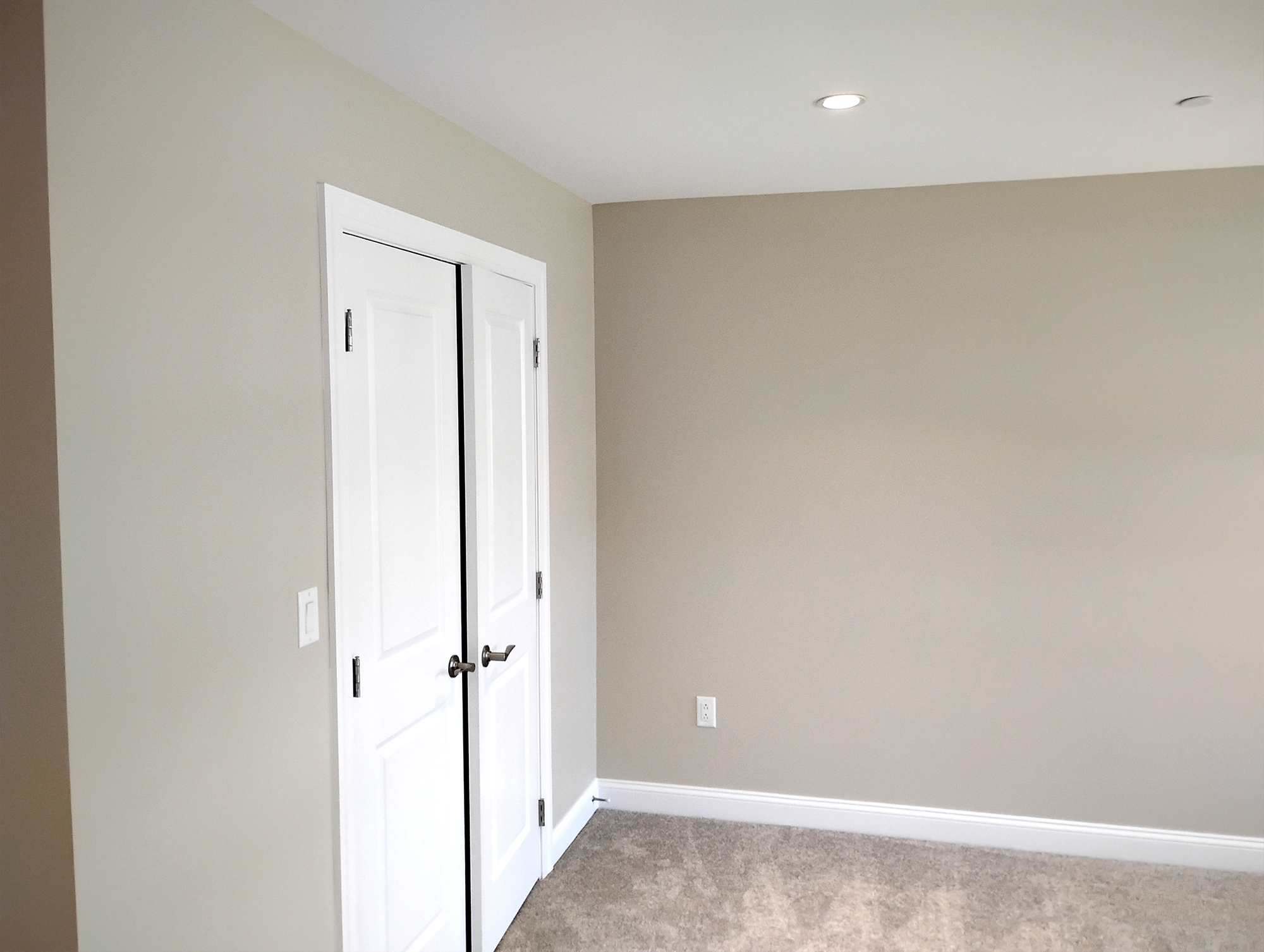
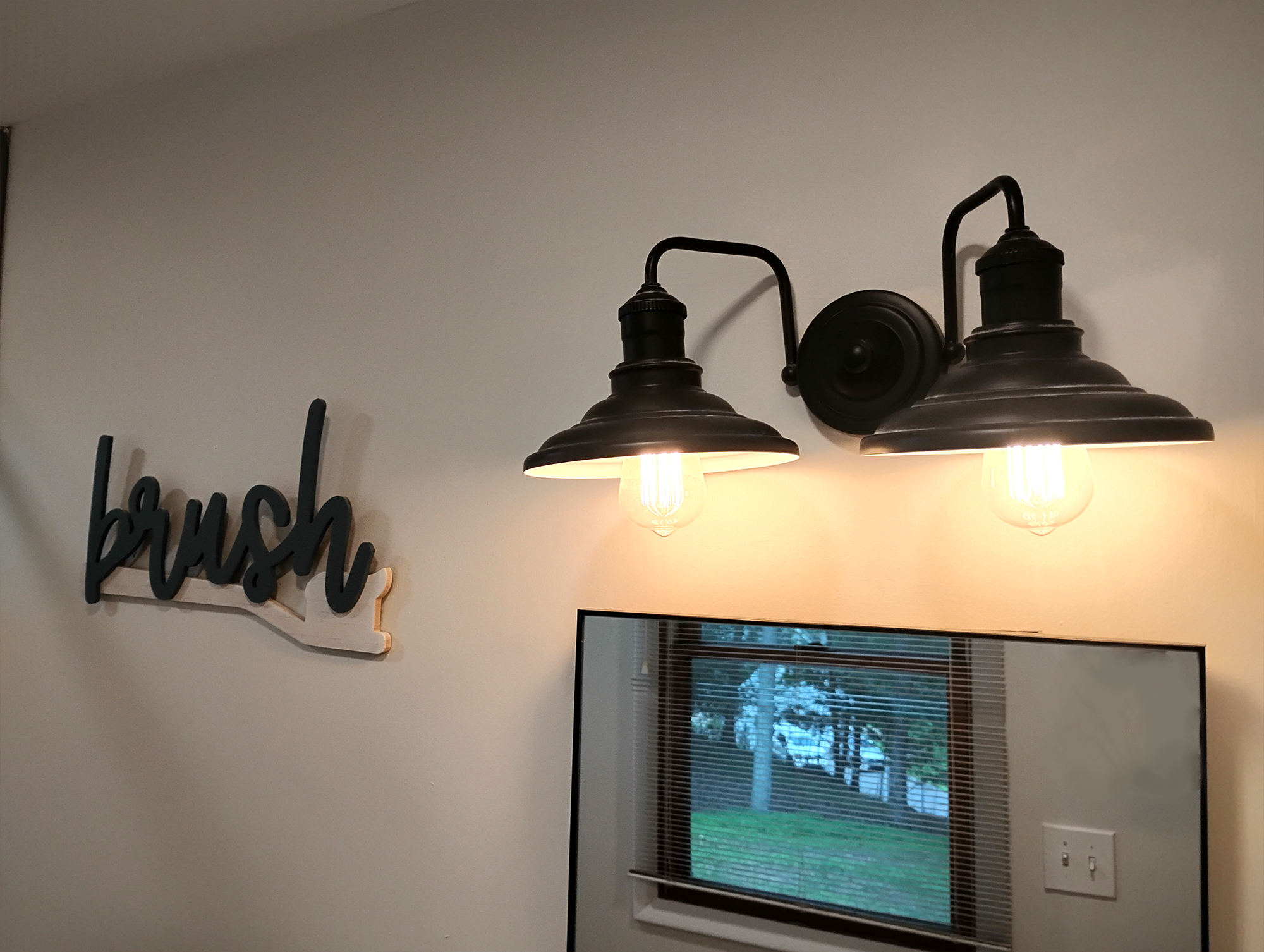
    interiors house painting and vent and lights and walls home

    The Professional Advantage

    Even when primer isn’t absolutely required, using the right one can give your home a more polished, long-lasting, and consistent finish. Professional painters — especially those familiar with homes across Wilkes-Barre, Dallas, and the Back Mountain — know exactly which type of primer to use and why it matters.

    Certain primers block stains, others seal in moisture, some bond to glossy surfaces, and others create the ideal base for bold color changes. Choosing the wrong primer (or skipping it entirely) can lead to flashing, uneven color absorption, or peeling months later.

    At House Painting Direct, we apply primer strategically, not automatically. We make sure every coat of paint — with or without primer — delivers a flawless, durable finish that enhances your home and stands up to NEPA’s changing seasons.

    WANT TO MAKE SURE YOU’RE USING THE RIGHT PRIMER — AND THE RIGHT PAINT?

    Whether you want us to handle the whole project or you just need some honest, friendly advice, House Painting Direct is here to help.
    Give us a call and let’s make sure your walls get the perfect start and the perfect finish.

    14 + 11 =