
Be Beautiful

Top 5 Questions We Get Asked About Interior Painting in Wilkes-Barre Homes

Interior & Exterior Painting Tips, Tricks and Local NEPA Stories

The Same Paint Can Look Different From Morning to Evening

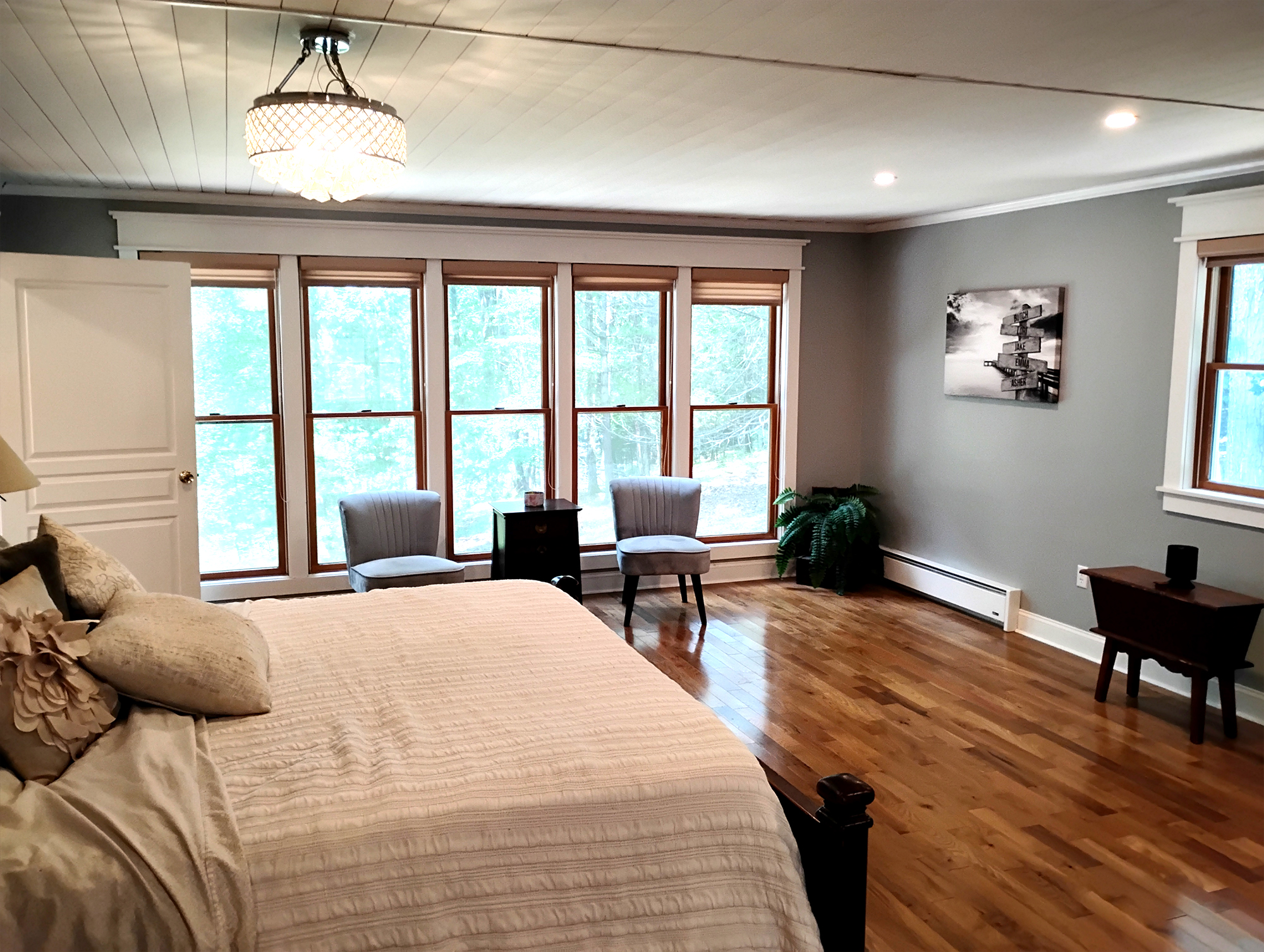
Choosing a paint color often begins with a small sample card, but the way that color looks in a store is rarely how it will appear once it’s on your walls. One of the biggest reasons is natural light. As the sun moves across the sky, the quality, intensity, and direction of daylight change, causing paint colors to shift throughout the day.

This is why a color you loved in the morning may seem warmer in the afternoon or noticeably darker after sunset. It’s not that the paint has changed—it’s the light interacting with the pigments, sheen, and surrounding surfaces.

For homeowners in Wilkes-Barre and throughout Northeastern Pennsylvania, understanding how natural light affects paint color is one of the smartest ways to make confident design decisions before opening a single can of paint.

Morning Light Creates a Cooler Appearance

East-facing rooms receive the most sunlight early in the day.

Morning light is generally:

  • Soft
  • Slightly cool
  • Crisp
  • Bright without being harsh

Because of this, paint colors often appear cleaner and more subdued during the morning hours.

Cool paint colors such as blues, greens, and soft grays may appear especially fresh, while warmer colors can seem more balanced and less intense.

As the day progresses and direct sunlight moves away, these same rooms typically become softer and more muted.

Test Paint Where It Will Actually Be Seen

Paint samples provide valuable information, but where they’re placed matters.

Instead of evaluating a color under only one lighting condition, observe it:

  • In the morning
  • Midday
  • Late afternoon
  • Evening with interior lighting
  • On sunny days
  • During cloudy weather

This approach offers a much more accurate understanding of how the finished room will look throughout daily life.

Paint Undertones Become More Noticeable

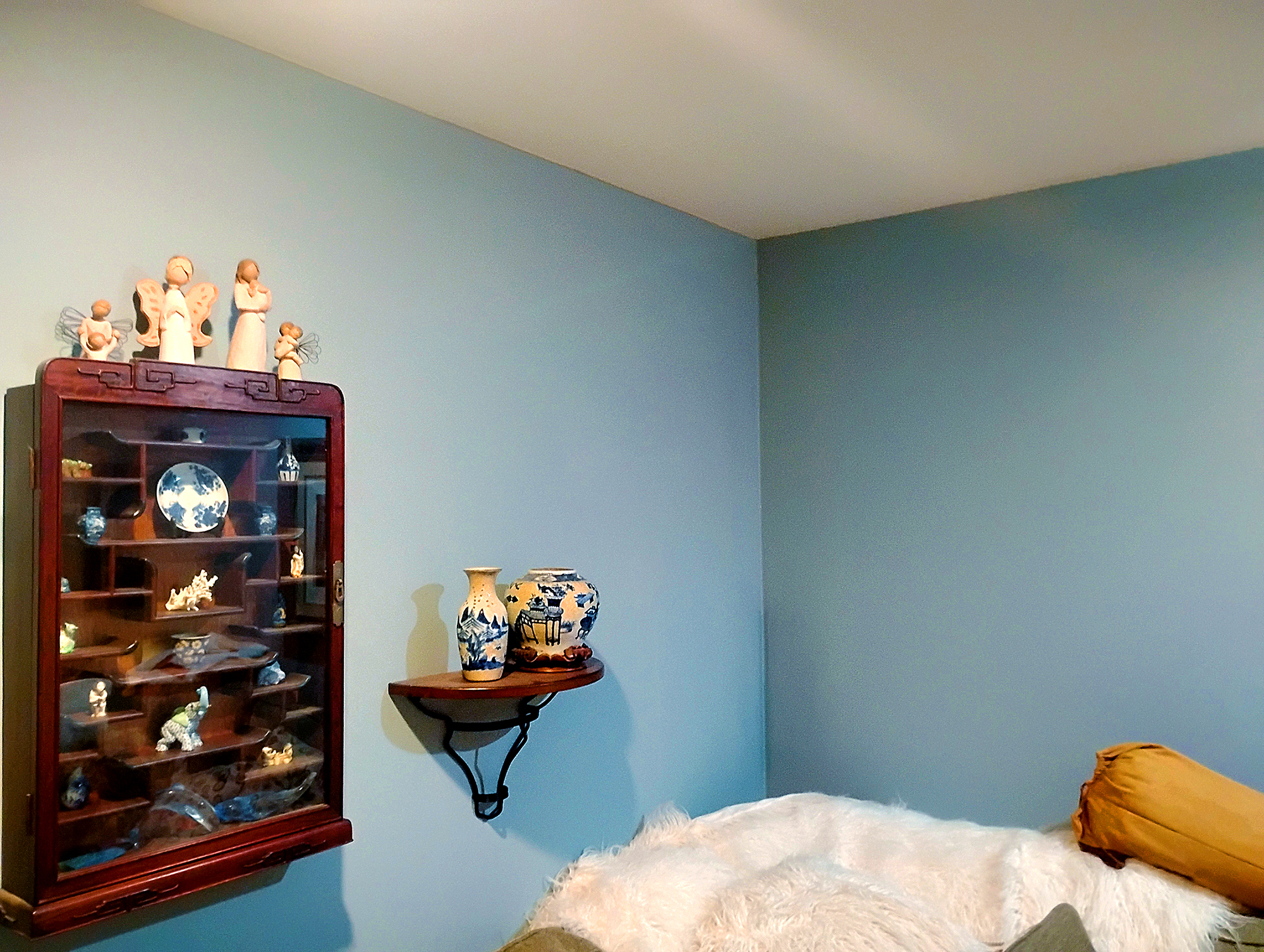
Every paint color has subtle undertones that may not be obvious until it is applied to a wall.

Common undertones include:

  • Blue
  • Green
  • Yellow
  • Red
  • Violet
  • Brown

Changing natural light can emphasize these undertones at different times of day.

For example, a gray paint that appears perfectly neutral under afternoon sunlight may reveal a blue or green cast on an overcast morning.

Understanding undertones helps explain why two similar paint samples can behave very differently in the same room.

Seasonal Changes Affect Interior Color Too

Natural light isn’t constant throughout the year.

In Northeastern Pennsylvania, seasonal differences influence how rooms feel.

During summer:

  • Longer daylight hours
  • Brighter sunlight
  • Stronger UV exposure

During winter:

  • Lower sun angles
  • Shorter days
  • More overcast skies
  • Snow reflecting additional light into some rooms

Homeowners in the Poconos, Mountain Top, and other wooded communities may also notice seasonal changes caused by tree cover. Rooms can feel significantly brighter in winter after leaves have fallen and more shaded during the summer months.

Color Choice Can Influence Heat Absorption

Many homeowners select paint colors based primarily on appearance, but color also affects how much heat the home’s exterior absorbs.

Generally speaking:

  • Dark colors absorb more solar heat.
  • Lighter colors reflect more sunlight.
  • Mid-tone colors often balance aesthetics and performance.

This doesn’t mean dark colors should be avoided. Many modern exterior paints are specifically designed to perform well even in deeper shades, provided they are appropriate for the surface and applied correctly.

Choosing a color should involve both design preferences and an understanding of how the home interacts with its surroundings.

Beautiful Color Depends on Beautiful Light

Selecting paint is about much more than finding a favorite shade. Every room has its own relationship with sunlight, and that relationship changes from sunrise to sunset and from season to season. By considering how natural light interacts with color, homeowners can create spaces that feel balanced, comfortable, and visually appealing throughout the day.

Whether you’re updating a historic home in Wilkes-Barre, refreshing a family room in Clarks Summit, or brightening a wooded retreat near Harveys Lake or the Poconos, taking the time to evaluate paint in real lighting conditions leads to more satisfying, longer-lasting design choices. When color and light work together, the result is a home that feels thoughtfully crafted from every angle and at every hour.

1 + 11 =

Your Interior Painting Questions—Answered by Local Experts

Homeowners across Wilkes-Barre ask us these questions all the time. Here’s what you need to know before picking up a brush—or hiring a pro.

Painting your home is one of the easiest ways to refresh your space, but it can come with a lot of questions—especially in older homes found throughout Wilkes-Barre. Whether you’re wondering about paint types or prep work, you’re not alone. Here are the top five questions we hear most often from our local clients.
Question #1  How long will the job take?

It depends on the size of the space and the amount of prep work needed. For a standard 2-3 room interior job, it usually takes 2–4 days. Older Wilkes-Barre homes may need extra prep time due to aged surfaces or previous paint layers.

Question #2  Do I need to move all my furniture?

No need to clear out everything. We’ll carefully move large furniture to the center of the room and fully cover it with plastic. Smaller items and valuables should be removed ahead of time, but we’ll handle the heavy lifting.

Question #3 What kind of paint do you use?

We use high-quality, low-VOC paints that are safe for indoor use and built to last. In Wilkes-Barre’s changing climate, we prefer paints that resist moisture and fading—especially in older plaster or drywall homes.

Question #4  Will there be a strong smell?

We use modern low-odor paints that minimize fumes. Most clients are surprised how little it smells. With proper ventilation, your home will feel fresh and breathable even while we work.

Question #5  Can I stay in the house while you’re working?

Absolutely. We work room by room and keep worksites tidy, so you can go about your day. If needed, we’ll schedule around your routines—especially in homes with kids, pets, or remote workers.

Local Insight

Every Wilkes-Barre home is different. Some have vintage trim, others have plaster walls or older paint with unknown materials. Our team is experienced with local home types and tailors every job to your space’s age, condition, and needs.
11 + 3 =

Still Have Questions? Let’s Talk.

We’re happy to walk you through the process and give you a free quote—no pressure.