
Painting a home in Harveys Lake isn’t quite the same as painting in other parts of Pennsylvania. Living near the lake brings beautiful views — but also higher humidity, shifting temperatures, and seasonal weather that can wear down exterior paint faster than homeowners expect. If you’re planning to refresh your home, here’s what you should think about before starting.
Harveys Lake Weather Matters More Than You Think
Northeast Pennsylvania sees cold winters, wet springs, humid summers, and fluctuating fall temperatures. Those freeze-thaw cycles can cause paint to expand and contract, leading to cracking and peeling if the surface isn’t prepared properly.
For exterior painting, late spring through early fall is typically best. You want consistent temperatures between 50°F and 85°F, low humidity, and no rain in the forecast for at least 24–48 hours. Painting too early in spring or too late into fall can cause curing problems.
Homes closer to the water may also deal with extra moisture exposure, which makes choosing the right products even more important.
Surface Preparation Is Everything
In lake communities like Harveys Lake, mildew and algae growth are common, especially on shaded siding. Before painting:
- Power wash to remove dirt, pollen, and mildew
- Scrape and sand loose or peeling paint
- Replace any rotted wood or damaged trim
- Caulk gaps around windows and doors
Skipping proper prep is the number one reason paint jobs fail early. A well-prepped surface helps paint adhere better and last longer.
Consider Sun Exposure and Color Choice
Homes around Harveys Lake often have wide-open sun exposure, especially lakefront properties. Dark colors absorb more heat, which can cause faster fading and expansion stress on siding.
Lighter shades tend to:
- Reflect sunlight
- Fade more slowly
- Keep siding cooler
- Highlight the natural scenery around the lake
Color choice also impacts curb appeal and resale value, so it’s worth thinking long-term.
Choose the Right Type of Paint
Not all paints perform the same in humid, four-season climates. Look for:
- High-quality exterior acrylic latex paint
- Mildew-resistant formulas
- UV-resistant coatings to prevent fading
- A strong bonding primer for bare wood or patched areas
Cheaper paint may save money upfront but often requires repainting much sooner — especially in areas exposed to direct sun or lake moisture.
Older Homes Need Extra Attention
Many homes in the Harveys Lake area are older cottages or renovated lake houses. If your home was built before 1978, you may need to consider potential lead-based paint when sanding or scraping.
Older wood siding may also require:
- Extra priming
- Wood hardener treatments
- Moisture checks before painting
Proper evaluation prevents costly repairs later.
Interior Painting Has Seasonal Advantages
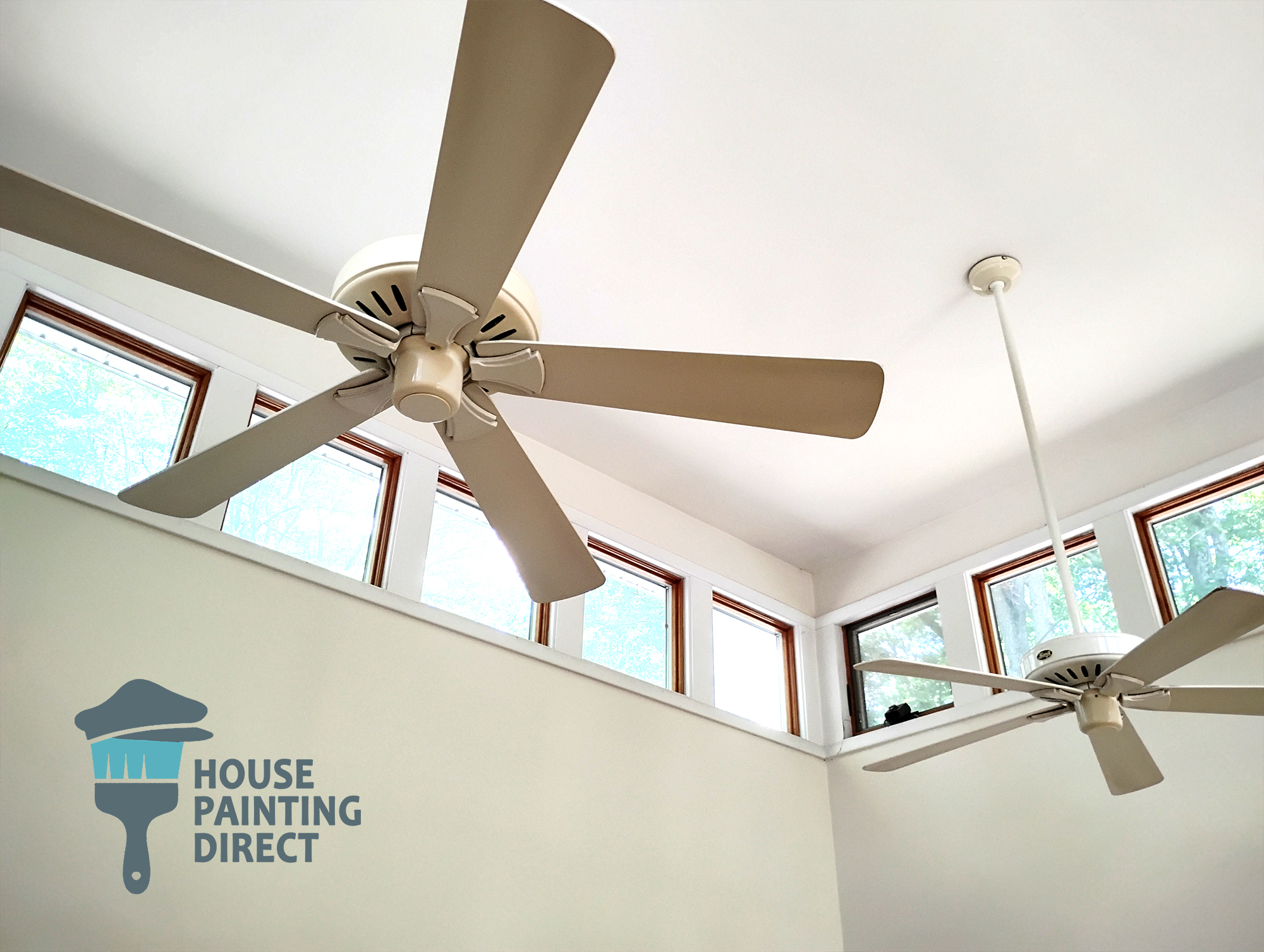
Winter can actually be a great time for interior painting in Harveys Lake. With windows closed and heating systems running, indoor humidity is lower and paint cures evenly. It’s also often easier to schedule contractors during the colder months.
Think About Long-Term Maintenance
In Northeast PA conditions, most quality exterior paint jobs last between 7–10 years — sometimes longer with proper maintenance.
To extend the life of your paint:
- Rinse siding annually
- Trim back trees and bushes
- Address small cracks early
- Inspect caulking every couple of years
Regular upkeep can add several years to your paint job.
Final Thoughts
Painting your home in Harveys Lake isn’t just about improving appearance — it’s about protecting your property from moisture, temperature swings, and seasonal wear. With proper timing, quality materials, and thorough preparation, a paint job can enhance both curb appeal and long-term durability.