
Be Beautiful

Why A Home Buyer’s First Impressions Start with Fresh Paint

Interior & Exterior Painting Tips, Tricks and Local NEPA Stories

Your Landscaping Meets Your Paint

A beautifully painted home can completely change the way a property looks. But even a high-quality exterior paint job is still exposed to everything around it—including the landscaping growing alongside the house.

Trees, shrubs, vines, mulch, irrigation systems, and dense vegetation can all affect painted exterior surfaces. Some effects are purely cosmetic, such as dirt and green staining. Others can contribute to moisture retention, paint deterioration, wood rot, or premature peeling.

For homeowners in Wilkes-Barre, Scranton, Luzerne and Lackawanna counties, landscaping deserves particular attention because NEPA’s seasonal weather creates plenty of moisture, temperature changes, snow, and humidity. A shaded wall surrounded by vegetation can dry very differently from an exposed wall receiving direct sunlight and airflow.

So, how can landscaping affect exterior paint?

The short answer is that landscaping can change how much moisture, dirt, shade, abrasion, and biological growth your exterior surfaces experience. Managing those conditions can help painted surfaces stay cleaner and perform better over time.

Moisture Is the Biggest Concern

Paint and moisture have a complicated relationship.

Exterior paint is designed to protect the underlying surface from weather, but constantly damp conditions can create problems—particularly when moisture becomes trapped against wood or other porous materials.

Landscaping can contribute to that moisture in several ways.

Dense shrubs may sit directly against siding. Tree branches can block airflow. Irrigation may repeatedly spray the same section of the house. Mulch can remain damp against lower trim or siding.

None of these automatically means your paint will fail.

But when several conditions occur together, the exterior may stay wet longer than intended.

Trees Provide Shade—and Change How Paint Weathers

Shade can be wonderful for a home.

It can reduce heat gain and make outdoor spaces more comfortable, particularly during Pennsylvania summers. But shaded exterior walls also tend to dry more slowly after rain, especially when trees are combined with dense shrubs or limited airflow.

This creates an interesting balance.

A wall exposed to strong sunlight may experience more UV exposure and temperature-related movement. A heavily shaded wall may experience more moisture retention and biological growth.

Neither environment is automatically worse.

The important thing is understanding that different sides of the same house can experience very different conditions.

Tree Branches Can Physically Damage Painted Surfaces

Branches do not have to fall on the house to cause problems.

Smaller branches can repeatedly brush against siding and trim when wind moves them. Over time, that friction can wear the paint surface and leave scratches or exposed areas.

This is particularly noticeable on homes surrounded by mature trees, including properties in the wooded communities around the Poconos, Harveys Lake, Mountain Top, and White Haven.

During storms, larger branches also create a more obvious risk.

Keeping trees properly maintained can reduce unnecessary contact between branches and the home’s exterior.

Vines Can Be Especially Hard on Painted Surfaces

Climbing plants can create a dramatic look on older homes and masonry buildings, but they can also complicate exterior maintenance.

Vines may:

  • Trap moisture against the surface
  • Make inspections difficult
  • Hide cracks or damaged areas
  • Interfere with painting
  • Leave organic residue behind
  • Attach themselves to certain surfaces

Removing established vines can also expose underlying damage that was previously hidden.

If a wall needs painting, the vegetation should be evaluated and managed before surface preparation begins rather than simply painted around.

Landscaping Can Affect Wood More Than Paint

Sometimes homeowners notice peeling paint and assume the paint itself is the problem.

But the underlying issue may be moisture affecting the wood.

This can happen around:

  • Window trim
  • Door trim
  • Porch components
  • Fascia
  • Wood siding
  • Exterior corners
  • Lower wall sections

When vegetation stays wet against these areas, the wood may have difficulty drying. If moisture enters through damaged paint, open joints, failed caulk, or other vulnerable areas, deterioration can develop underneath the coating.

Paint cannot repair rotten wood.

If wood has become soft, crumbly, or structurally compromised, the damaged material should be evaluated and appropriately repaired before repainting.

Irrigation Can Prematurely Wear Exterior Paint

Automatic irrigation systems make landscaping much easier to maintain, but sprinkler placement matters.

If sprinklers repeatedly spray siding, doors, trim, or painted masonry, the exterior receives moisture that it was not necessarily designed to experience continuously.

Hard water can also leave mineral deposits after repeated evaporation, creating visible spotting or staining.

Ideally, irrigation should water the landscape rather than the house.

If you notice a recurring wet spot on your siding shortly after the irrigation system runs, adjusting the sprinkler direction may be a simple but worthwhile maintenance improvement.

NEPA’s Seasons Make Exterior Maintenance Important

A home in Wilkes-Barre or Dallas experiences a broad range of seasonal conditions.

Spring brings rain and renewed plant growth. Summer introduces humidity, heat, and thunderstorms. Autumn brings falling leaves and organic debris. Winter adds snow, ice, freezing temperatures, and repeated freeze-thaw cycles.

Landscaping interacts with all of these conditions.

A shrub that is harmlessly positioned during a dry summer may create a moisture issue when autumn leaves accumulate against the siding. A tree branch that looks distant from the house can become a problem once winter weather and strong winds arrive.

Exterior paint maintenance is therefore not just about paint.

It is also about the environment surrounding the painted surface.

A Healthier Landscape Can Help Protect the Finish

Good landscaping and a well-maintained exterior do not have to compete with each other.

Trees can provide valuable shade. Shrubs can add privacy. Gardens can soften architectural lines. Native and established plants can make a property feel deeply connected to its surroundings—something that is especially fitting for homes in the wooded parts of Northeastern Pennsylvania.

The goal is simply to keep the landscape from creating unnecessary moisture, abrasion, or access problems.

A little space and airflow can make a meaningful difference.

The Paint Job and the Property Should Work Together

Exterior paint does not exist in isolation.

The condition of the siding, trim, caulk, drainage, landscaping, and surrounding environment all influence how a painted surface performs. When those pieces work together, maintenance becomes easier and the finish has a better chance of aging gracefully.

For homeowners in Wilkes-Barre, Scranton, Shavertown, Clarks Summit, Dallas, and throughout the Poconos, that means looking beyond the paint color when caring for an exterior.

Trim the branches. Give the walls room to breathe. Keep irrigation off the siding. Watch for moisture. Address damaged wood before painting.

Those small decisions can help protect a much larger investment—and keep a beautifully painted home looking like it belongs in the landscape around it.

4 + 7 =

As a home buyer, first impressions matter more than most sellers realize. The moment I pull up to a property or walk through the front door, I’m already forming opinions—not just about how the home looks, but how well it’s been cared for. One of the biggest factors influencing that first impression is paint.
Exterior Paint Sets Expectations Before I Walk Inside

Before I ever step into a home, I’m judging what I see from the street. Peeling paint, faded siding, or chipped trim immediately raise red flags. Even if the structure is sound, worn exterior paint makes me wonder what other maintenance has been delayed.

Fresh exterior paint, on the other hand, sends a clear message:

  • The home has been maintained
  • The exterior is protected from weather damage
  • The property feels move-in ready

As a buyer, a well-painted exterior makes me more excited to see what’s inside—and more confident that the home has been properly cared for.

What Buyers Notice Immediately

Before I think about square footage, layouts, or finishes, a few things stand out right away as I walk up to and into a home. These details instantly influence whether I feel confident, cautious, or excited about the property.

  • Peeling, cracked, or faded exterior paint that suggests deferred maintenance
  • Clean, freshly painted entryways that feel welcoming and cared for
  • Scuffs, stains, or patchy interior walls that make rooms feel neglected
  • Consistent, neutral paint colors that help the home feel cohesive
  • Trim, doors, and corners with crisp lines that signal professional work

When these elements look right, I relax and focus on the home itself. When they don’t, my attention shifts to what repairs I’ll need to make after buying.


Interior Paint Influences How the Home Feels

Once inside, paint plays a major role in how I experience each room. Clean walls and modern, neutral colors make spaces feel brighter, larger, and more inviting. Scuffed walls, outdated colors, or uneven finishes are distracting and make it harder for me to imagine living there.

Fresh interior paint tells me:

  • The home is clean and updated
  • Rooms feel cohesive rather than patched together
  • I won’t need to repaint immediately after moving in

When a home feels move-in ready, it stands out from others I’ve toured.
Paint Signals Care—and Reduces Doubt

As a buyer, I’m constantly evaluating risk. Poor paint condition makes me question what might be hiding underneath—moisture issues, neglected repairs, or aging materials. Even if those concerns aren’t real, worn paint plants doubt.

A professional-quality paint job reassures me. It shows attention to detail and pride of ownership, which builds trust and makes me feel more comfortable moving forward with an offer.
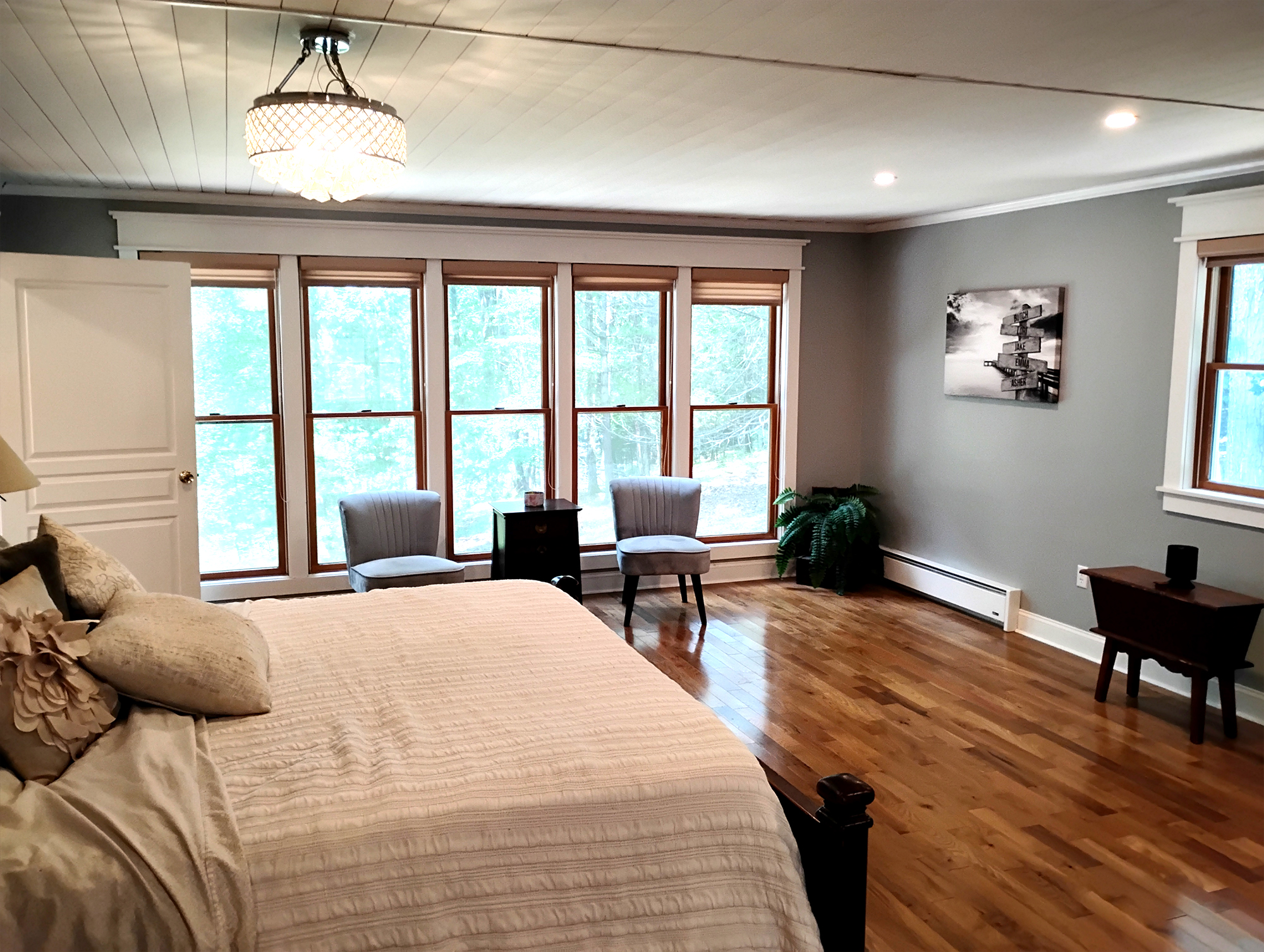
house painting bedroom bedroom walls and window trim

Color Choice Affects My Emotional Response

Color has a powerful effect on how a home feels. Light, neutral tones help me focus on the space itself rather than the seller’s personal style. Overly bold or outdated colors can be polarizing and make it harder to picture my own furniture and décor in the home.

Homes with thoughtfully chosen colors feel more welcoming, modern, and broadly appealing—which matters when I’m comparing multiple properties.
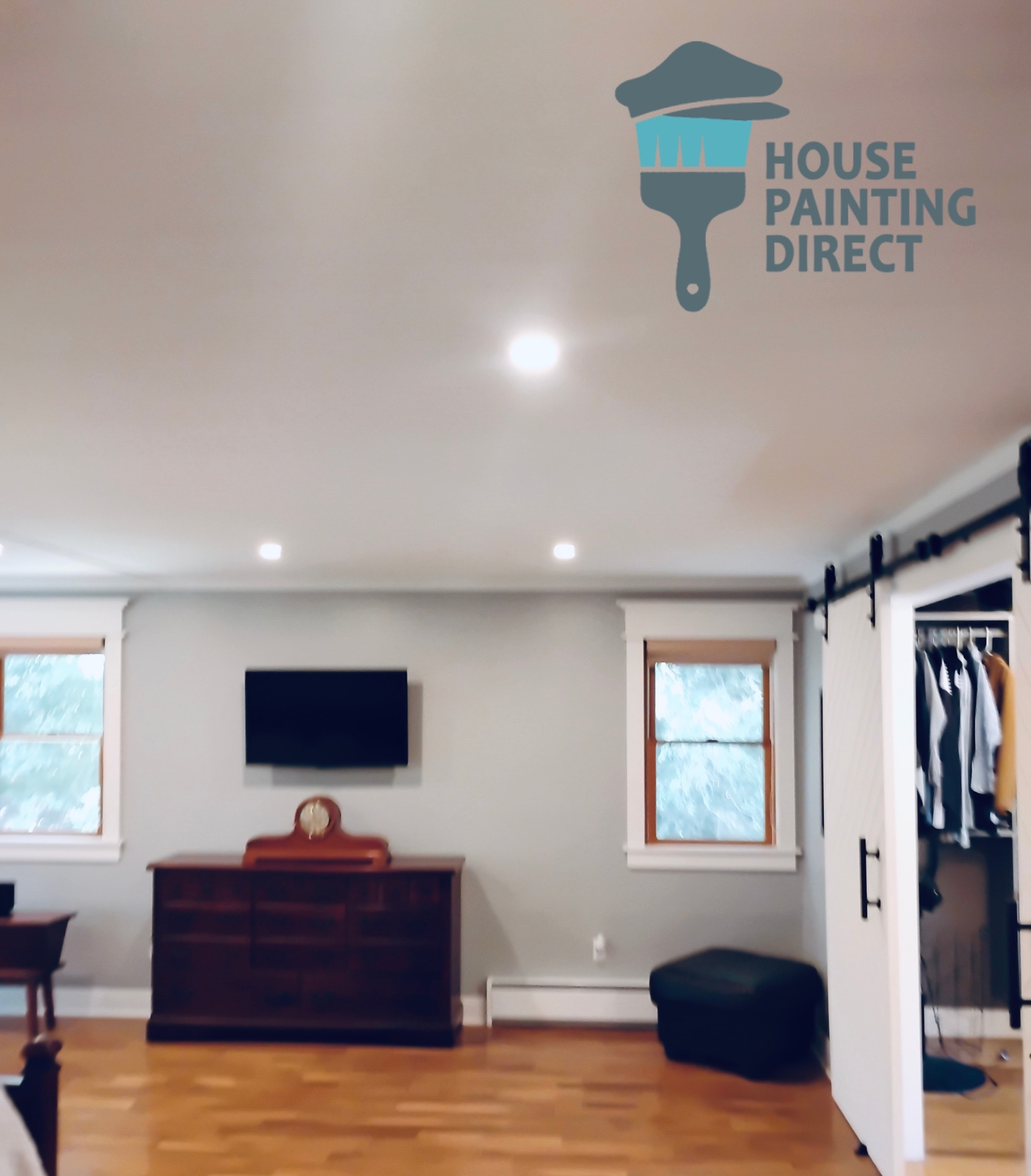
interior house painting bedroom and ceiling and trim

Fresh Paint Adds Real Perceived Value

From a buyer’s perspective, fresh paint is one of the clearest signs that a home is worth its asking price. It reduces the list of immediate projects I’ll need to budget for after purchase and makes the home feel like a safer investment.

A freshly painted home doesn’t just look better—it feels easier to say yes to.

Why Fresh Paint Can Make or Break a Sale

As a buyer, I’m drawn to homes that feel cared for, clean, and ready for the next chapter. Fresh, professional paint helps create that feeling instantly. It lowers hesitation, builds confidence, and often separates a home I like from one I’m ready to make an offer on.