First Impressions Shape Everything
When homeowners prepare to sell, they often focus on major upgrades—new countertops, bathroom remodels, or landscaping projects. Yet one of the most influential improvements buyers notice is often one of the simplest: fresh paint.
Whether someone is walking through a home in Dallas, touring a lake property near Harveys Lake, or viewing a mountain home in the Poconos, paint affects how they perceive the entire property. It influences first impressions, perceived maintenance, emotional response, and even a buyer’s sense of value.
Fresh paint doesn’t merely change color. It changes perception.

Buyers Make Judgments Faster Than Most Sellers Realize
Real estate professionals have long observed that buyers begin forming opinions within moments of arriving at a property. Before they inspect mechanical systems, evaluate square footage, or compare features, they notice visual cues.
Paint is one of the most obvious.
A freshly painted home often communicates:
- Cleanliness
- Care and maintenance
- Pride of ownership
- Attention to detail
- Move-in readiness
Conversely, peeling paint, faded colors, scuff marks, and visible wear can create concerns that extend far beyond the paint itself.
Many buyers subconsciously wonder:
“If the paint has been neglected, what else hasn’t been maintained?”
That assumption may not be fair, but it is remarkably common.
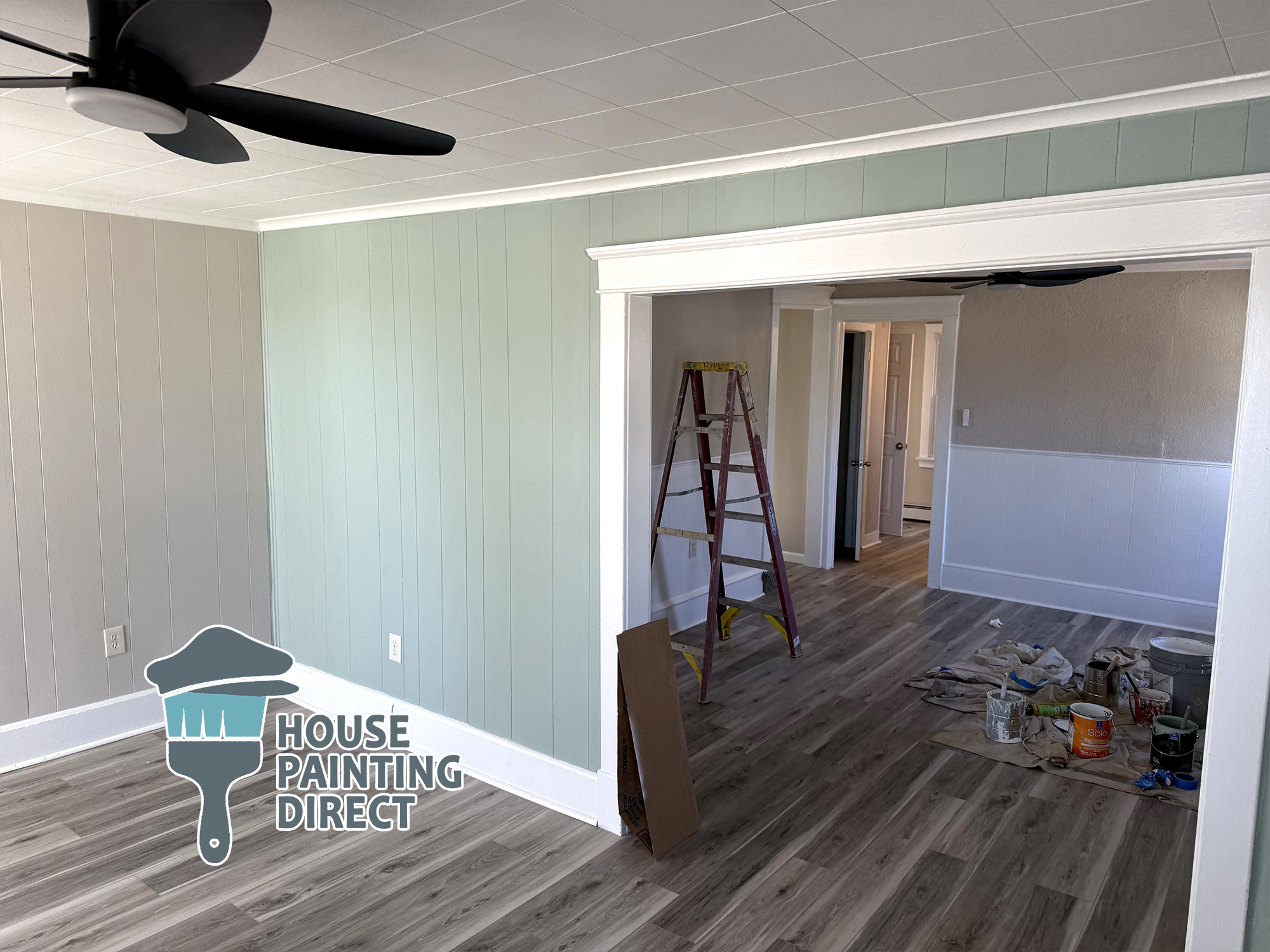
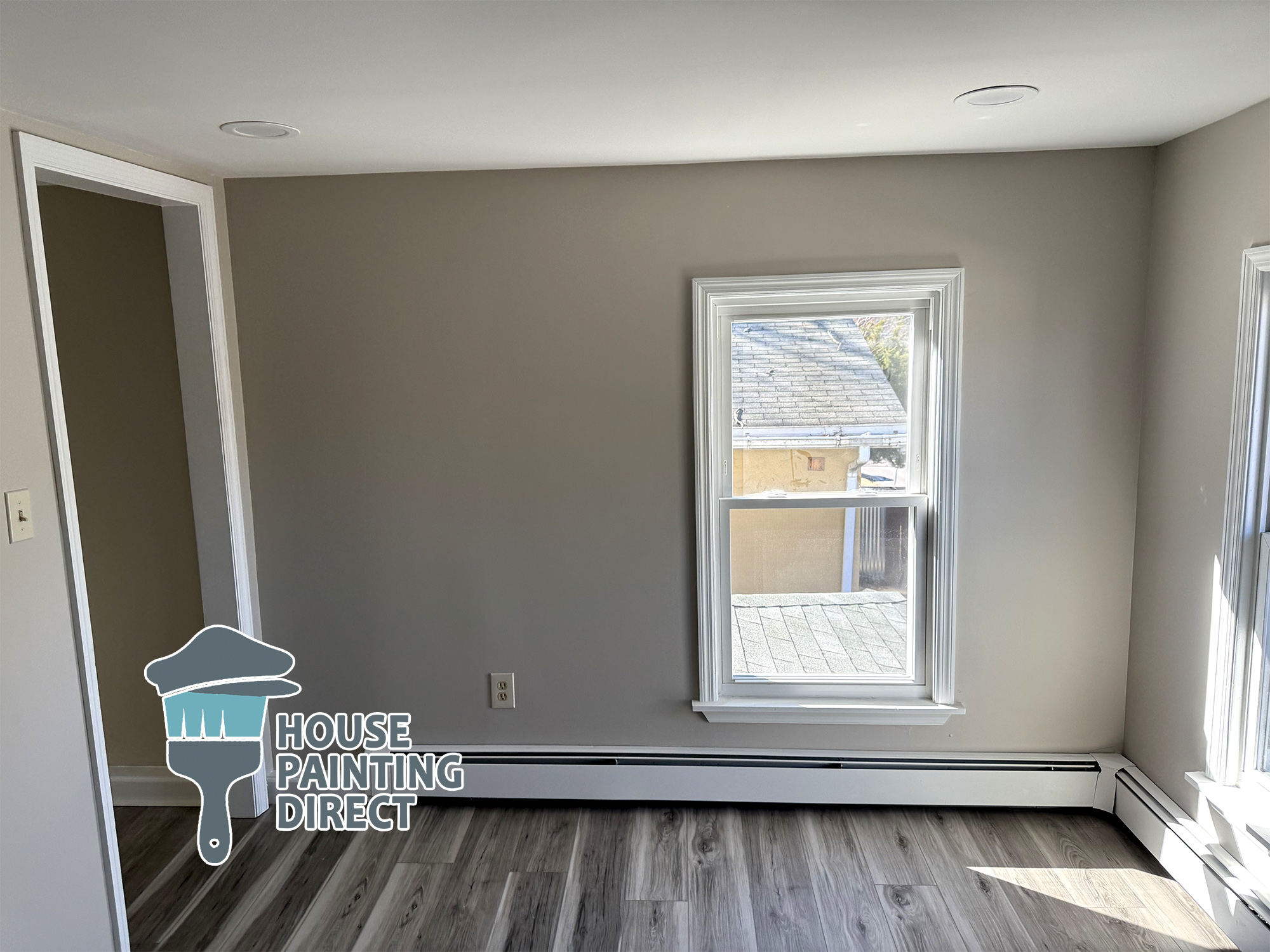
Fresh Paint Creates a Sense of Confidence
Buying a home is both a financial and emotional decision.
While buyers analyze mortgage payments and property values, they are also imagining daily life within the space. The more comfortable and confident they feel, the stronger their connection becomes.
Fresh paint removes distractions.
Instead of focusing on wall damage, outdated colors, stains, or chipped trim, buyers can focus on the home’s layout, natural light, architectural features, and overall potential.
This shift in attention is powerful.
A clean, freshly painted room feels cared for. Buyers tend to spend more time appreciating the space rather than mentally calculating future projects.
The Psychology Behind Neutral Colors
One reason fresh paint has such a significant impact is that it helps create a neutral canvas.
Many homeowners develop highly personal color preferences over the years. While those choices may reflect individual style, they don’t always appeal to prospective buyers.
Neutral tones help solve that challenge.
Popular choices often include:
- Warm whites
- Soft greiges
- Light taupes
- Muted earth tones
- Gentle gray-beige blends
These colors allow buyers to imagine their own furniture, artwork, and personal style within the home.
Rather than feeling like they are walking through someone else’s space, they begin envisioning their own future there.
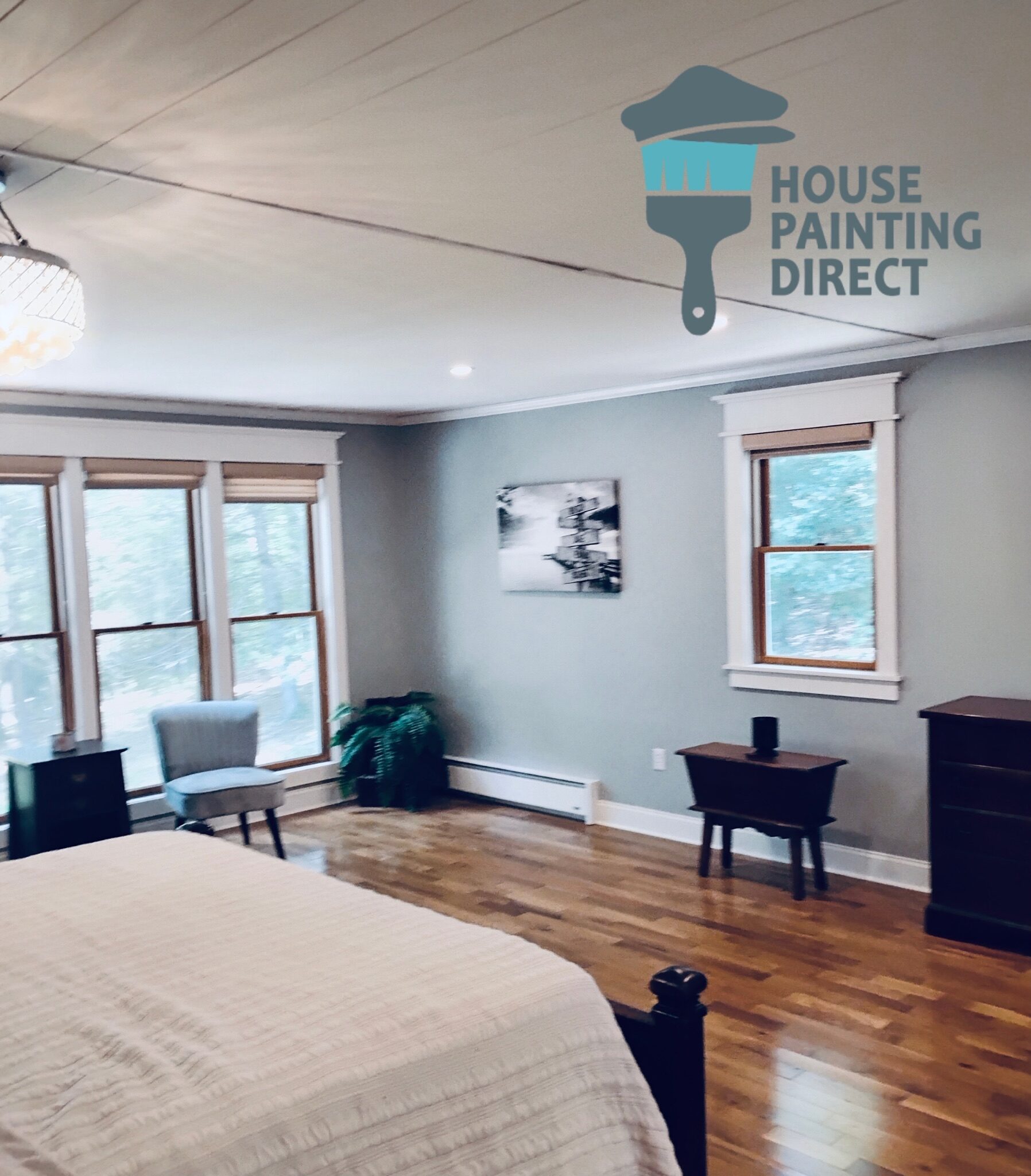
Interior Paint Affects Perceived Home Condition
Paint serves as one of the largest visual surfaces in any home.
Because walls, ceilings, trim, doors, and cabinetry occupy so much visual space, their condition significantly influences how buyers evaluate overall quality.
Consider the difference:
|
Fresh Paint |
Worn Paint |
|
Bright and clean |
Dull and aged |
|
Well-maintained appearance |
Signs of neglect |
|
Move-in ready feel |
Future work required |
|
Reflects light effectively |
Makes rooms feel darker |
|
Creates consistency |
Highlights imperfections |
Even when two homes have similar layouts and features, the one with fresh paint often feels newer and better cared for.
Exterior Paint Matters Before Buyers Ever Enter
Curb appeal remains one of the strongest influences in residential real estate.
Long before buyers see the kitchen or primary bedroom, they see the exterior.
Throughout Northeast Pennsylvania, homes endure significant weather exposure:
- Heavy snow
- Freeze-thaw cycles
- Summer humidity
- UV exposure
- Seasonal storms
Over time, these conditions can leave exterior surfaces faded, chalky, peeling, or worn.
Fresh exterior paint immediately signals protection and maintenance.
For homes tucked into wooded settings around White Haven, Mountain Top, and the Poconos, a professionally painted exterior often stands out beautifully against the natural landscape while reassuring buyers that the home has been properly cared for.
Buyers Are Looking for Move-In Ready Homes
One trend that continues across many housing markets is the demand for move-in-ready properties.
Many buyers are balancing busy careers, family responsibilities, and rising renovation costs. They often prefer homes that require minimal immediate work.
Fresh paint helps satisfy that expectation.
Buyers See Convenience
When walls, trim, and exterior surfaces look freshly maintained, buyers feel they can settle into the home without immediately hiring contractors or tackling renovation projects.
Buyers See Savings
Even relatively affordable projects like painting represent time, effort, and expense for a new homeowner.
A freshly painted home eliminates one more item from their future to-do list.
Fresh Paint Supports Higher Perceived Value
Value is not determined solely by square footage or comparable sales.
Perceived value plays a major role in buyer behavior.
When a property appears clean, maintained, and updated, buyers often view it as more valuable—even when no major structural changes have occurred.
Fresh paint contributes to this perception because it enhances:
- Appearance
- Condition
- Presentation
- Buyer confidence
- Emotional appeal
The cumulative effect can be surprisingly significant.
A Quiet Upgrade With a Powerful Impact
Some home improvements announce themselves immediately. Others work more subtly.
Fresh paint falls into the second category.
It doesn’t change the floor plan. It doesn’t add square footage. It doesn’t create a dramatic renovation story.
What it does is create an environment that feels clean, cared for, and ready for its next chapter.
For buyers touring homes throughout Luzerne County, Lackawanna County, and the surrounding NEPA region, that feeling matters. It influences first impressions, shapes confidence, and helps transform a house from something they are evaluating into a place they can genuinely picture calling home.
That is why buyers notice fresh paint—and why its impact often extends far beyond the walls themselves.