
Be Beautiful

Why Getting Your House Painted in Dallas, PA Is Worth It

Interior & Exterior Painting Tips, Tricks and Local NEPA Stories

Let the Masonry Lead

Stone and brick give a home something paint alone cannot: texture, permanence, and natural variation. They can make a property feel established and connected to its surroundings, particularly in Northeastern Pennsylvania, where older homes often combine masonry with painted siding, trim, shutters, porches, and other architectural details.

But those same qualities can make exterior color selection more complicated.

Stone and brick are rarely one flat color. A single wall may contain several shades of gray, brown, tan, red, cream, or even subtle blue and green undertones. Choosing a paint color that looks attractive on a small sample can therefore produce a very different result once it is placed beside the masonry.

The best approach is usually not to find a paint color that matches the brick or stone.

Instead, find one that works with it.

For homeowners in Wilkes-Barre, Scranton, Dallas, Shavertown, Mountain Top, White Haven, and the surrounding Poconos, this distinction can make all the difference between an exterior that feels naturally coordinated and one where the painted areas seem disconnected from the masonry.

What Is an Accent Color on a Home Exterior?

The Difference Between Matching and Coordinating

Trying to match brick or stone exactly is often unnecessary — and sometimes impossible.

Natural masonry contains too much variation for a single paint color to reproduce it accurately.

Coordination is a better strategy.

For example, if your stone contains warm gray, cream, and brown tones, a soft greige may coordinate beautifully without looking like an attempt to imitate the stone.

Likewise, if your brick has deep red and brown tones, a muted green or warm charcoal can provide contrast while still feeling connected to the masonry.

Think of the exterior as a palette rather than a collection of separate materials.

Why Accent Colors Affect Curb Appeal

A home exterior is something people typically see from a distance before they notice individual details.

The primary siding or exterior color establishes the overall impression. Accent colors then help the eye understand where to look.

A darker front door can make the entryway feel more prominent. Contrasting shutters can frame windows. A carefully selected trim color can emphasize rooflines, dormers, or other architectural features.

In design terms, contrast creates visual hierarchy.

Instead of every exterior element receiving equal attention, the accent color tells the eye which features deserve emphasis.

That can make an otherwise plain exterior feel more architectural and considered.

Choosing White Paint Around Brick and Stone

White is one of the most popular exterior paint choices, but “white” is not one color.

Some whites have strong yellow undertones. Others lean gray, blue, cream, or beige.

This becomes especially noticeable beside masonry.

A bright, cool white may look crisp beside cool gray stone but can appear harsh next to warm red brick.

A softer warm white may blend beautifully with traditional brick but look yellow against certain cool-toned stones.

Before selecting white exterior paint, examine the masonry in natural light.

A white sample should be tested directly against the brick or stone whenever possible.

Consider the Roof, Too

Brick and stone are not the only permanent materials affecting exterior color.

The roof is another major visual element that typically remains in place for many years.

If the home has a dark charcoal roof, for example, a warm tan exterior may need different supporting colors than it would with a brown roof.

Consider the relationship between:

Masonry + Roof + Paint + Trim + Landscaping

These elements do not need to match.

They need to make sense together.

A home with red brick, a dark gray roof, cream trim, and muted green shutters can have significantly more visual depth than one where every element is painted a similar shade.

Consider the Roof, Too

Brick and stone are not the only permanent materials affecting exterior color.

The roof is another major visual element that typically remains in place for many years.

If the home has a dark charcoal roof, for example, a warm tan exterior may need different supporting colors than it would with a brown roof.

Consider the relationship between:

Masonry + Roof + Paint + Trim + Landscaping

These elements do not need to match.

They need to make sense together.

A home with red brick, a dark gray roof, cream trim, and muted green shutters can have significantly more visual depth than one where every element is painted a similar shade.

Accent Colors Should Support the Masonry

Once the main paint color has been selected, accent colors can provide another layer of definition.

Common accent areas include:

  • Front doors
  • Shutters
  • Garage doors
  • Porch railings
  • Window trim
  • Gables
  • Architectural details

The accent color can pick up a subtle tone from the brick or stone.

For example, a stone facade containing small amounts of dark charcoal might provide the inspiration for a charcoal front door.

A brick exterior with subtle dark brown tones might pair beautifully with a deep brown or muted green accent.

This creates a visual connection without making the entire exterior look overly coordinated.

Don’t Ignore Mortar Color

One detail homeowners sometimes overlook is the mortar between bricks or stones.

Mortar can have a surprisingly strong influence on how the masonry appears from a distance.

Light mortar can make brickwork appear brighter and softer. Darker mortar can emphasize individual bricks and create stronger contrast.

That means the overall appearance of the masonry is not determined by the brick or stone itself.

When selecting paint, consider the mortar as part of the visual field.

A warm white exterior may relate beautifully to light mortar, while a cooler gray could create a more contemporary contrast.

Color Choices for Wooded Homes in the Poconos

Homes in wooded areas have a particularly rich backdrop.

Instead of treating the trees as a challenge, use them as part of the color selection process.

Deep greens, natural grays, muted taupes, warm creams, and earthy neutrals can create a strong relationship between the home and its surroundings.

For a property surrounded by mature trees, a very bright exterior may create dramatic contrast. That can be beautiful, but it should be intentional.

A softer palette can create a quieter, more integrated appearance.

There is no requirement that a house in the woods look rustic.

A sophisticated neutral palette can feel just as appropriate while giving the property a polished presence.

The Bottom Line

Brick and stone give a home a head start when it comes to character. The right paint color should preserve that character while creating a cohesive relationship between masonry, siding, trim, roofing, and the surrounding landscape.

The most successful exterior palettes do not try to make every material look the same.

They let each material do its job.

Brick can provide warmth and texture. Stone can provide natural variation and permanence. Paint can frame those materials, highlight architecture, and introduce just enough contrast to make the entire exterior feel finished.

For homes throughout NEPA — from established neighborhoods around Wilkes-Barre to wooded properties near Harveys Lake and the Poconos — the surrounding environment is part of the design.

Start with what is already there.

Study the brick. Look closely at the stone. Notice the roof, mortar, landscaping, and natural light. Then choose paint colors that support those elements rather than fighting them.

4 + 14 =

Painting your house isn’t just about choosing a new color — it’s one of the smartest investments a homeowner in Dallas, PA can make. Whether you’re preparing to sell, refreshing an older home, or protecting your investment, professional painting delivers both immediate and long-term value.
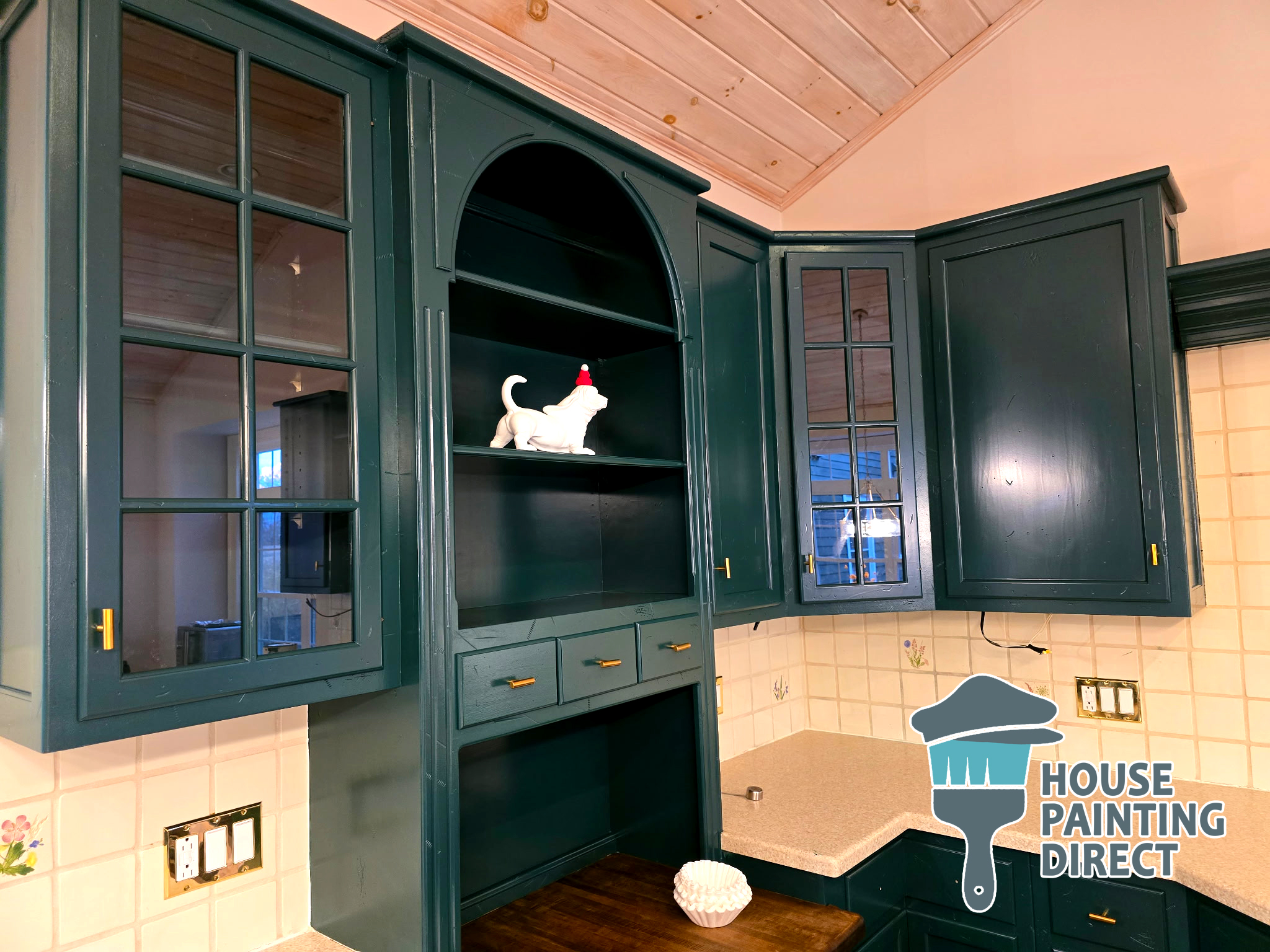
Hunter Green Cabinet Painting Residential House Painting Kitchen Cabinet Dallas PA
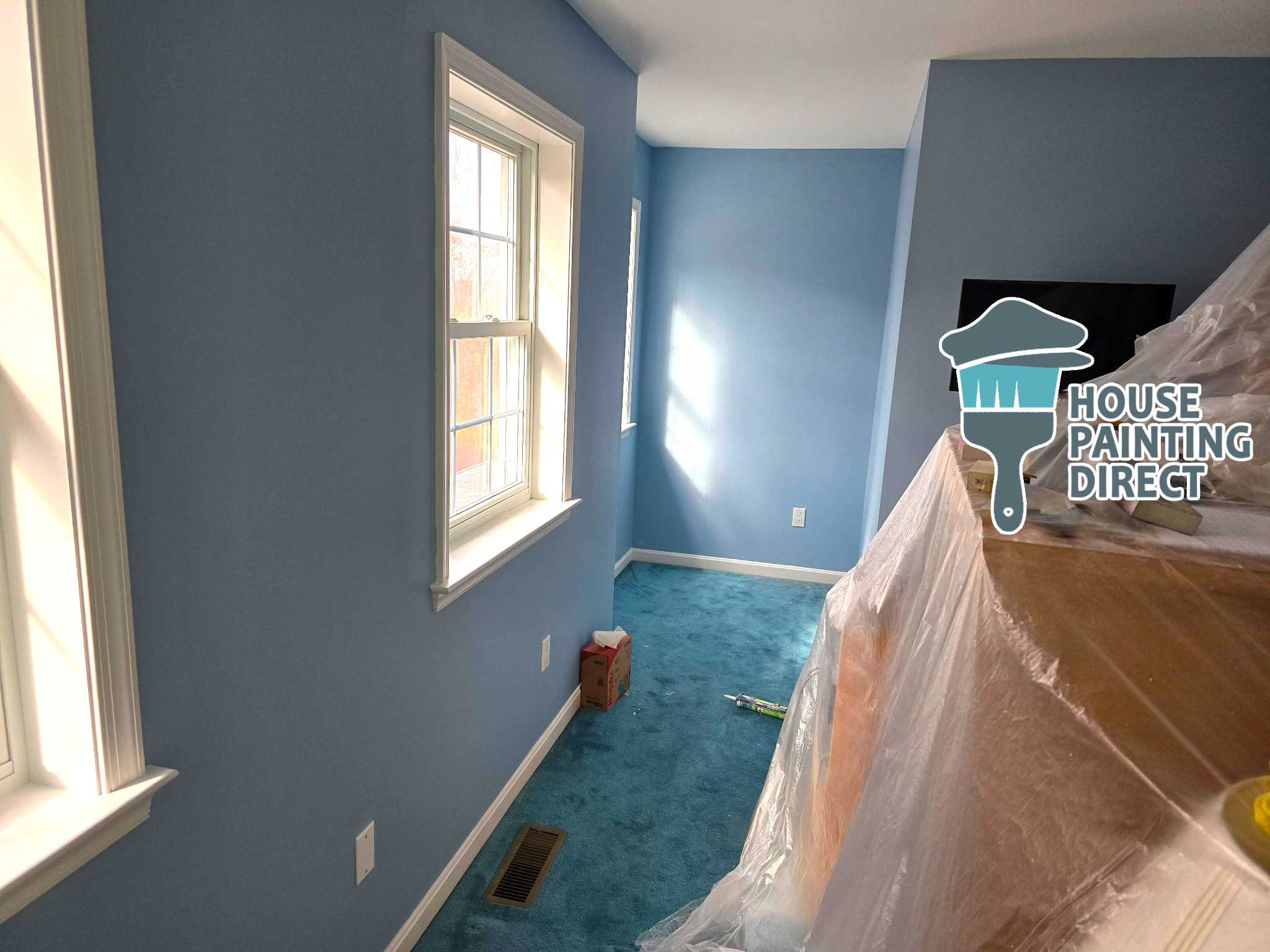
House Painting Near Wilkes-Barre Direct Residential Painting Interior Blue walls repairs drywall trim ceiling

Boost Curb Appeal and First Impressions

A fresh paint job instantly improves how your home looks from the street. In a community like Dallas, PA, where charming older homes and well-kept neighborhoods set high expectations, quality painting helps your property stand out.
👉 Buyers and visitors form opinions about your home within seconds — and a clean, updated exterior sends a positive message before anyone even steps inside.
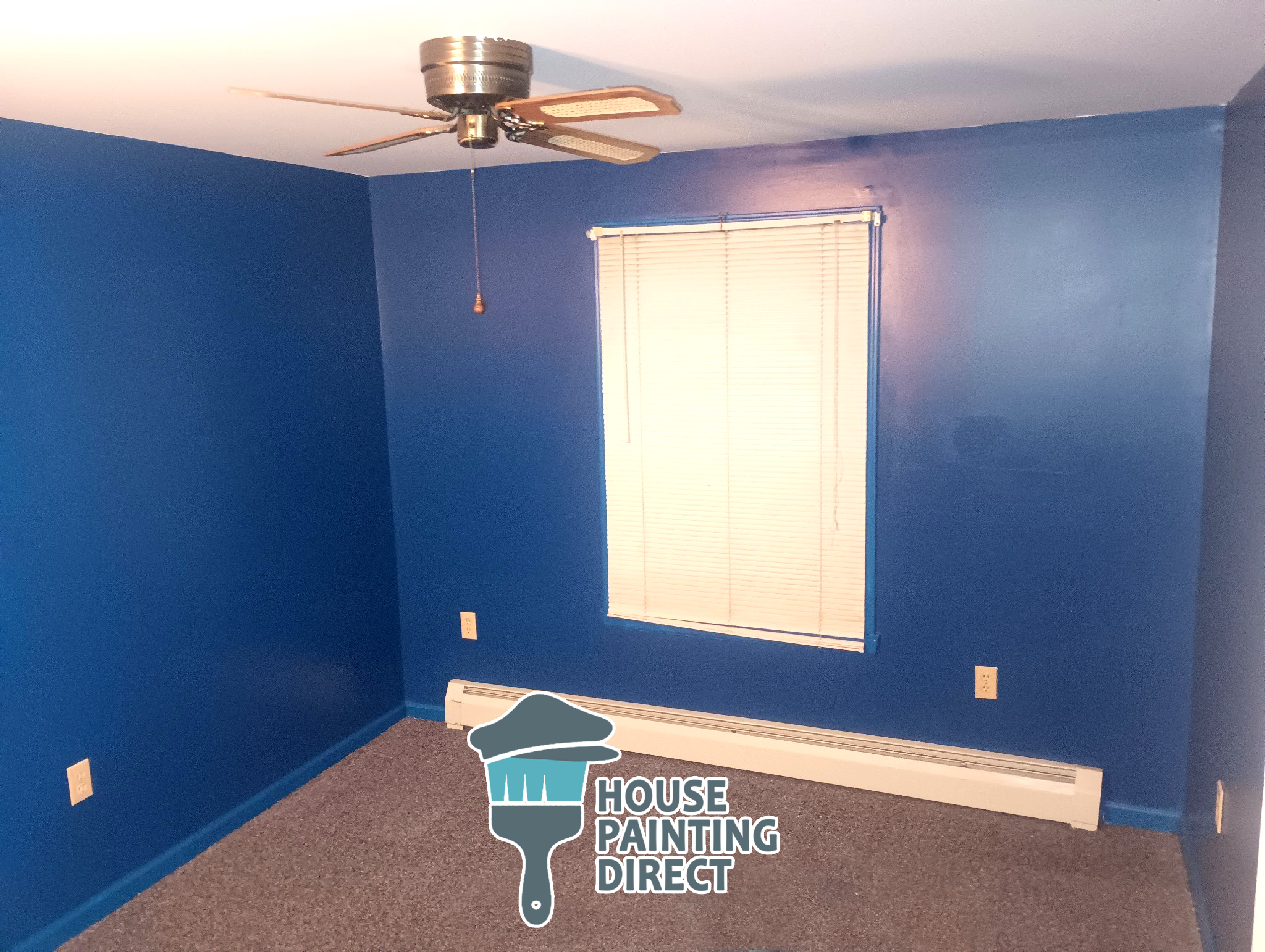
residential interior house painting kingston pa full house walls and ceilings blue color change

Increase Your Home’s Market Value

If you’re planning to sell or refinance, painting can directly impact how much your home is worth. Neutral, modern colors help prospective buyers visualize themselves in the space — which often leads to higher offers.
According to real estate trends, homes with updated paint typically sell faster and closer to list price than those with faded or outdated finishes.

 Protect Your Home From the Elements

Dallas, PA experiences a full range of seasonal weather — hot summers, cold winters, wind, and moisture. Over time, sun, rain, and snow break down your home’s exterior surfaces.
Professional paint:

  • Seals and protects siding from moisture damage
  • Prevents wood rot and mold growth
  • Shields against UV fading and cracking

This protective layer helps you avoid costly repairs down the road.

 Improve Interior Comfort and Health

Interior painting isn’t just cosmetic. Old paint can trap dust, smoke residue, and allergens. A fresh coat — especially with low-VOC or zero-VOC paints — improves indoor air quality and makes your living spaces feel brighter and cleaner.
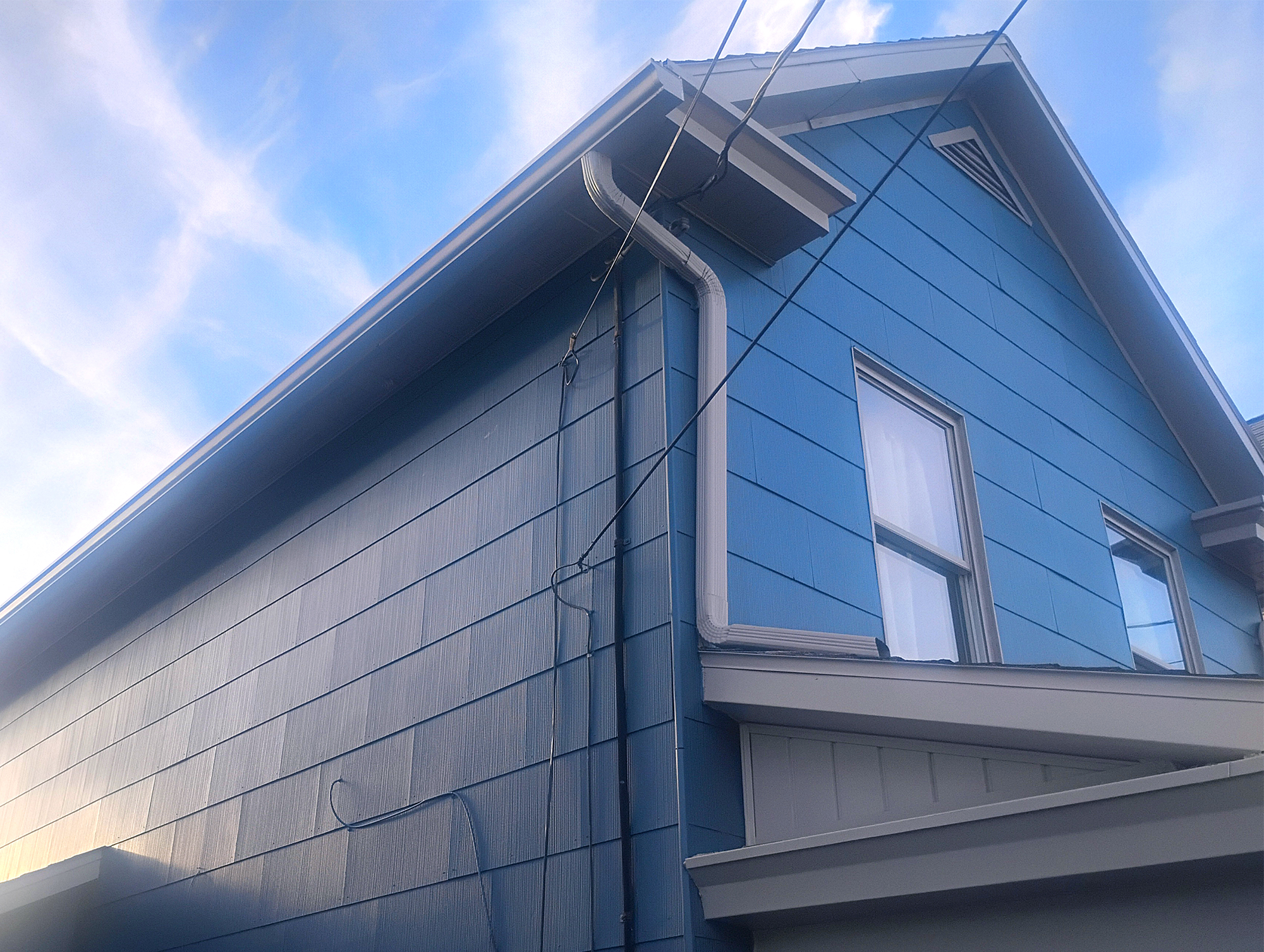
residential house painting wilkes-barre pa exterior painting house home blue siding painting web
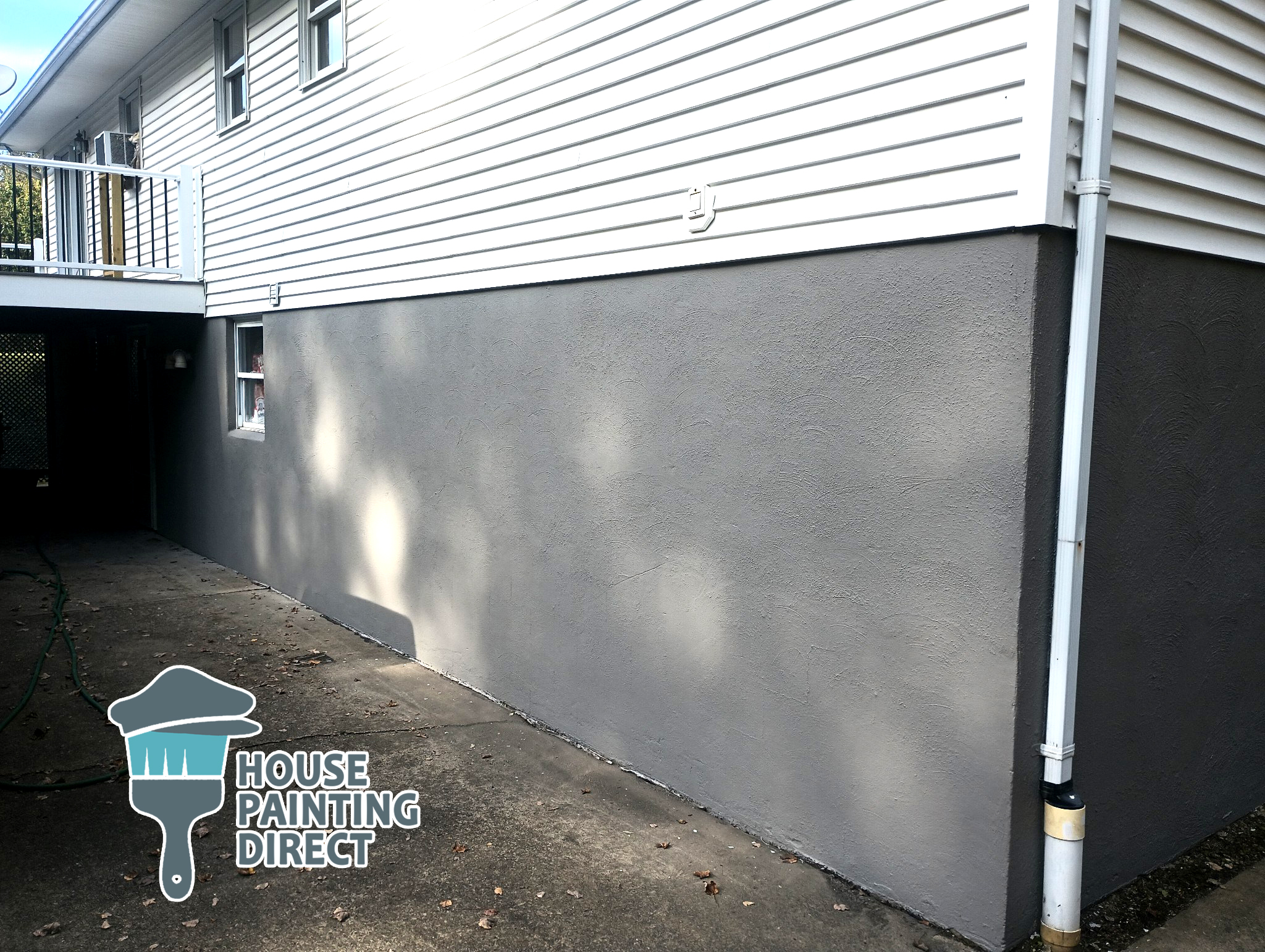
scranton pa residential house painting exterior foundation seal and coat and painting weather tight water tight

Save Time and Avoid DIY Headaches

Painting sounds easy — until you’re balancing ladders, scraping old paint, covering furniture, and cleaning up weeks later. Hiring a professional painting contractor means:

✔ Proper surface preparation
✔ Expert color consultation
✔ Faster, cleaner results
✔ Quality workmanship that lasts

Professionals also use the right tools and techniques to ensure even coverage and fewer touch-ups.

Customize and Modernize Your Home’s Style

Trends change — and what looked fresh five, ten, or fifteen years ago might now look dated. Painting gives you a chance to:

Update color schemes
Highlight architectural details
 Coordinate with landscaping and accents

A modern color palette can completely transform the look and feel of your home without major renovations.
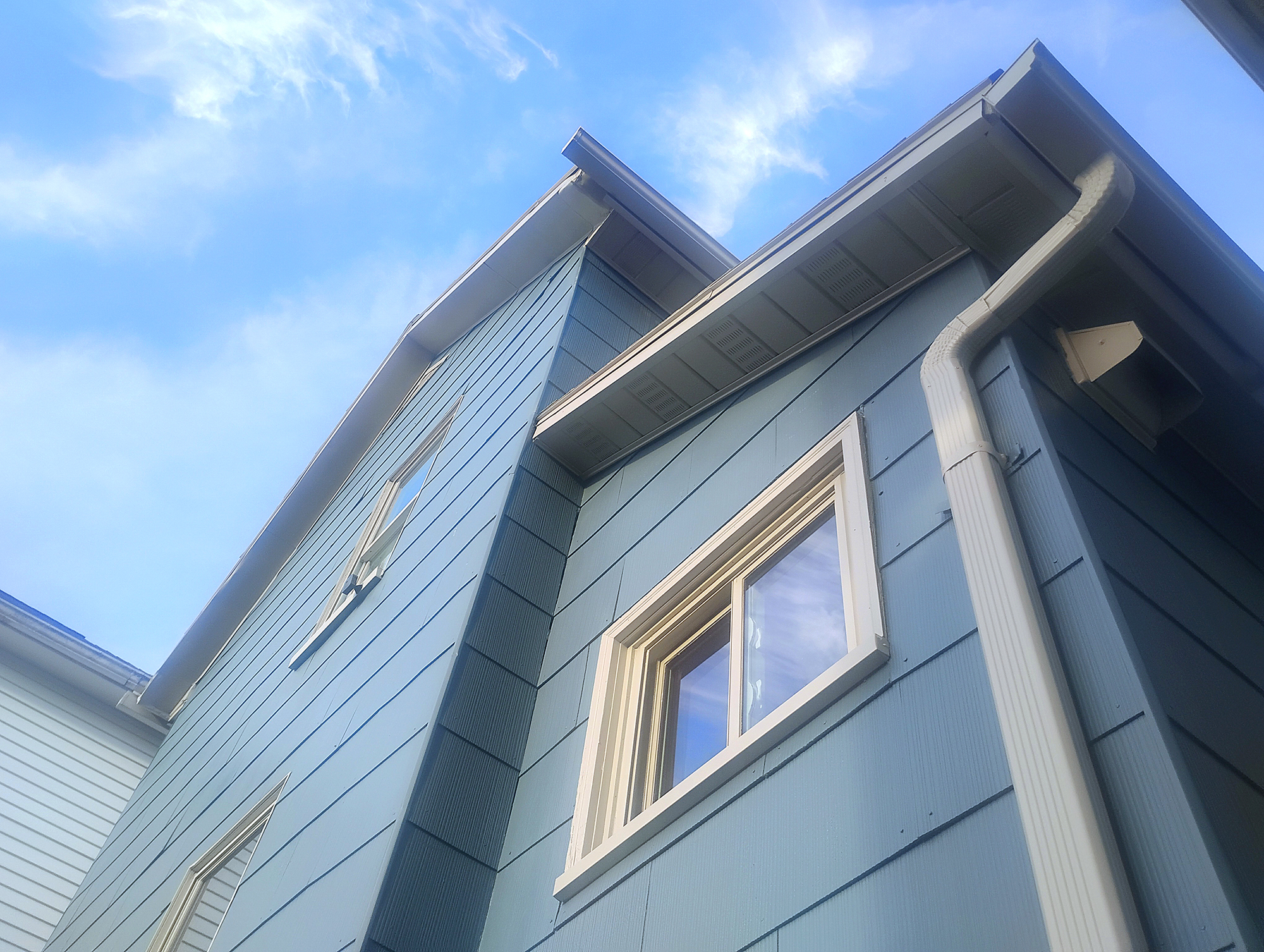
residential house painting blue cement siding panels light grey trim wilkes-barre pa painter web

 Long-Lasting Return on Investment

Compared to many home improvement projects, painting is relatively affordable and delivers a strong return. With proper prep and quality materials, a professional paint job can last 10 years or more — making it one of the most cost-effective ways to refresh your home.

Final Thoughts

Investing in professional house painting in Dallas, PA is more than an aesthetic choice — it’s smart homeownership. You protect your property, improve comfort and health, enhance market value, and create a home you’re proud of.

If you’re ready to explore color options, get a quote, or plan your painting project, I can help you draft a call-to-action or service page next.