
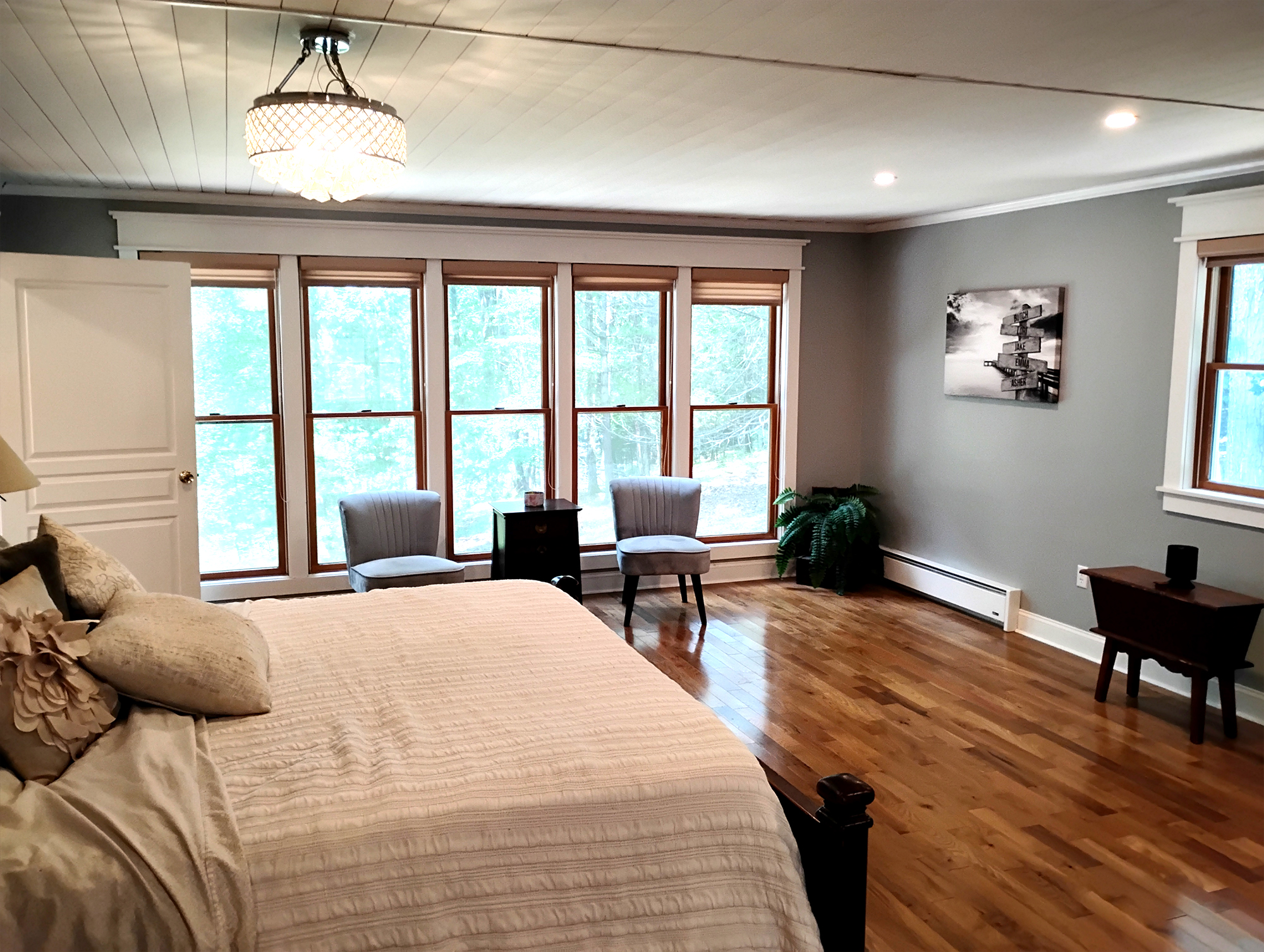
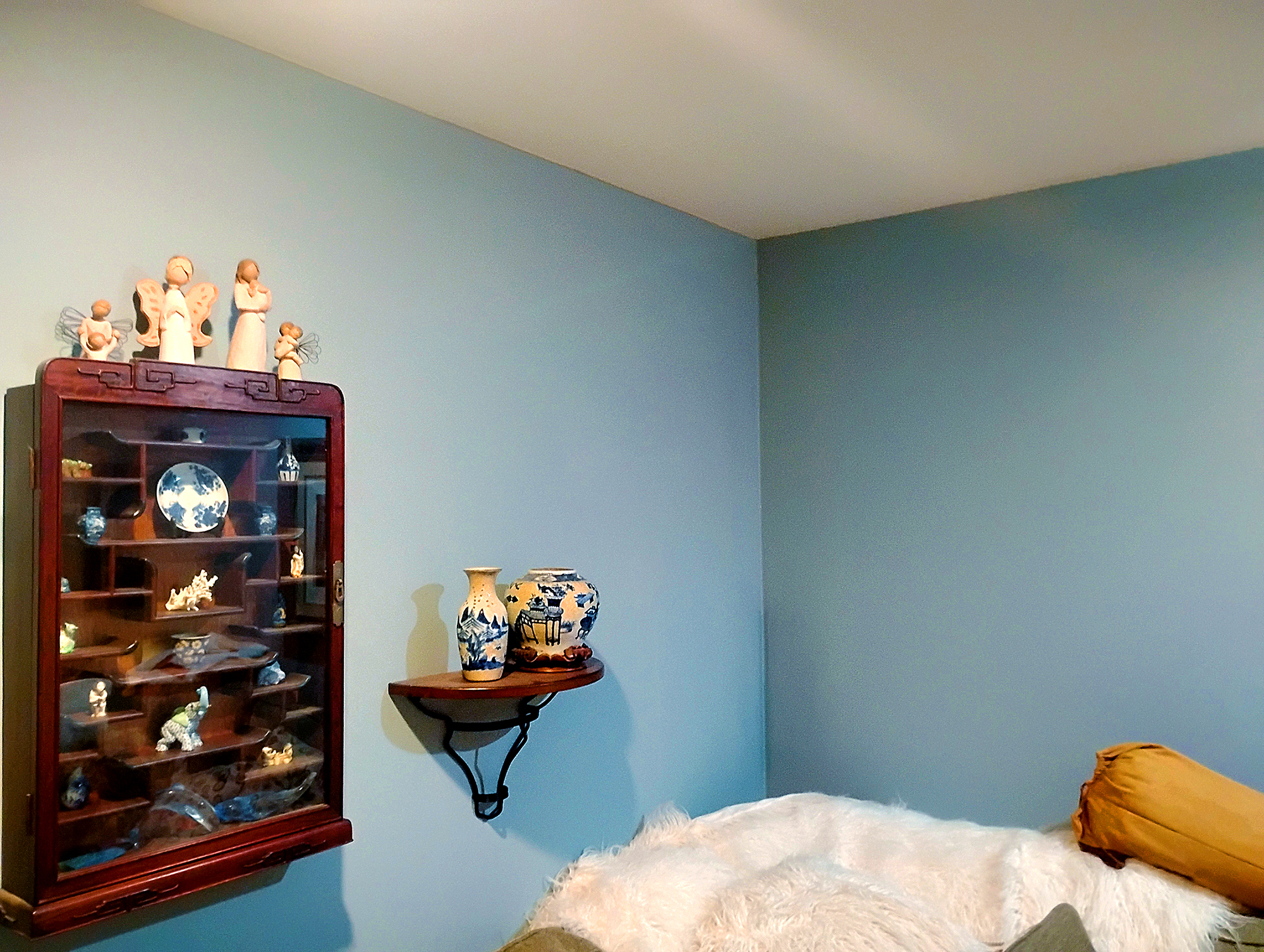
A Season Built for Interior Work
In Northeastern Pennsylvania, winter has a way of shifting how we use our homes. Windows stay closed, routines move indoors, and spaces that felt fine in passing suddenly get more attention.
It’s also one of the most overlooked opportunities for interior painting.
While exterior work pauses across places like Wilkes-Barre, Scranton, and the surrounding Back Mountain communities, interior environments become surprisingly controlled—and in many ways, ideal. When approached correctly, winter painting can produce some of the cleanest, most refined results of the year.
Controlled Conditions Make a Difference
Painting is often thought of as a warm-weather task, but interior work follows a different set of rules. What matters most isn’t the season—it’s the environment inside the home.
During winter, that environment tends to be:
- Consistent in temperature
- Protected from humidity swings
- Free from outdoor contaminants like pollen and dust
Heating systems keep interiors within a stable range, which allows paint to dry evenly and predictably. That consistency is something harder to achieve in spring or summer when windows are open and humidity fluctuates throughout the day.
Seasonal Comparison
|
Factor |
Summer Interior Painting |
Winter Interior Painting |
|
Humidity |
Often high and variable |
Lower and more stable |
|
Airflow |
Open windows, inconsistent |
Controlled indoor circulation |
|
Drying Conditions |
Can be uneven |
More consistent curing |
The result is often a smoother finish with fewer surprises.
The Role of Humidity Indoors
Humidity doesn’t disappear in winter—it just changes.
In many NEPA homes, especially older ones in areas like Kingston, Forty Fort, or Clarks Summit, heating systems can actually dry the air out significantly. That can work in your favor, but it also requires balance.
Too much moisture slows drying.
Too little can cause paint to set too quickly.
A well-managed interior strikes the middle ground:
- Moderate humidity levels
- Steady airflow (not drafts)
- Even heat distribution
This is where attention to detail matters. Subtle environmental adjustments—like using a humidifier in one room or slightly adjusting airflow—can influence how a finish ultimately looks.
Odor, Ventilation, and Modern Paints
One concern that often comes up with winter painting is ventilation. With windows closed, homeowners naturally wonder about paint odors lingering indoors.
Modern coatings have come a long way.
Many high-quality paints now offer:
- Low-VOC or zero-VOC formulations
- Reduced odor during and after application
- Safer indoor air quality overall
Still, airflow matters. Even in winter, controlled ventilation—cracking a window briefly, using fans strategically—helps maintain comfort without compromising the curing process.
Sun Exposure vs. Shade in NEPA Homes
A Different Kind of Visibility
Winter light is softer. Days are shorter. And that changes how painted surfaces are perceived.
In a way, this becomes an advantage.
Subtle imperfections that might be washed out in bright summer light can become more noticeable in winter’s angled daylight and evening interior lighting. Addressing them during this season often leads to a more refined, detail-conscious finish.
It’s also why color selection behaves differently.
How Colors Feel in Winter
Paint color isn’t static—it responds to light, surroundings, and season.
In winter:
- Natural light is cooler and less intense
- Artificial lighting plays a bigger role
- Shadows are softer but more present
This can make certain tones feel:
- Slightly deeper or richer
- Warmer hues more inviting
- Cool grays more pronounced
Quick Insight
“Will my color look the same year-round?”
Not exactly. It will shift subtly with lighting conditions—but choosing and applying it in winter often gives you a more realistic sense of how it will feel during the months you spend indoors the most.
Timing Around Daily Life
Interior painting in winter isn’t just about conditions—it’s about how it fits into everyday living.
With more time spent indoors, scheduling becomes more personal:
- Rooms may need to be rotated or staged
- Work often happens in sections rather than all at once
- Comfort and routine are part of the equation
There’s a rhythm to winter projects that’s different from the fast pace of summer exteriors. It tends to be more deliberate, more thoughtful.
When Winter Painting Requires Extra Attention
While winter offers advantages, it isn’t without nuance.
A few conditions require closer awareness:
- Cold exterior walls can affect how interior surfaces hold temperature
- Drafts near windows or doors may influence drying patterns
- Uneven heating in certain rooms can create slight variations in curing
None of these are deal-breakers—but they reinforce the idea that winter painting is less about rushing and more about reading the space correctly.
A Season That Rewards Precision
There’s a quiet quality to winter work. Fewer distractions, steadier conditions, and more time spent inside the very spaces being refined.
For homeowners across Wilkes-Barre, Scranton, and the surrounding NEPA communities—from the tighter city blocks to the wooded homes out near Harveys Lake or the Poconos—this season offers something unique:
A chance to focus inward.
Interior painting in winter isn’t about squeezing in a project during the off-season. It’s about taking advantage of a moment when the environment is stable, the details are visible, and the results can be thoughtfully executed.
And when done with that level of care, the finish tends to last—not just physically, but in how the space feels every day afterward.