Be Beautiful

How Lighting Changes the Way Paint Colors Look

Interior & Exterior Painting Tips, Tricks and Local NEPA Stories

Your Landscaping Meets Your Paint

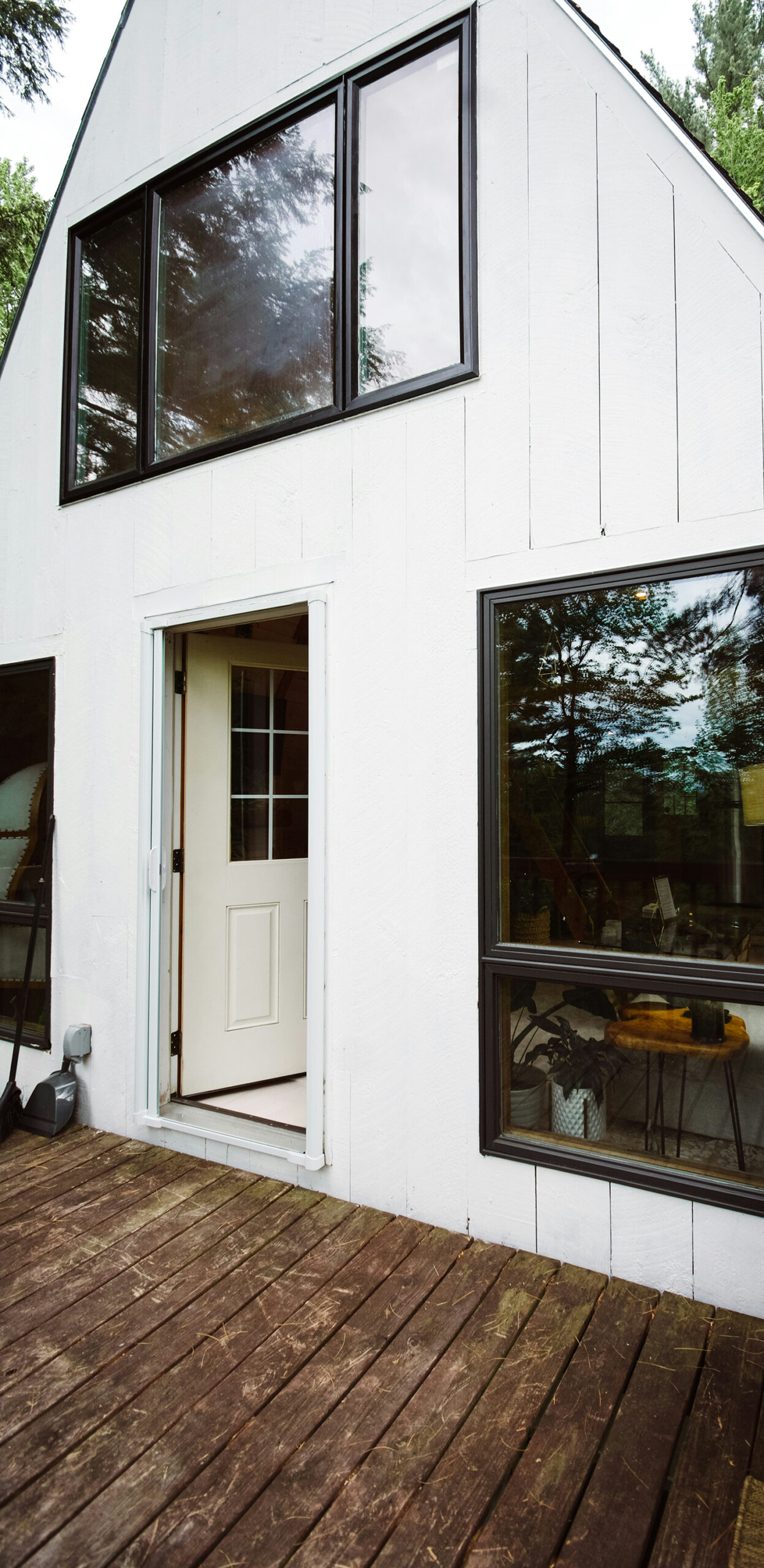
A beautifully painted home can completely change the way a property looks. But even a high-quality exterior paint job is still exposed to everything around it—including the landscaping growing alongside the house.

Trees, shrubs, vines, mulch, irrigation systems, and dense vegetation can all affect painted exterior surfaces. Some effects are purely cosmetic, such as dirt and green staining. Others can contribute to moisture retention, paint deterioration, wood rot, or premature peeling.

For homeowners in Wilkes-Barre, Scranton, Luzerne and Lackawanna counties, landscaping deserves particular attention because NEPA’s seasonal weather creates plenty of moisture, temperature changes, snow, and humidity. A shaded wall surrounded by vegetation can dry very differently from an exposed wall receiving direct sunlight and airflow.

So, how can landscaping affect exterior paint?

The short answer is that landscaping can change how much moisture, dirt, shade, abrasion, and biological growth your exterior surfaces experience. Managing those conditions can help painted surfaces stay cleaner and perform better over time.

Moisture Is the Biggest Concern

Paint and moisture have a complicated relationship.

Exterior paint is designed to protect the underlying surface from weather, but constantly damp conditions can create problems—particularly when moisture becomes trapped against wood or other porous materials.

Landscaping can contribute to that moisture in several ways.

Dense shrubs may sit directly against siding. Tree branches can block airflow. Irrigation may repeatedly spray the same section of the house. Mulch can remain damp against lower trim or siding.

None of these automatically means your paint will fail.

But when several conditions occur together, the exterior may stay wet longer than intended.

Trees Provide Shade—and Change How Paint Weathers

Shade can be wonderful for a home.

It can reduce heat gain and make outdoor spaces more comfortable, particularly during Pennsylvania summers. But shaded exterior walls also tend to dry more slowly after rain, especially when trees are combined with dense shrubs or limited airflow.

This creates an interesting balance.

A wall exposed to strong sunlight may experience more UV exposure and temperature-related movement. A heavily shaded wall may experience more moisture retention and biological growth.

Neither environment is automatically worse.

The important thing is understanding that different sides of the same house can experience very different conditions.

Tree Branches Can Physically Damage Painted Surfaces

Branches do not have to fall on the house to cause problems.

Smaller branches can repeatedly brush against siding and trim when wind moves them. Over time, that friction can wear the paint surface and leave scratches or exposed areas.

This is particularly noticeable on homes surrounded by mature trees, including properties in the wooded communities around the Poconos, Harveys Lake, Mountain Top, and White Haven.

During storms, larger branches also create a more obvious risk.

Keeping trees properly maintained can reduce unnecessary contact between branches and the home’s exterior.

Vines Can Be Especially Hard on Painted Surfaces

Climbing plants can create a dramatic look on older homes and masonry buildings, but they can also complicate exterior maintenance.

Vines may:

  • Trap moisture against the surface
  • Make inspections difficult
  • Hide cracks or damaged areas
  • Interfere with painting
  • Leave organic residue behind
  • Attach themselves to certain surfaces

Removing established vines can also expose underlying damage that was previously hidden.

If a wall needs painting, the vegetation should be evaluated and managed before surface preparation begins rather than simply painted around.

Landscaping Can Affect Wood More Than Paint

Sometimes homeowners notice peeling paint and assume the paint itself is the problem.

But the underlying issue may be moisture affecting the wood.

This can happen around:

  • Window trim
  • Door trim
  • Porch components
  • Fascia
  • Wood siding
  • Exterior corners
  • Lower wall sections

When vegetation stays wet against these areas, the wood may have difficulty drying. If moisture enters through damaged paint, open joints, failed caulk, or other vulnerable areas, deterioration can develop underneath the coating.

Paint cannot repair rotten wood.

If wood has become soft, crumbly, or structurally compromised, the damaged material should be evaluated and appropriately repaired before repainting.

Irrigation Can Prematurely Wear Exterior Paint

Automatic irrigation systems make landscaping much easier to maintain, but sprinkler placement matters.

If sprinklers repeatedly spray siding, doors, trim, or painted masonry, the exterior receives moisture that it was not necessarily designed to experience continuously.

Hard water can also leave mineral deposits after repeated evaporation, creating visible spotting or staining.

Ideally, irrigation should water the landscape rather than the house.

If you notice a recurring wet spot on your siding shortly after the irrigation system runs, adjusting the sprinkler direction may be a simple but worthwhile maintenance improvement.

NEPA’s Seasons Make Exterior Maintenance Important

A home in Wilkes-Barre or Dallas experiences a broad range of seasonal conditions.

Spring brings rain and renewed plant growth. Summer introduces humidity, heat, and thunderstorms. Autumn brings falling leaves and organic debris. Winter adds snow, ice, freezing temperatures, and repeated freeze-thaw cycles.

Landscaping interacts with all of these conditions.

A shrub that is harmlessly positioned during a dry summer may create a moisture issue when autumn leaves accumulate against the siding. A tree branch that looks distant from the house can become a problem once winter weather and strong winds arrive.

Exterior paint maintenance is therefore not just about paint.

It is also about the environment surrounding the painted surface.

A Healthier Landscape Can Help Protect the Finish

Good landscaping and a well-maintained exterior do not have to compete with each other.

Trees can provide valuable shade. Shrubs can add privacy. Gardens can soften architectural lines. Native and established plants can make a property feel deeply connected to its surroundings—something that is especially fitting for homes in the wooded parts of Northeastern Pennsylvania.

The goal is simply to keep the landscape from creating unnecessary moisture, abrasion, or access problems.

A little space and airflow can make a meaningful difference.

The Paint Job and the Property Should Work Together

Exterior paint does not exist in isolation.

The condition of the siding, trim, caulk, drainage, landscaping, and surrounding environment all influence how a painted surface performs. When those pieces work together, maintenance becomes easier and the finish has a better chance of aging gracefully.

For homeowners in Wilkes-Barre, Scranton, Shavertown, Clarks Summit, Dallas, and throughout the Poconos, that means looking beyond the paint color when caring for an exterior.

Trim the branches. Give the walls room to breathe. Keep irrigation off the siding. Watch for moisture. Address damaged wood before painting.

Those small decisions can help protect a much larger investment—and keep a beautifully painted home looking like it belongs in the landscape around it.

1 + 6 =

Lighting and Environment Effect Color

Have you ever picked a paint color that looked perfect in the store — but completely different once it was on your wall? You’re not alone.
Lighting plays a huge role in how paint colors appear, and here in NEPA, where we get a mix of bright summers and gray winter days, it can make an even bigger difference than you think.

At House Painting Direct, we’ve helped homeowners across Scranton, Wilkes-Barre, and the Poconos choose colors that look great in every kind of light. Here’s what we’ve learned along the way.

Natural Light: The Big Game-Changer

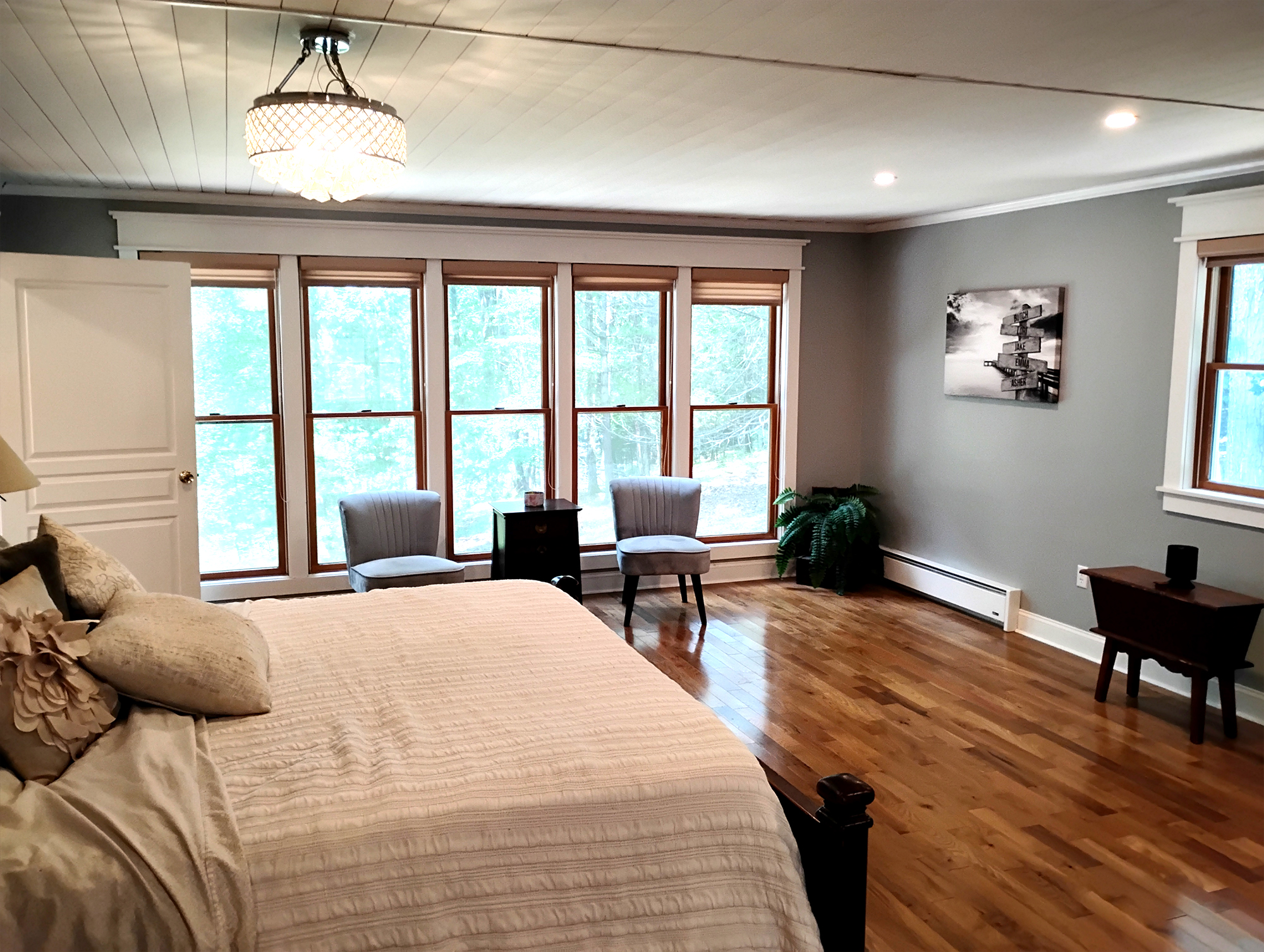
The amount and direction of sunlight your room gets can completely change how a color looks.

  • North-facing rooms usually get cooler, softer light — perfect for warm tones like beige, cream, or soft yellows.

  • South-facing rooms get steady sunlight all day, which brings out the warmth and depth in colors.

  • East-facing rooms glow in the morning but fade to shadow later in the day — meaning cool tones might feel brighter early on, but muted later.

  • West-facing rooms are the opposite: they start cool and finish warm, making afternoon colors look richer and more golden.

If you live in a part of NEPA where the winters are long and the sun feels scarce (hello, January), warmer shades can help your space feel cozier and brighter.
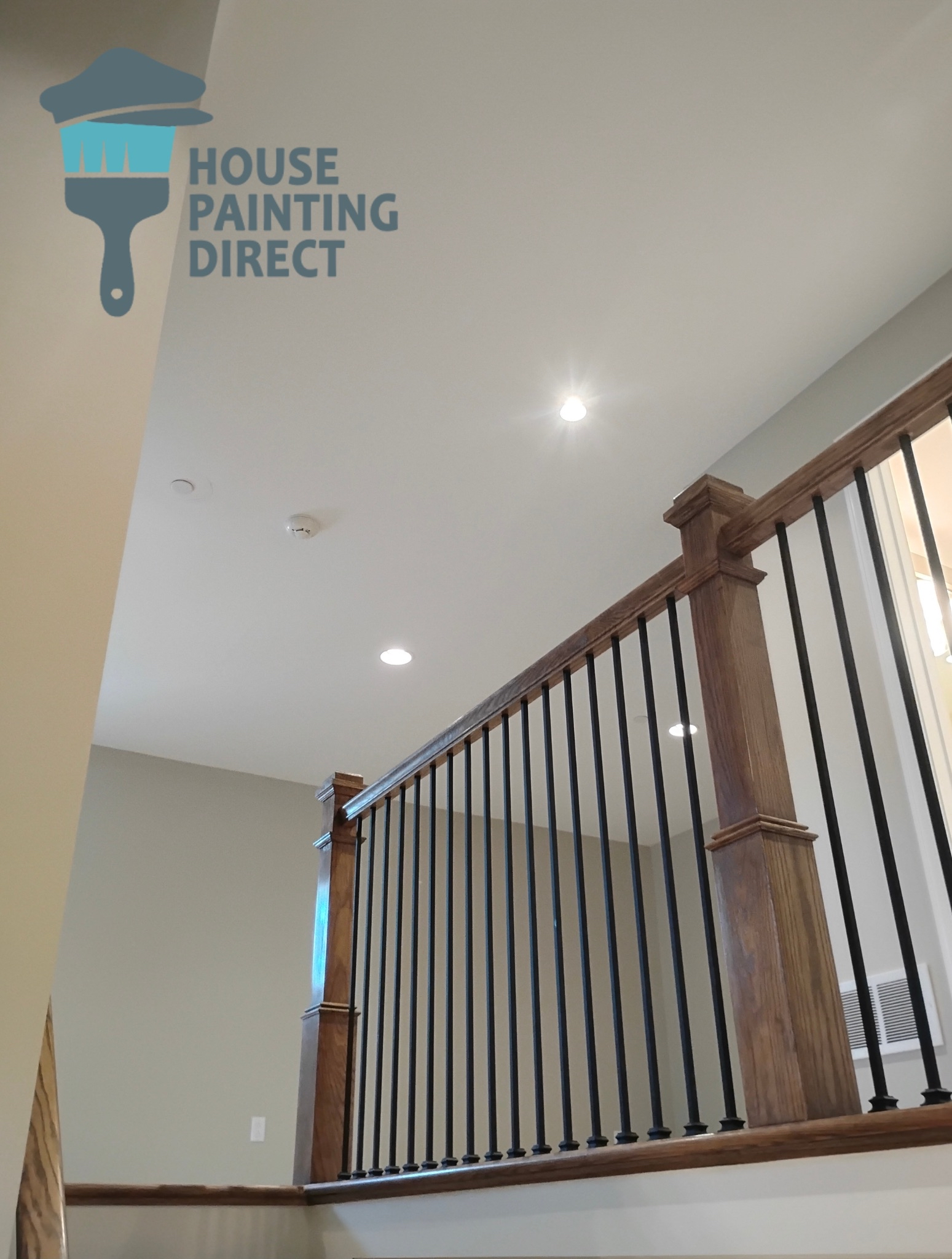
Artificial Lighting: The Hidden Influence

Once the sun sets, your light bulbs take over — and not all bulbs are created equal.

  • Warm white bulbs (yellowish light) make reds, oranges, and yellows pop, but can dull blues and greens.

  • Cool white bulbs (bluish light) make whites look crisp and bring out gray or blue tones.

  • LED lights come in a range of temperatures — try “soft white” (2700–3000K) for a cozy glow or “daylight” (5000K) for a bright, energetic look.

Tip: Before committing to a paint color, test a sample and look at it morning, afternoon, and evening. The difference might surprise you.

house painting direct logo

 Gloss and Finish Matter, Too

Lighting doesn’t just affect color — it affects how much you see.
Glossy finishes reflect more light, making rooms feel brighter but also highlighting imperfections. Flat and matte finishes absorb light, creating a softer, more even look.

In NEPA homes with plenty of natural light, satin or eggshell finishes strike the perfect balance between soft and reflective.

 Create the Mood You Want

1. Warm & Welcoming

Warm tones like soft beiges, buttery yellows, and rich terracotta create a cozy, inviting atmosphere perfect for living rooms and entryways. These hues reflect NEPA’s friendly character, bringing comfort and conversation into every corner of your home. Professional interior painters in Wilkes-Barre and Hazleton often recommend warm palettes to make large spaces feel more intimate and full of life.


2. Cool & Calming

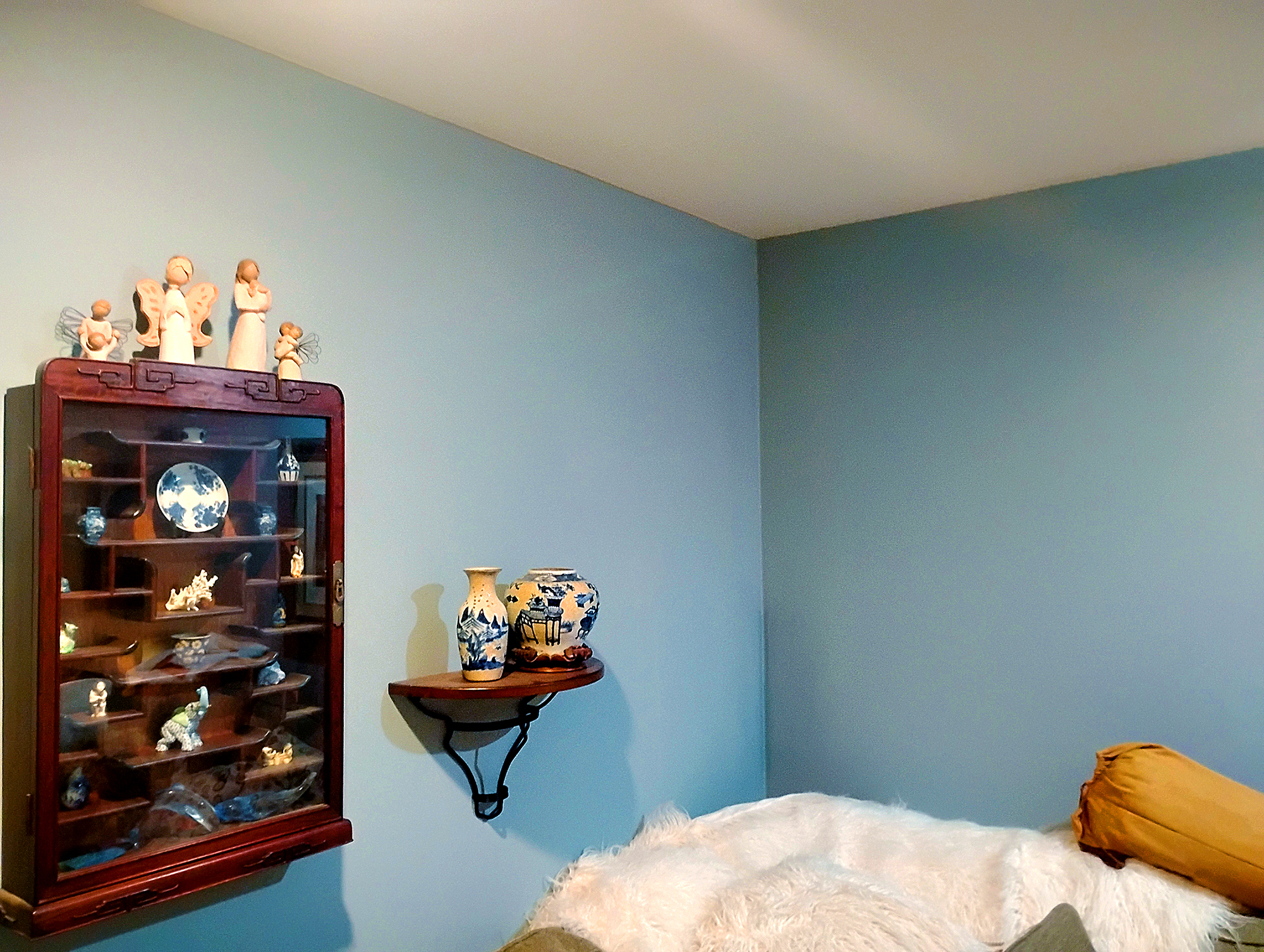
Shades of blue, sage, and gentle gray help craft a peaceful, spa-like mood ideal for bedrooms and bathrooms. Cool tones reflect natural light beautifully, enhancing the sense of calm throughout your Scranton or Wilkes-Barre home. A professional painter can help balance undertones and finishes so your walls stay crisp, clean, and relaxing year-round.


3. Bright & Energizing

Vibrant colors like golden yellow, coral, or sky blue bring energy and personality into kitchens, offices, and creative spaces. These lively shades help uplift mood and motivation, reflecting NEPA’s mix of sunshine and changing skies. Professional interior painting services in Hazleton and surrounding towns ensure the colors stay bright and consistent, without streaks or fading.


4. Elegant & Timeless

Classic neutrals—think whites, taupes, and soft grays—deliver a refined, timeless appeal that complements both modern and historic homes. Many Wilkes-Barre and Scranton homeowners choose these tones for their ability to highlight architectural details and create an upscale finish. Professional painters use high-end paints and precision techniques to achieve smooth, elegant results that last for years.


5. Earthy & Grounded

Natural hues like olive green, clay, and deep brown bring warmth and authenticity to NEPA homes surrounded by nature. These earthy colors connect interiors to the region’s wooded landscapes and seasonal tones, offering comfort that feels organic and balanced. Skilled interior painters in Hazleton and nearby areas know how to apply these deeper pigments evenly for rich, lasting depth.

Our Professional Painting and Lighting Advice

When choosing paint colors for your home, don’t just think about the color itself — think about the light it will live in. The same shade can feel calm and cozy in one room, and cool and modern in another.

If you’re not sure what works best for your space, House Painting Direct can help. We’ll walk you through color options, lighting considerations, and finishes that fit your home’s natural light and personality.

Because the perfect color isn’t just about what’s on the wall — it’s about how it looks when your home lights up around it.