Be Beautiful

The Real Difference Between a Cheap Paint Job and a Professional One

Interior & Exterior Painting Tips, Tricks and Local NEPA Stories

Preserve the Finish. Enjoy the Freshness.

A freshly painted room has a way of making an entire home feel renewed. Walls look brighter, spaces feel cleaner, and even familiar rooms take on a more polished appearance. The challenge is keeping that finish looking just as beautiful after months or years of everyday use.

Between fingerprints, furniture scuffs, dust, cooking residue, and changing indoor conditions, painted walls naturally experience wear. Fortunately, maintaining them does not require constant scrubbing or expensive cleaning products. A few thoughtful habits and the right cleaning techniques can help preserve the color, sheen, and overall appearance of your paint.

For homeowners throughout Wilkes-Barre, Scranton, Dallas, Clarks Summit, Shavertown, and the surrounding Northeast Pennsylvania communities, proper wall maintenance is especially worthwhile. Seasonal humidity, cold winter weather, indoor heating, and everyday household activity can all influence how painted surfaces age.

The secret is understanding what your paint needs—and knowing when cleaning is enough and when a fresh coat makes more sense.

Clean Marks Without Damaging the Paint


Clean Marks Without Damaging the Paint


Fingerprints, shoe marks, and everyday stains are inevitable in a lived-in home. The important thing is removing them without wearing away the paint.

For most washable interior finishes, start with the gentlest method possible.

A soft cloth lightly dampened with warm water may be enough for fresh fingerprints or light surface dirt. If the mark remains, add a small amount of mild dish soap to the water.

Gently wipe the affected area, then use another clean cloth lightly dampened with plain water to remove any soap residue. Dry the surface with a soft towel.

Avoid soaking the wall. Excess moisture can penetrate damaged paint, affect drywall, and create additional problems if the surface remains damp.

The type of mark also matters:

Fingerprints and light dirt: Use a damp microfiber cloth and mild soap if needed.

Rubber or shoe scuffs: Wipe gently with a soft cloth. Avoid aggressive rubbing that could change the sheen.

Crayon and pencil marks: Begin with mild soap and water, testing the method in an inconspicuous area.

Grease spots: A mild detergent may help, particularly on washable kitchen paint finishes.

Stubborn stains: A melamine foam sponge may remove certain marks, but it is mildly abrasive and can dull or remove paint. Use it sparingly, with minimal pressure, and test first.

Harsh chemicals, abrasive powders, and rough scrubbers are rarely necessary for routine wall care. Stronger cleaning does not automatically mean better results.

Control Indoor Humidity and Watch for Moisture Damage

Painted walls are affected by more than what happens directly on their surfaces. Temperature changes, ventilation, and indoor humidity all influence the condition of the paint and the materials beneath it.

During Northeast Pennsylvania winters, indoor heating can create dry conditions, while cold exterior walls and poorly insulated areas may become vulnerable to condensation.

In summer, higher humidity can contribute to moisture problems when ventilation and dehumidification are insufficient.

The EPA recommends keeping indoor relative humidity below 60%, ideally between 30% and 50% when practical.

A simple hygrometer can help homeowners monitor indoor humidity. Depending on conditions, exhaust fans, dehumidifiers, and improved ventilation may help maintain a healthier indoor environment.

Watch for warning signs such as:

  • Paint bubbling or blistering.
  • Peeling around windows and exterior walls.
  • Water stains near ceilings or corners.
  • Persistent discoloration in bathrooms.
  • Mold or mildew on painted surfaces.

These issues should not be treated as ordinary cleaning problems. If paint is peeling or staining because of moisture, the source needs to be identified and corrected before repainting.

Applying another coat over an active moisture problem may only hide the damage temporarily.

When Is It Time to Repaint Instead of Clean?

Cleaning can restore a surprising amount of freshness, but it cannot reverse every type of paint damage.

Eventually, repainting becomes the more practical solution.

Consider a fresh coat when you notice:

  • Widespread fading or discoloration.
  • Persistent stains that remain after appropriate cleaning.
  • Multiple areas of peeling, cracking, or flaking paint.
  • Extensive scuff marks throughout a room.
  • Touch-up patches that no longer blend with the existing finish.
  • A finish that has become uneven or visibly worn.

There is no universal timeline for repainting interior walls. A guest bedroom may look excellent for many years, while a busy hallway or kitchen may need attention much sooner.

The condition of the surface, the type of paint, and the amount of daily activity are better indicators than the age of the paint alone.

For older homes in Wilkes-Barre, Scranton, and nearby communities, preparation deserves particular attention. If a home was built before 1978, painted surfaces may contain lead-based paint beneath newer coatings. Sanding or disturbing those layers can create hazardous dust, so appropriate lead-safe practices and qualified professionals are important.

A fresh paint job should begin with a sound, properly prepared surface—not simply another coat over existing problems.

Make Your Painting Budget Go Further With Proper Preparation

One of the easiest ways to waste money on a painting project is to focus entirely on the paint purchase while overlooking preparation.

Even high-quality paint cannot compensate for a dirty, damaged, or poorly prepared surface.

If paint is applied over loose coatings, grease, dust, or incompatible finishes, adhesion problems can develop. This may result in peeling, uneven coverage, or premature failure.

Proper preparation helps protect the investment and reduces the likelihood of having to repaint sooner than expected.

Depending on the project, preparation may involve:

  • Cleaning walls and removing surface contaminants.
  • Scraping loose or peeling paint.
  • Sanding rough edges and suitable surfaces.
  • Filling nail holes and minor imperfections.
  • Repairing appropriate drywall damage.
  • Priming stains or areas with significant color differences.
  • Using compatible primers for different materials.

Older homes deserve additional care. Properties built before 1978 may contain lead-based paint, and disturbing those coatings can create serious health risks. Applicable EPA lead-safe renovation requirements should be followed when working on affected surfaces.

Preparation may not be the most visually exciting part of a painting project, but it is often what separates a lasting finish from one that needs attention again too soon.

Budget-Friendly Painting Mistakes to Avoid

Even a relatively small painting project can become expensive when important details are overlooked.

A few common mistakes are worth avoiding.

Choosing paint based only on the lowest price. Less expensive products may require additional coats or may not provide the durability needed for the surface. Compare coverage, quality, and intended application rather than looking at the price per container alone.

Skipping primer when it is needed. Primer helps improve adhesion, promote uniform coverage, and address certain stains or surface conditions. Not every repaint requires a separate primer, but some surfaces absolutely do.

Using too many competing colors. A home with several unrelated paint colors can feel visually disconnected. A coordinated palette often creates a more polished result without increasing the amount of paint needed.

Painting over moisture damage. Water stains, peeling coatings, and damp surfaces may indicate an underlying problem. Correct the source of moisture before repainting.

Underestimating the amount of preparation required. Poor preparation can lead to uneven finishes and early coating failure, making the original savings disappear.

Ignoring the weather during exterior projects. Northeast Pennsylvania’s changing temperatures and humidity can affect application and curing. Always follow the product manufacturer’s temperature, moisture, and drying requirements.

A Beautiful Finish Starts With Consistent Care

Keeping painted walls looking new does not mean treating your home like a showroom. It means understanding how paint responds to everyday use and giving surfaces the attention they need before minor wear becomes noticeable damage.

Gentle cleaning, regular dusting, proper ventilation, careful touch-ups, and protection from furniture can all extend the life of an interior paint job.

For homeowners throughout Wilkes-Barre, Scranton, Dallas, Clarks Summit, Shavertown, Mountain Top, and the wider Northeast Pennsylvania region, seasonal changes make moisture control and surface maintenance especially important.

And when cleaning is no longer enough, a professionally applied fresh coat can restore the smooth, consistent appearance that makes a room feel cared for.

At House Painting Direct, we believe beautiful painting is about more than choosing the right color. It is about craftsmanship, thoughtful preparation, and finishes that complement the homes and communities we serve.

If your walls are showing signs of wear or are ready for a fresh start, House Painting Direct is here to help bring renewed beauty to your home with professional interior painting across NEPA.

15 + 3 =

What you can’t see might cost you more in the long run.

It’s easy to be tempted by low prices—but when it comes to paint jobs, you often get what you pay for. The difference between cheap and professional isn’t just the price—it’s the prep, materials, technique, and long-term results


Why Professional Painting Makes All the Difference

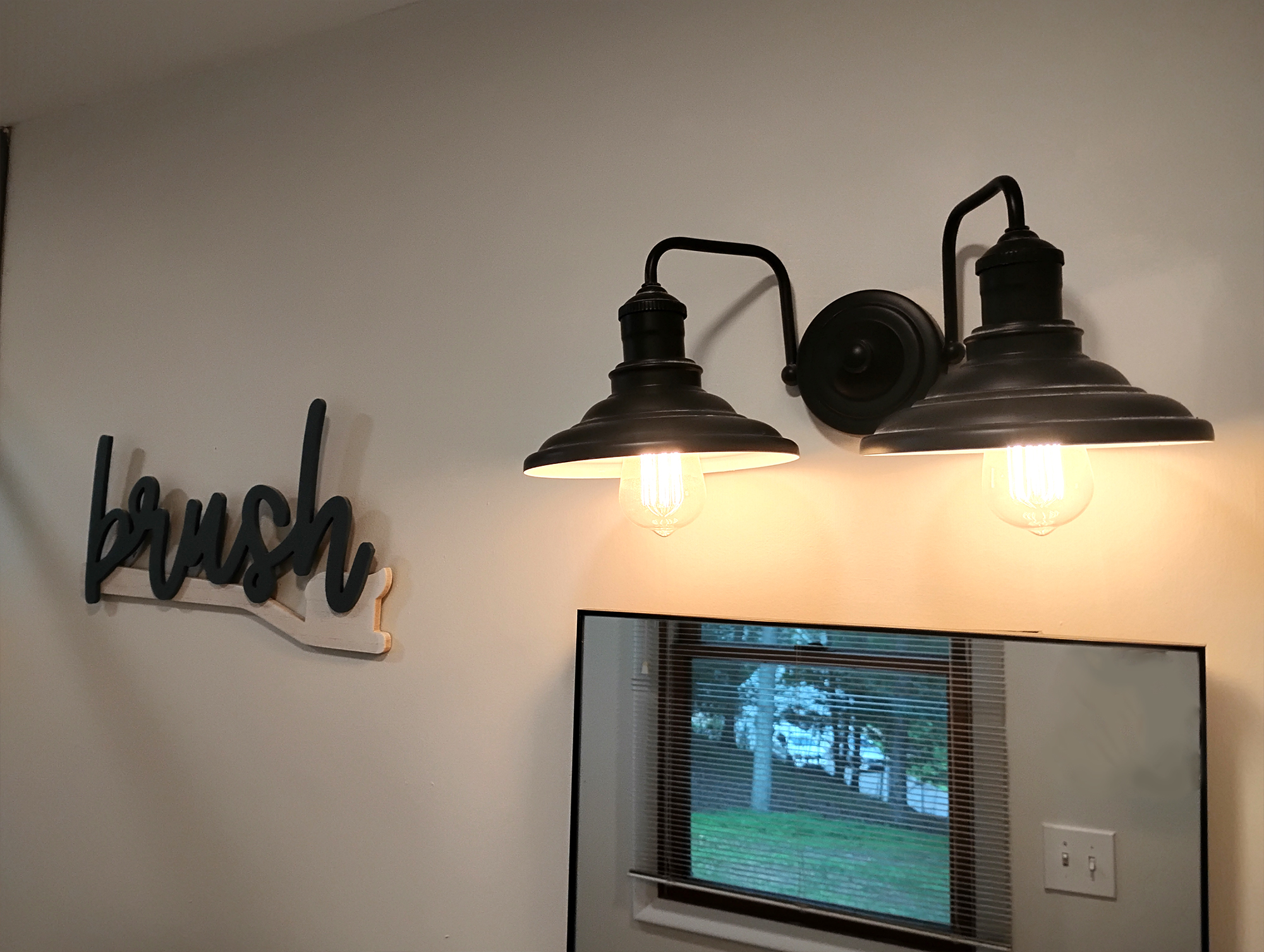
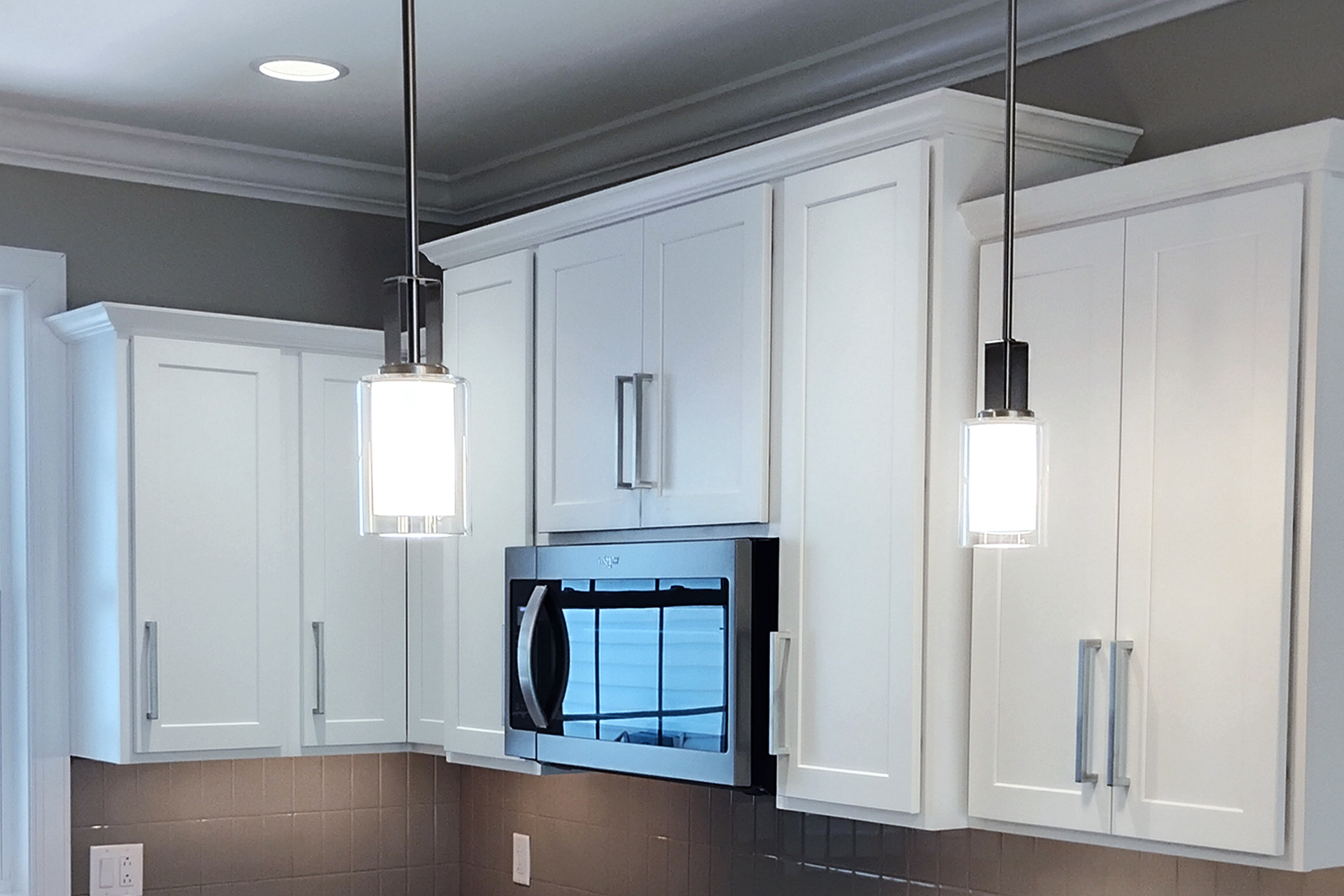
Professional painting stands apart not just in the finish, but in everything that leads up to it. A cheap paint job often skips essential surface preparation—no cleaning, sanding, or priming—which can cause premature peeling or uneven coverage. In contrast, professional painters prepare every surface thoroughly to ensure paint adheres properly and lasts, which is especially important for detail oriented projects like cabinet painting. They also use high-quality paint that resists wear, weather, and UV damage, unlike bargain paints that fade or chip quickly. Their attention to detail shows in the clean lines, sharp edges, and smooth textures. Ultimately, a professional job lasts years longer, backed by a warranty and peace of mind—saving you time, money, and frustration in the long run.

Licensing and Insurance

Licensed and insured painters protect both you and your property. That means every worker is covered, every step meets safety standards, and your home is in responsible hands. Cheaper, unlicensed painters might save you a few dollars upfront—but one mistake could cost thousands.

Speed and Efficiency

Experienced painters know how to get in, get it done, and get it right. From proper prep to clean, even coverage, professional crews complete projects faster without sacrificing quality. Cheap labor may take longer and still leave uneven lines, drips, or missed spots that need fixing later.

Quality of Materials

Professional painters use premium paints, primers, and finishes designed to hold up against time and weather. Cheap painters often cut corners with watered-down or bargain products that fade, peel, and fail within a season. With a pro, you’re investing in lasting beauty and protection—not a quick coat that needs redone next year.

Knowledge of Color and Medium

Professional painters understand how lighting, texture, and color interact throughout your home. They know which paints work best for your surfaces and how to create a cohesive finish that feels intentional and elevated. Cheap painters simply apply paint; professionals craft an atmosphere.

Communication and Follow-Through

A professional painting company values your time, your space, and your satisfaction. From the first estimate to the final walkthrough, clear communication keeps your project on track and stress-free. Cheap painters often disappear once the check clears—leaving you with unanswered calls and unfinished details.
Invest in a Finish That Lasts

You deserve more than a quick cover-up. Contact us for high-quality painting that holds up beautifully over time.
Painters in

Wilkes-Barre:

Built for NEPA’s Weather and History

In Wilkes-Barre, the changing seasons can be tough on a home’s exterior — from humid summers to freezing winters that test every layer of paint. Professional painters here understand how to protect historic homes and landmarks near the Luzerne County Courthouse with products made to endure that weather cycle. Whether it’s restoring a century-old trim or sealing a modern addition, skilled local painters know how to preserve the city’s character while keeping your home looking fresh year-round.

Painters in Scranton:

Precision for a City Built on Hills and Heritage

Scranton’s steep streets and historic architecture demand more than a quick paint job — they call for expertise. From the homes that climb the city’s hillsides to the vibrant spaces near Steamtown and the Marketplace Mall, professional painters here are used to working in challenging layouts and tight access points. Their precision, safety training, and knowledge of surface prep ensure clean lines and lasting finishes, even on the most hard-to-reach elevations.
Painters in Hazleton:

Adapting to Every Neighborhood and Business Hub

Hazleton’s unique mix of tucked-away residential pockets and busy commercial corridors requires painters who can handle both with efficiency and care. Local professionals bring that versatility — whether it’s refreshing storefronts along the strip malls or brightening homes in surrounding areas like Falls, White Haven, or Drums. With professional painters, every project is approached with the right coatings, timing, and attention to detail suited for Hazleton’s diverse spaces.