
Be Beautiful

The Real Difference Between a Cheap Paint Job and a Professional One

Interior & Exterior Painting Tips, Tricks and Local NEPA Stories

The Right Temperature Changes Everything

Choosing an exterior paint color is about more than picking a shade you happen to like on a color card. The **temperature of a color—warm or cool—can change how your home’s architecture looks, how large it appears, how it relates to the surrounding landscape, and even how the color feels as natural light changes throughout the day.

For homeowners in Wilkes-Barre, Scranton, Dallas, Shavertown, Mountain Top, White Haven, and the Poconos, the surrounding landscape makes this decision particularly interesting. A home tucked into Pennsylvania woods has a very different visual setting from a city property surrounded by sidewalks, neighboring homes, and pavement.

Warm and cool colors can both be beautiful. The better choice depends on the home’s architecture, existing materials, amount of natural light, surrounding landscape, and the overall feeling you want the exterior to create.

Warm Exterior Colors Feel Grounded

Warm exterior colors tend to create a welcoming, grounded appearance.

They can work particularly well with natural materials such as:

  • Stone
  • Brick
  • Wood
  • Natural brown roofing
  • Warm-toned landscaping
  • Cedar elements
  • Earth-toned masonry

This is one reason warm colors can be especially attractive on homes in wooded parts of Pennsylvania.

A warm taupe, creamy white, or muted brown can visually connect the house to the surrounding trees, stone, and natural landscape without making the exterior disappear into it.

For a home in the woods around the Poconos or near Harveys Lake, a warm exterior palette can feel almost native to the setting.

Cool Colors Feel Crisp and Refined

Cool colors tend to create a cleaner, quieter, and more contemporary impression.

Blue-grays, cool whites, muted greens, and slate tones can work beautifully with:

  • Black roofing
  • Gray stone
  • Modern trim
  • Metal accents
  • White architectural details
  • Contemporary landscaping

Cool colors can also give traditional architecture a more updated appearance without changing the home’s structure.

A soft blue-gray on a classic Pennsylvania home, for example, can feel refined without becoming overly modern.

Consider Your Home’s Existing Stone and Brick

This is one of the most important factors homeowners sometimes overlook.

If your home has existing stone, brick, or masonry that won’t be painted, the exterior color needs to work with those permanent materials.

For example, Pennsylvania stone often contains multiple subtle tones. You may see gray, tan, brown, cream, or even muted green undertones.

A warm exterior color can pull out the warmer tones in the stone.

A cool gray can emphasize the cooler tones.

Neither is automatically right or wrong. The question is whether you want the painted surfaces to blend with the masonry or create a deliberate contrast.

How Natural Light Changes Exterior Color

Exterior paint doesn’t exist in a vacuum.

Sunlight changes throughout the day, and the same paint color can look noticeably different depending on when and where you’re viewing it.

A south-facing wall may receive strong sunlight and appear brighter. A north-facing wall can receive cooler, more indirect light and make certain colors appear more blue or gray.

Shaded areas can also change how colors are perceived.

This is particularly important for homes with large trees nearby.

A color that looks warm and creamy on a sunny sample may look considerably cooler once applied to a shaded wall.

That’s why small paint samples are helpful—but large samples are better.

Look at the color at different times of day and, ideally, under different weather conditions.

Warm Whites vs. Cool Whites

White sounds simple until you start comparing paint colors.

There are countless variations, and undertones make a major difference.

Warm whites

Warm whites typically contain subtle yellow, cream, beige, or red undertones.

They can create:

  • A softer appearance
  • A welcoming feel
  • Better harmony with warm stone and wood
  • A traditional aesthetic

Cool whites

Cool whites may contain blue, gray, or green undertones.

They can create:

  • A crisp appearance
  • Stronger contrast
  • A cleaner, more contemporary feeling
  • A sharper relationship with dark trim

A bright cool white can look beautiful on one home and stark on another.

If your property has warm stone, reddish brick, or natural wood, a warm white may coordinate more naturally.

When Should You Consider Repainting?

An inspection can also help determine whether maintenance is enough or whether the exterior coating is approaching the end of its service life.

Signs that repainting may be appropriate include:

  • Widespread peeling
  • Extensive chalking
  • Multiple areas of exposed substrate
  • Persistent cracking
  • Significant fading
  • Repeated spot repairs
  • Paint failure across multiple elevations

A few isolated problem areas don’t necessarily mean the entire house needs to be repainted.

Conversely, widespread coating failure isn’t likely to be solved by repeatedly touching up individual spots.

The overall condition matters.

Color Temperature and Curb Appeal

Warm and cool colors can both improve curb appeal, but they create different impressions.

Warm colors often communicate:

Comfort → Tradition → Natural warmth

Cool colors often communicate:

Clarity → Refinement → Modern simplicity

The architectural style should influence which direction you take.

A large traditional Colonial may look wonderful in a warm cream with darker shutters. A modern home may suit a cool charcoal-gray with crisp trim.

But there are no absolute rules.

A traditional home can look stunning in a cool blue-gray, and a contemporary house can feel beautiful in a warm taupe.

11 + 7 =

The Best Color Is the One That Belongs There

Warm versus cool isn’t really a competition.

It’s a question of relationship.

The best exterior color is one that works with your roof, stone, trim, architecture, landscaping, and the particular light your home receives. That’s especially true in NEPA, where a home in the woods around White Haven or the Poconos can have a completely different visual environment from a city property in Wilkes-Barre.

Warm colors can make a home feel grounded, welcoming, and connected to the landscape.

Cool colors can make it feel crisp, composed, and beautifully defined.

And when they’re thoughtfully combined, the two can create something even more interesting.

Before choosing a color, step back from the paint chip and look at the whole house. The right shade shouldn’t simply look beautiful in the store—it should look as though it belongs on your home.

15 + 4 =

What you can’t see might cost you more in the long run.

It’s easy to be tempted by low prices—but when it comes to paint jobs, you often get what you pay for. The difference between cheap and professional isn’t just the price—it’s the prep, materials, technique, and long-term results


Why Professional Painting Makes All the Difference

Professional painting stands apart not just in the finish, but in everything that leads up to it. A cheap paint job often skips essential surface preparation—no cleaning, sanding, or priming—which can cause premature peeling or uneven coverage. In contrast, professional painters prepare every surface thoroughly to ensure paint adheres properly and lasts, which is especially important for detail oriented projects like cabinet painting. They also use high-quality paint that resists wear, weather, and UV damage, unlike bargain paints that fade or chip quickly. Their attention to detail shows in the clean lines, sharp edges, and smooth textures. Ultimately, a professional job lasts years longer, backed by a warranty and peace of mind—saving you time, money, and frustration in the long run.

Licensing and Insurance

Licensed and insured painters protect both you and your property. That means every worker is covered, every step meets safety standards, and your home is in responsible hands. Cheaper, unlicensed painters might save you a few dollars upfront—but one mistake could cost thousands.

Speed and Efficiency

Experienced painters know how to get in, get it done, and get it right. From proper prep to clean, even coverage, professional crews complete projects faster without sacrificing quality. Cheap labor may take longer and still leave uneven lines, drips, or missed spots that need fixing later.

Quality of Materials

Professional painters use premium paints, primers, and finishes designed to hold up against time and weather. Cheap painters often cut corners with watered-down or bargain products that fade, peel, and fail within a season. With a pro, you’re investing in lasting beauty and protection—not a quick coat that needs redone next year.

Knowledge of Color and Medium

Professional painters understand how lighting, texture, and color interact throughout your home. They know which paints work best for your surfaces and how to create a cohesive finish that feels intentional and elevated. Cheap painters simply apply paint; professionals craft an atmosphere.

Communication and Follow-Through

A professional painting company values your time, your space, and your satisfaction. From the first estimate to the final walkthrough, clear communication keeps your project on track and stress-free. Cheap painters often disappear once the check clears—leaving you with unanswered calls and unfinished details.
Invest in a Finish That Lasts

You deserve more than a quick cover-up. Contact us for high-quality painting that holds up beautifully over time.
Painters in

Wilkes-Barre:

Built for NEPA’s Weather and History

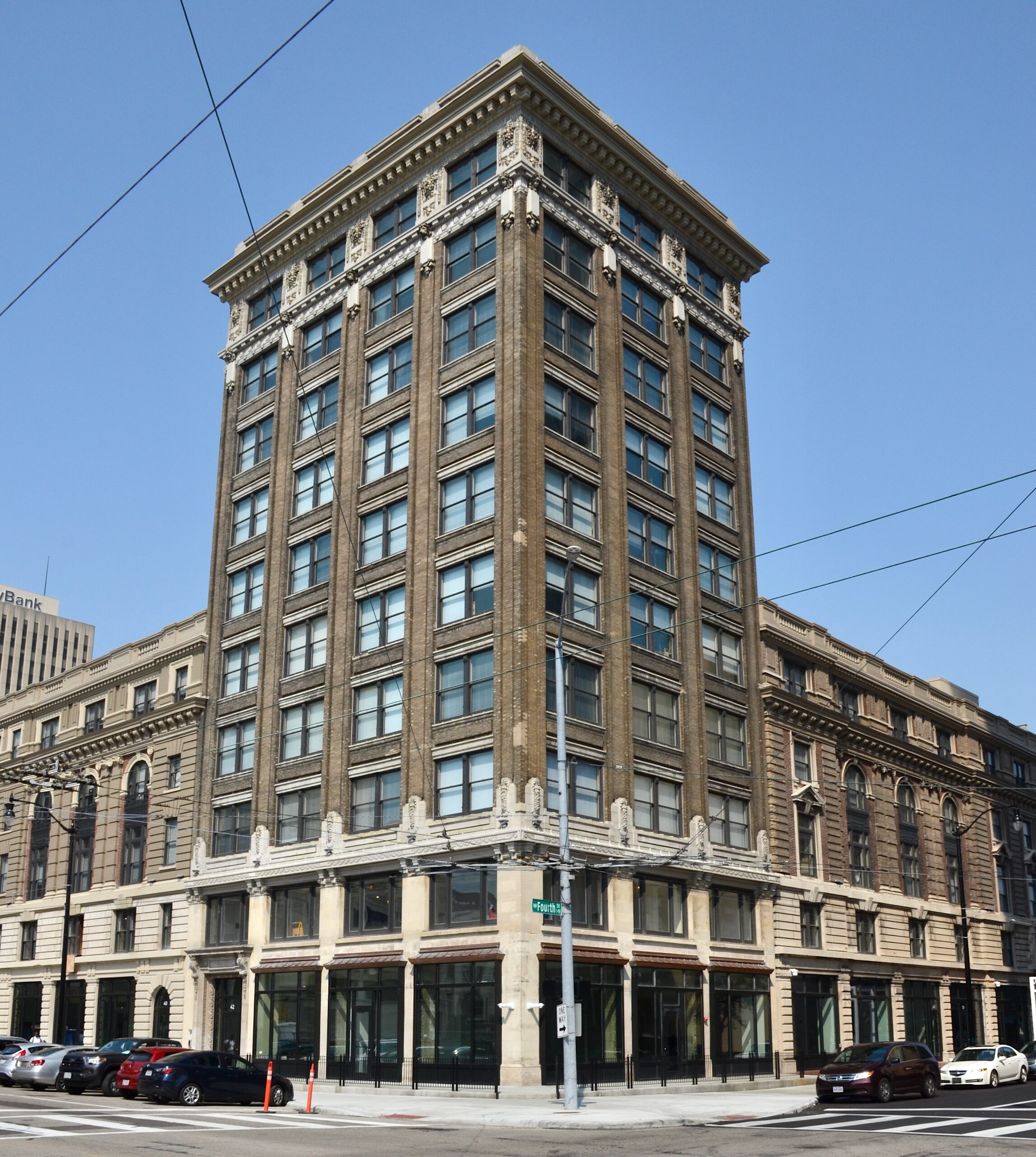
In Wilkes-Barre, the changing seasons can be tough on a home’s exterior — from humid summers to freezing winters that test every layer of paint. Professional painters here understand how to protect historic homes and landmarks near the Luzerne County Courthouse with products made to endure that weather cycle. Whether it’s restoring a century-old trim or sealing a modern addition, skilled local painters know how to preserve the city’s character while keeping your home looking fresh year-round.

Painters in Scranton:

Precision for a City Built on Hills and Heritage

Scranton’s steep streets and historic architecture demand more than a quick paint job — they call for expertise. From the homes that climb the city’s hillsides to the vibrant spaces near Steamtown and the Marketplace Mall, professional painters here are used to working in challenging layouts and tight access points. Their precision, safety training, and knowledge of surface prep ensure clean lines and lasting finishes, even on the most hard-to-reach elevations.
Painters in Hazleton:

Adapting to Every Neighborhood and Business Hub

Hazleton’s unique mix of tucked-away residential pockets and busy commercial corridors requires painters who can handle both with efficiency and care. Local professionals bring that versatility — whether it’s refreshing storefronts along the strip malls or brightening homes in surrounding areas like Falls, White Haven, or Drums. With professional painters, every project is approached with the right coatings, timing, and attention to detail suited for Hazleton’s diverse spaces.