Be Beautiful

Signs Its Time To Paint Your NEPA Home

Interior & Exterior Painting Tips, Tricks and Local NEPA Stories

Exterior paint on a Pennsylvania home has a demanding job. It has to withstand intense summer sun, humidity, rain, snow, ice, freezing temperatures, and repeated freeze-thaw cycles—all while protecting the material underneath.

So when paint begins to peel, crack, or blister, the problem is not always as simple as “the paint is old.”

Sometimes the coating has reached the end of its useful life. In other cases, moisture is getting where it shouldn’t, the surface was not properly prepared, the wrong product was used, or the underlying material is moving or deteriorating.

For homeowners in Wilkes-Barre, Scranton, Dallas, Clarks Summit, Shavertown, Mountain Top, White Haven, and throughout NEPA, understanding why exterior paint fails is the first step toward fixing the problem correctly.

A new coat can make a failing exterior look better temporarily. But if the reason for the failure remains, the new paint may eventually fail in the same place.

Why Pennsylvania Weather Is Hard on Exterior Paint

Pennsylvania homes experience substantial seasonal changes.

An exterior surface may go from hot and humid summer conditions to freezing winter temperatures within a matter of months. During that time, the surface is exposed to moisture, ultraviolet radiation, wind, snow, and temperature fluctuations.

Those conditions affect both the paint and the material underneath it.

Wood expands and contracts. Caulk can shrink or crack. Moisture can enter small openings and freeze. Sunlight can gradually break down the coating’s binder.

Over years, those small stresses add up.

This is one reason exterior painting in NEPA requires more than simply applying a fresh color. The condition of the surface and the reason the existing coating failed are just as important as the new paint itself.

Moisture Gets Behind the Paint

Moisture is one of the most common causes of exterior paint failure.

Water can enter through:

  • Cracked or failed caulk
  • Gaps around windows and doors
  • Damaged siding
  • Roof or flashing problems
  • Leaking gutters
  • Poor drainage
  • Exposed or deteriorated wood
  • Open joints between exterior materials

Once moisture gets behind the coating, it can interfere with adhesion.

As the surface repeatedly gets wet and dries, the paint may begin to bubble, peel, crack, or separate from the substrate.

In colder weather, the problem can become even more pronounced. Water that enters a small opening can freeze and expand, putting additional stress on the surrounding materials and coating.

Why Painting Over Moisture Doesn’t Work

If a wall is peeling because water is entering behind the paint, another coat doesn’t solve the source of the problem.

It may look better for a while, but the same moisture can eventually cause the new coating to fail.

That is why identifying the moisture source should come before simply covering the affected area.

Poor Surface Preparation

Paint needs a sound surface to adhere properly.

If dirt, dust, chalking, mildew, loose paint, or other contaminants remain on the surface, they can interfere with adhesion.

The same applies to surfaces that were not properly scraped, sanded, cleaned, or primed when necessary.

This can create a frustrating situation: the new paint looks beautiful when the project is finished, but sections begin peeling much sooner than expected.

The problem may not have been the paint itself.

It may have been what was underneath it.

Proper exterior painting preparation can include:

  • Removing loose or failing paint
  • Cleaning the surface
  • Addressing mildew or organic growth
  • Sanding appropriate areas
  • Repairing damaged substrate
  • Priming surfaces where required
  • Replacing failed caulk
  • Allowing surfaces to dry adequately

Preparation is not the glamorous part of painting, but it is one of the most important.

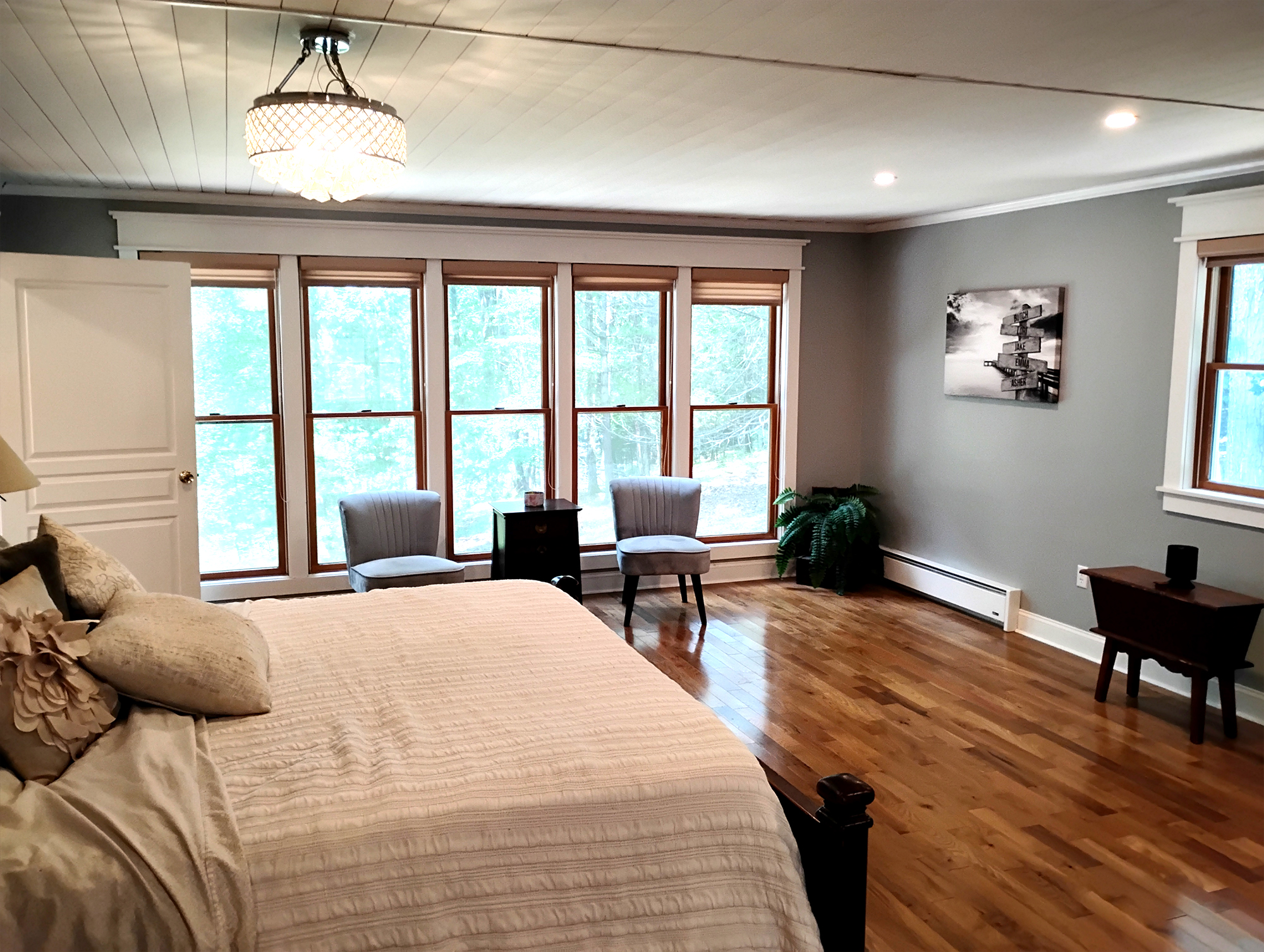
interior house painting bedroom painting with ceiling light and windows

Painting Over Chalky Surfaces

A chalky exterior can leave a fine, powdery residue on your hand when you rub the surface.

Chalking occurs as the coating’s binder breaks down and pigment becomes exposed.

Some chalking is a normal part of exterior paint aging. Heavy chalking, however, can interfere with the adhesion of a new coating.

If a painter simply applies new paint over a heavily chalked surface without appropriate preparation, the new coating may bond to the unstable layer rather than to a sound substrate.

The result can be premature peeling or flaking.

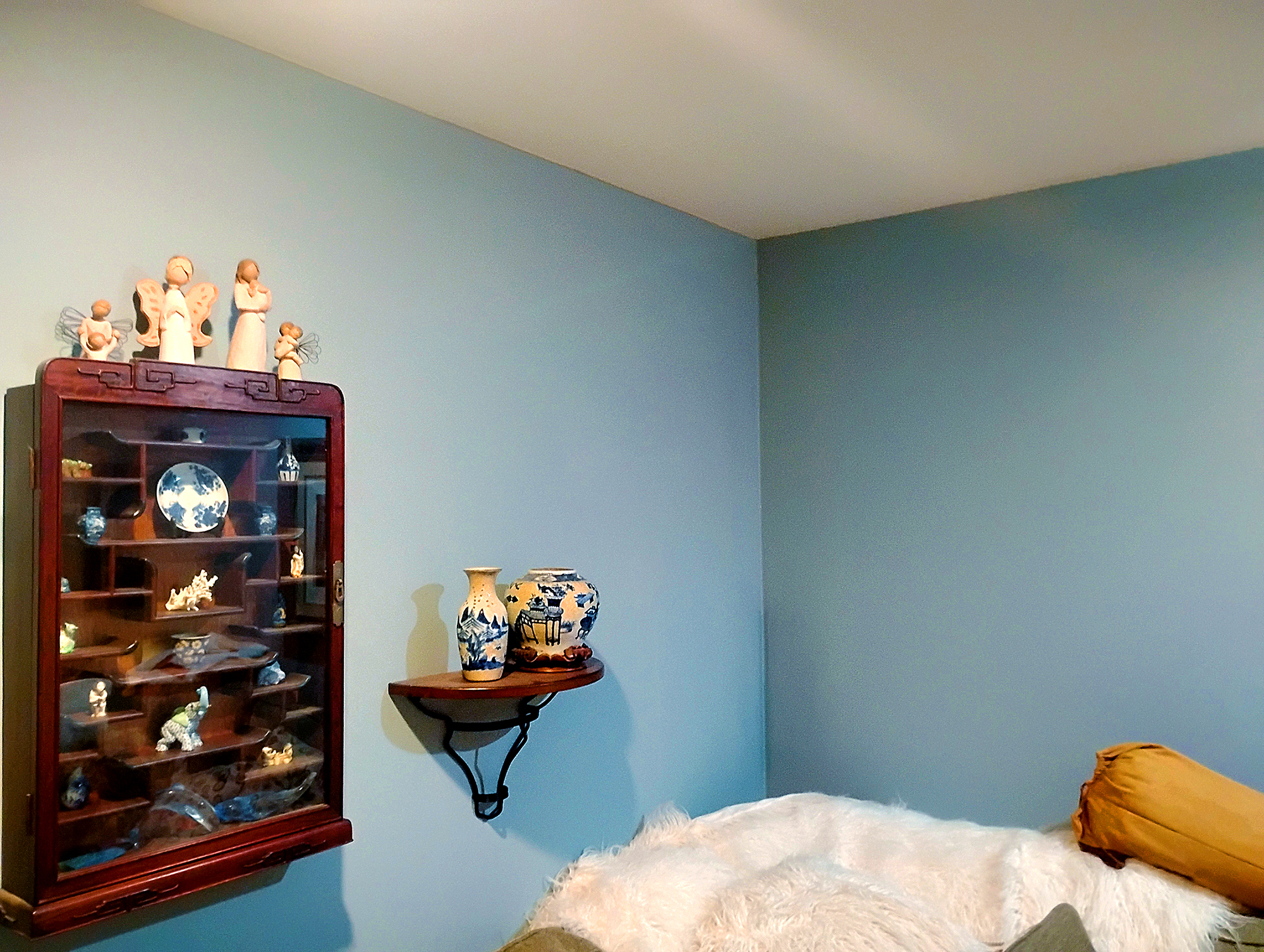
Interior Paint Residential Kingston PA blue on white ceiling web

The Surface Was Still Damp

Exterior paint needs appropriate conditions to adhere and cure correctly.

Painting a surface that is damp from rain, dew, washing, or high humidity can create adhesion problems.

This can be particularly relevant in Northeastern Pennsylvania during spring and fall, when mornings may be cool and damp even if the afternoon becomes comfortable.

Homes surrounded by trees can also have shaded sections that remain damp longer than areas exposed to direct sunlight.

A surface may look dry from a few feet away while still holding enough moisture to affect the coating.

That is why professional exterior painting involves paying attention to actual surface conditions, not just the temperature shown on a weather app.

Too Many Layers of Paint

Older Pennsylvania homes can have several generations of paint.

One coating may have been applied over another, which was applied over another.

Eventually, the accumulated layers can become less stable.

If an older layer is poorly adhered, every new layer placed above it can inherit that weakness.

This does not mean every older home needs to have every existing layer removed before repainting. The appropriate preparation depends on the condition of the existing coating and the substrate.

But widespread peeling should prompt a closer look at what is actually happening beneath the most recent layer.

Why the Same Spot Keeps Failing

If you have repainted a section several times and the paint keeps peeling in exactly the same place, that’s a valuable clue.

The coating may not be the primary problem.

Repeated failure can indicate:

  • Persistent moisture
  • A leaking gutter
  • Failed flashing
  • A damaged substrate
  • Movement at a joint
  • Poorly prepared previous coatings
  • An ongoing drainage problem

When paint fails repeatedly in one location, the better question is not “What paint should I use next?”

It’s “What keeps causing the paint to fail here?”

That change in perspective can prevent years of temporary repairs.

Exterior Paint Failure Can Start Small

Paint problems often begin with details that are easy to dismiss.

A homeowner may notice one peeling section of trim or a few hairline cracks and assume there is no urgency.

Sometimes that’s true.

But small failures can become larger when moisture gains access to the underlying material.

Early attention can be especially valuable on painted wood. Once exposed wood begins absorbing repeated moisture, the repair may eventually involve replacing damaged material rather than simply repainting it.

This is one reason routine exterior maintenance can be more economical than waiting until the coating has visibly deteriorated across the entire house.

A Lasting Finish Starts With the Surface Beneath It

When exterior paint peels, cracks, or blisters, the visible damage is only part of the story.

The coating may be telling you that moisture is getting behind it, the surface wasn’t properly prepared, the material underneath has deteriorated, or years of Pennsylvania weather have finally taken their toll.

For homeowners throughout Wilkes-Barre, Dallas, Clarks Summit, Shavertown, Mountain Top, White Haven, and the Poconos, understanding the cause is far more useful than simply covering the symptom.

A beautiful exterior finish depends on a sound surface, appropriate preparation, the right coating, and conditions that allow the paint to perform properly.

That approach takes a little more thought up front—but it is what helps an exterior paint job look refined and continue protecting the home long after the brushes are cleaned.

4 + 4 =

Paiting to revitalize your home across PA

A fresh coat of paint doesn’t just make your home look beautiful — it brings new life to it. In a place like Wilkes-Barre and the surrounding NEPA communities, weather can be tough on both interiors and exteriors. Over time, even the best paint begins to fade, crack, or peel from sunlight, moisture, and seasonal temperature swings.

A well-applied refresh restores that crisp, clean look — whether it’s brightening a living room or reviving worn exterior siding. New paint can instantly elevate the character of your home, giving it a vibrant, renewed feel that lasts.

At House Painting Direct, we help homeowners spot early signs of wear so they can address them before minor issues turn into major repairs. Here’s how to tell when your home may be ready for a little color revival.
Fading or Dull Color

If your once-vibrant walls now look washed out, patchy, or uneven, it’s a clear sign your paint is losing its strength. This is one of the most common issues homeowners notice in Wilkes-Barre, Dallas, Shavertown, and surrounding NEPA towns, especially on homes exposed to strong seasonal sunlight. South-facing walls in particular tend to fade faster as UV rays break down pigments over time.

Fading exterior paint is more than an eyesore — it signals that the protective layer on your siding is wearing thin. Indoors, dull or uneven color can make a room feel tired, even if the rest of the space is well-maintained.

Tip: Exterior paint in Northeastern Pennsylvania typically lasts 5–7 years, depending on weather conditions. For interior spaces, the average lifespan is 3–5 years before color begins to lose its clarity.
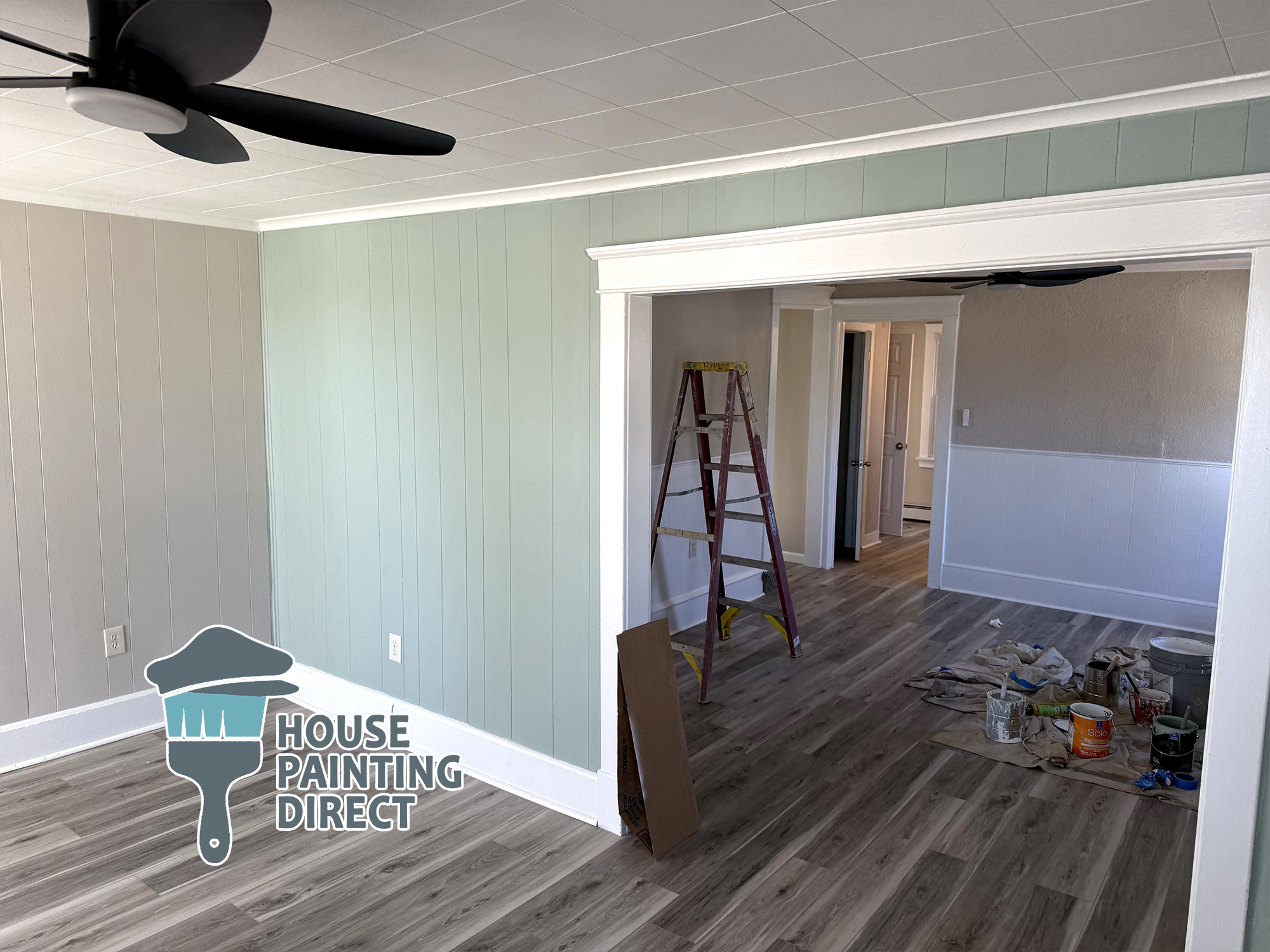
interior house painting pittston pa green walls and white trim ceiling paint

Peeling, Cracking, or Bubbling Paint

When paint begins to peel, crack, or bubble, it’s a clear sign that the protective barrier on your siding or interior walls has broken down. This often happens after years of exposure to moisture, fluctuating temperatures, or improper ventilation. Once the surface is compromised, moisture can slip underneath the paint film, leading to issues like wood rot, mold growth, or long-term structural damage if ignored, common with porch and deck painting.

A professional repaint does more than improve appearance — it restores a durable, weather-resistant seal that protects your home and keeps surfaces looking clean and well-maintained. Proper prep and high-quality coatings ensure the new finish holds strong, preventing future peeling and preserving both beauty and longevity.
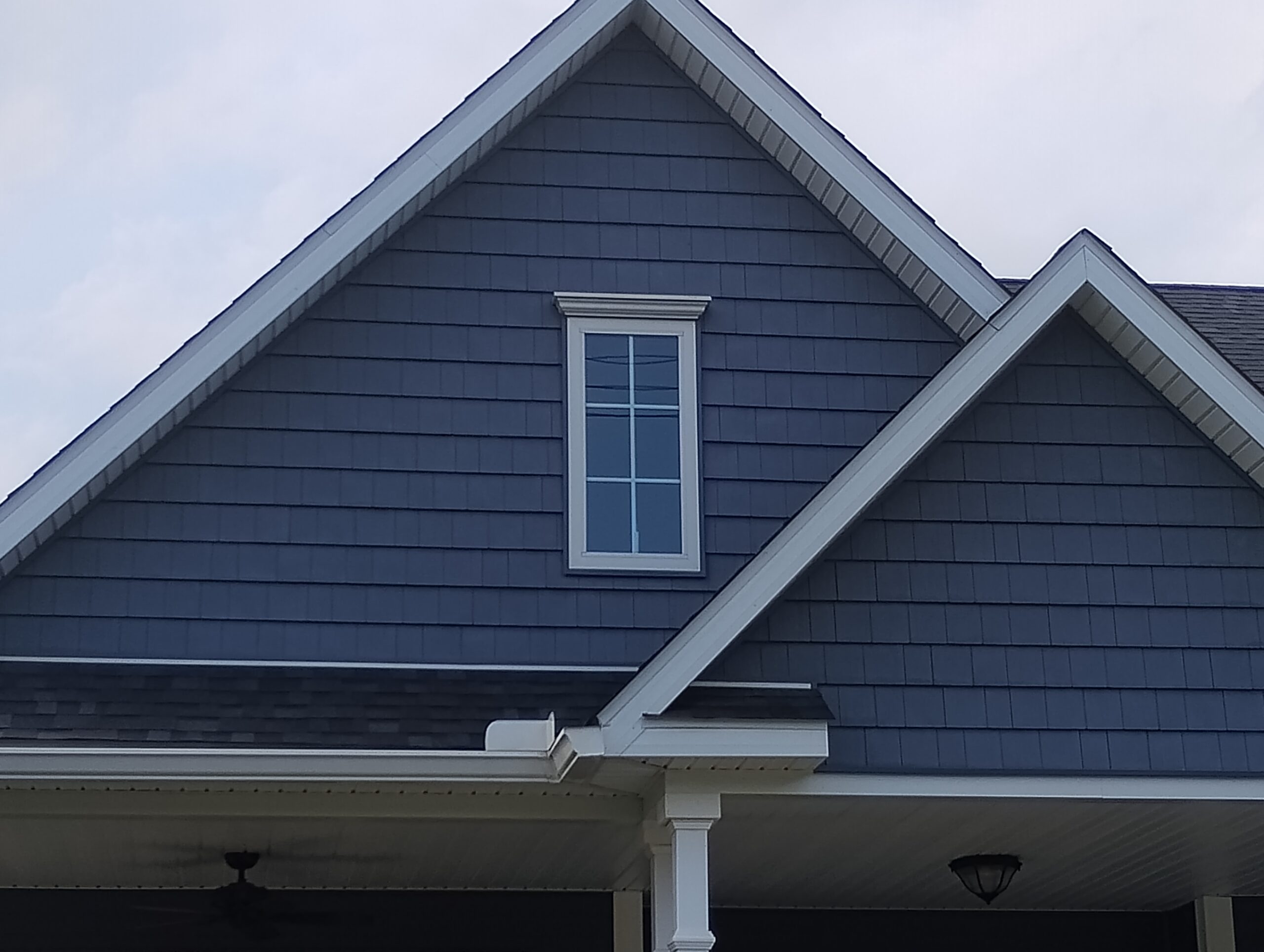
cedar shake exterior house painting blue and white trim wilkes-barre pa

13 + 10 =

Stains and Water Damage

Discoloration or water marks on ceilings and walls aren’t just cosmetic flaws — they’re often signs of a deeper issue. In Pennsylvania, stains commonly appear after heavy rain, melting snow, ice dams, or roof wear, and they can also stem from plumbing leaks, bathroom moisture, or poor ventilation. These marks indicate that water has made its way into the surface, and if left untreated, the damage can spread.

Once the source of the moisture is repaired, a professional repaint will restore the look of your walls or ceiling. Proper sealing and stain-blocking primers prevent old marks from bleeding back through, allowing fresh paint to protect the surface and stop further deterioration.

You’re Updating Your Style or Selling Your Home

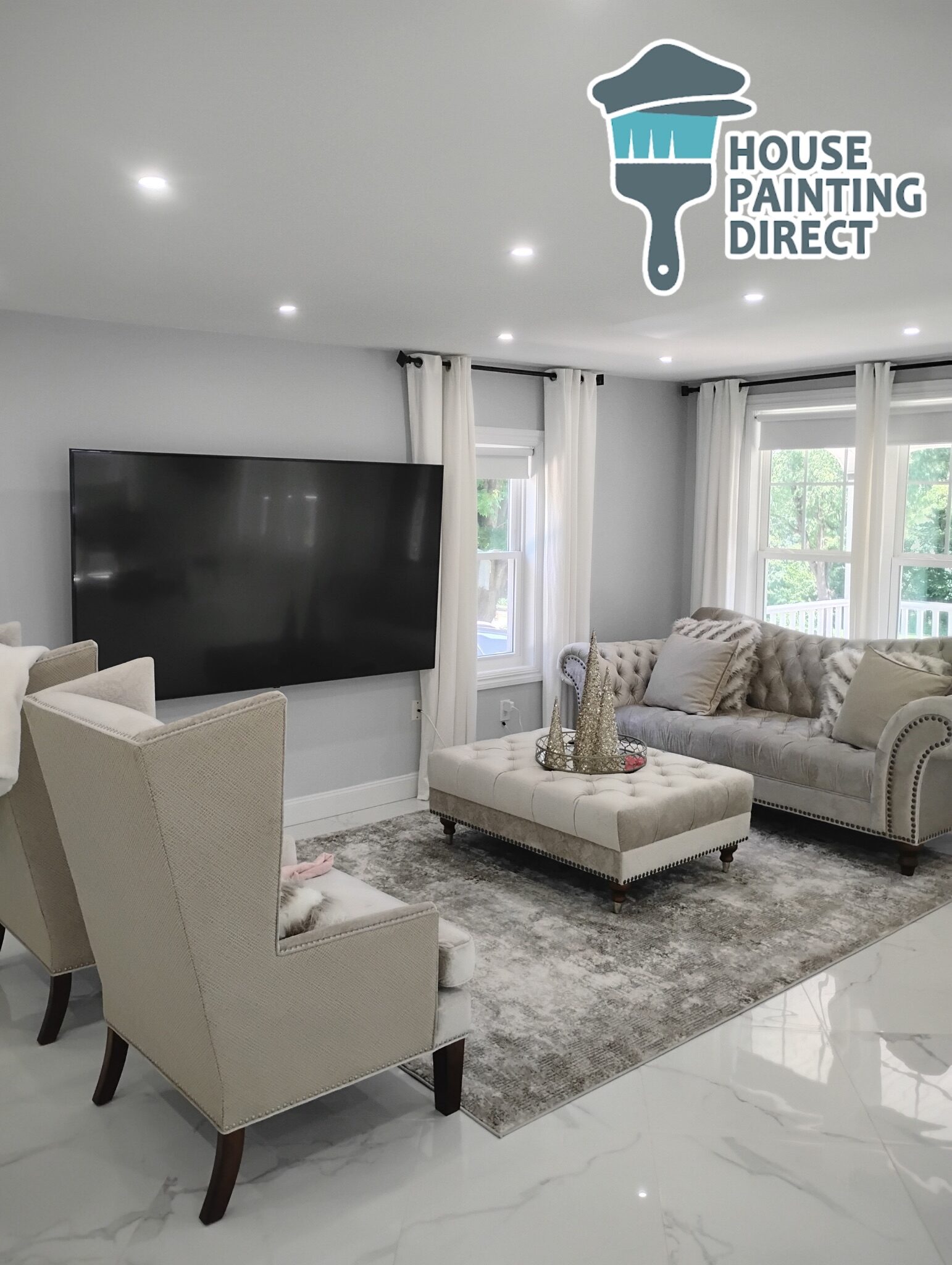
Sometimes you don’t need damage to justify a repaint. A fresh color can completely shift the feel of your home — brightening rooms, modernizing older spaces, and giving your style a clean, updated look. Homeowners across Wilkes-Barre, Dallas, Shavertown, and Clarks Summit often refresh their interiors simply to match new décor or create a more welcoming mood.

If you’re planning to sell your home, a new coat of paint can make a remarkable difference. Neutral, modern tones help spaces feel cleaner, larger, and more move-in ready — something buyers in areas like Harveys Lake, Mountain Top, and Kingston notice immediately. A well-chosen palette can elevate your home’s appeal and help it stand out in the market.
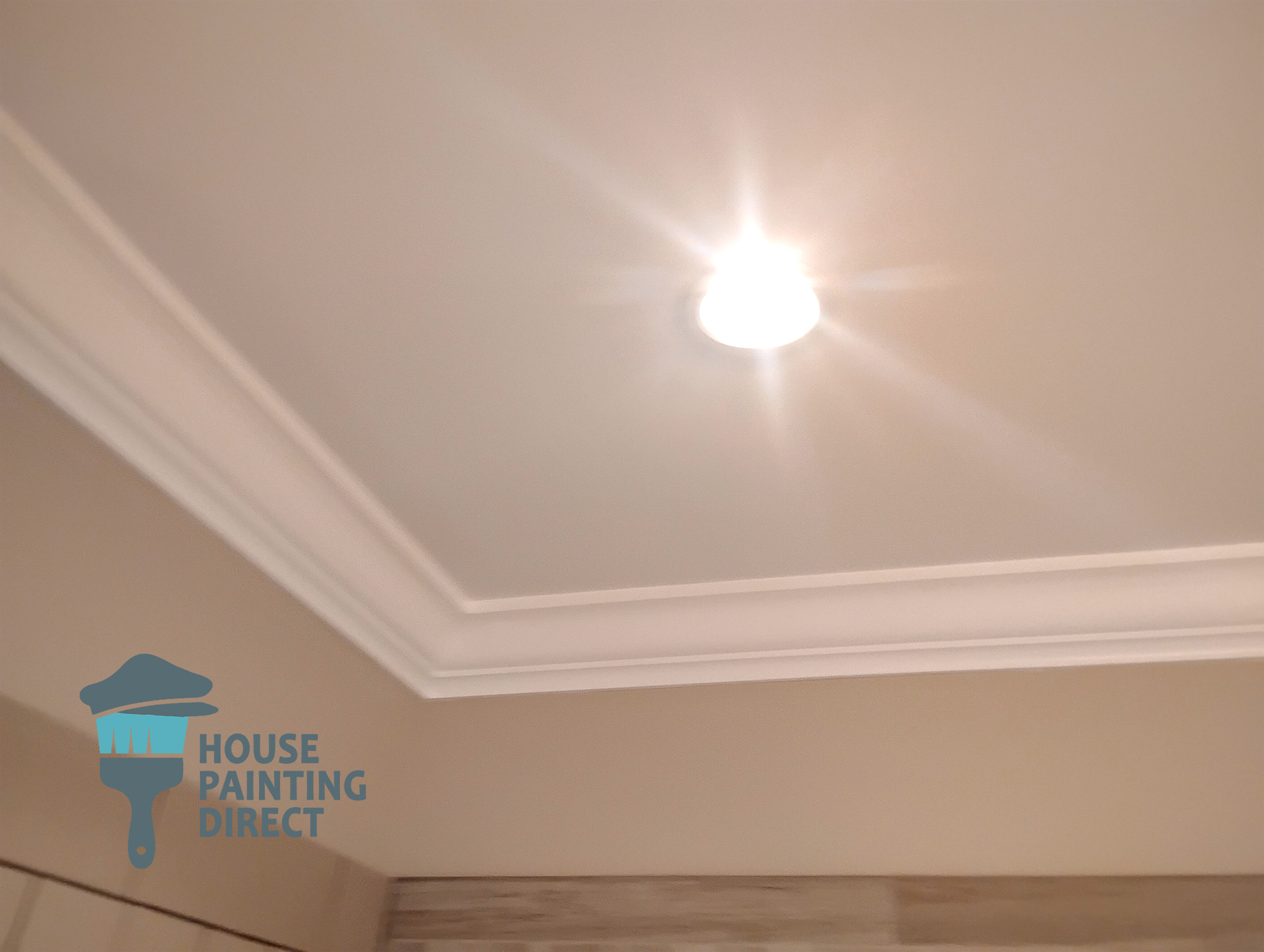
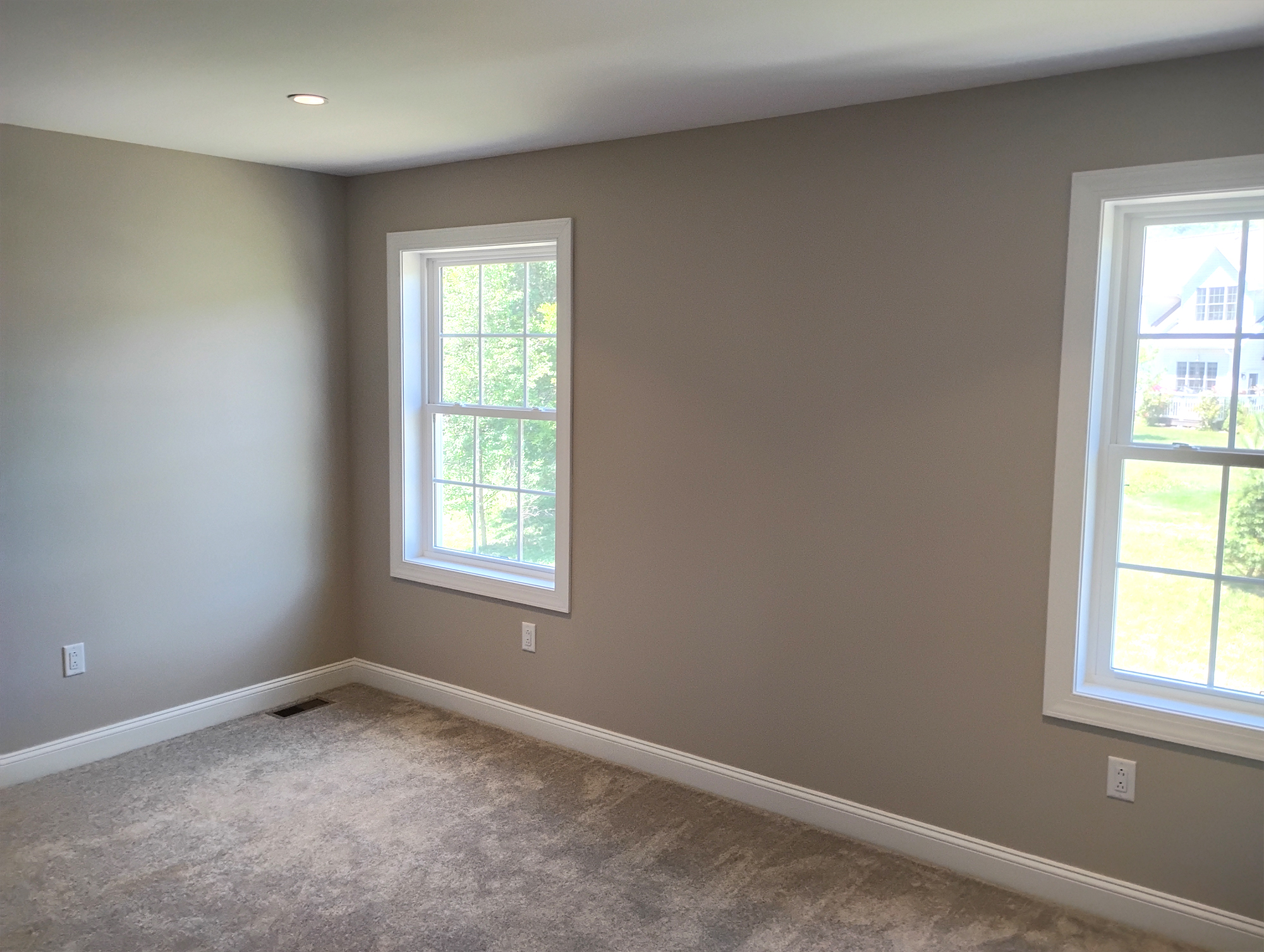
ceiling trim painting house painting interiors

Repainting Is More Than Cosmetic — It’s Protection.

A well-timed paint job does more than refresh your home’s appearance — it creates a protective shield against moisture, sunlight, and daily wear. Quality paint helps prevent cracking, swelling, fading, and other long-term damage caused by weather and time, all while keeping your home looking cared for and easy to maintain.

Our team uses professional-grade materials and time-tested techniques to ensure every surface is properly sealed and finished. The result is a home that stays protected, polished, and vibrant for years to come.

Contact House Painting today

If you’re wondering whether it’s time to repaint, we’re here to help. Reach out for a free inspection and color consultation, and we’ll walk you through your options, answer your questions, and help you envision a refreshed, beautifully finished space.

Your home, renewed — with precision, care, and craftsmanship.