
What you can’t see might cost you more in the long run.
It’s easy to be tempted by low prices—but when it comes to paint jobs, you often get what you pay for. The difference between cheap and professional isn’t just the price—it’s the prep, materials, technique, and long-term results
Why Professional Painting Makes All the Difference
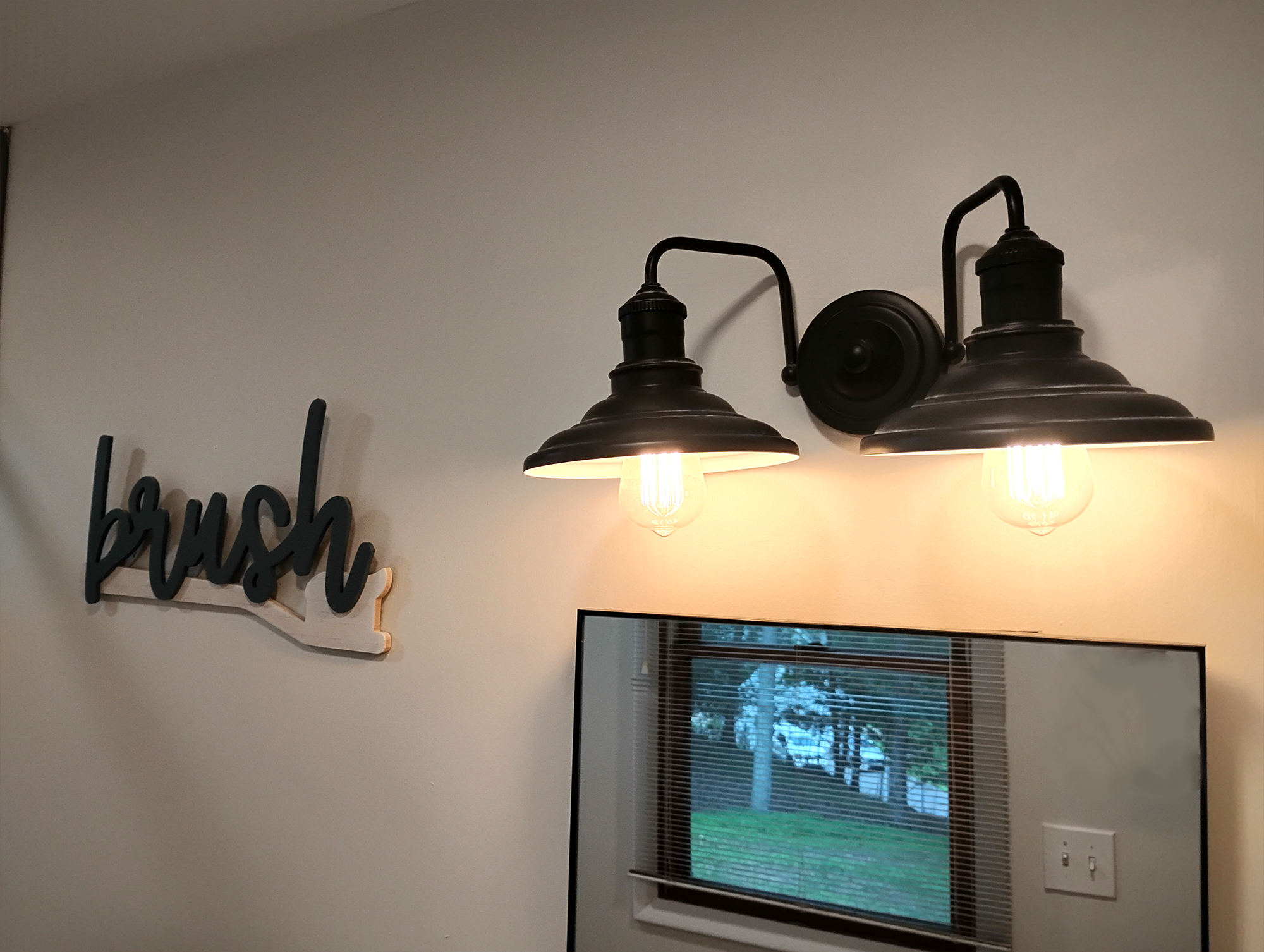
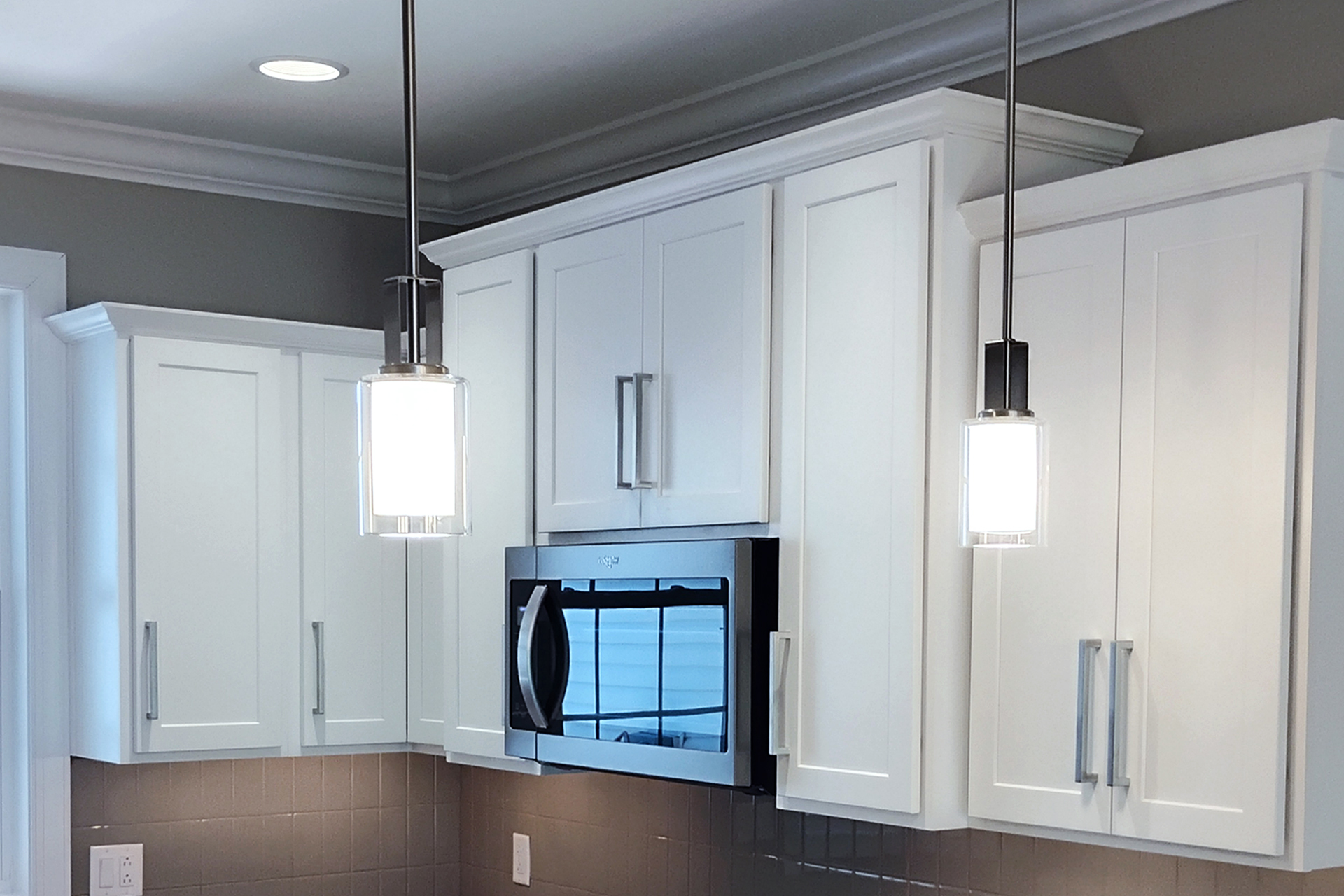
Professional painting stands apart not just in the finish, but in everything that leads up to it. A cheap paint job often skips essential surface preparation—no cleaning, sanding, or priming—which can cause premature peeling or uneven coverage. In contrast, professional painters prepare every surface thoroughly to ensure paint adheres properly and lasts, which is especially important for detail oriented projects like cabinet painting. They also use high-quality paint that resists wear, weather, and UV damage, unlike bargain paints that fade or chip quickly. Their attention to detail shows in the clean lines, sharp edges, and smooth textures. Ultimately, a professional job lasts years longer, backed by a warranty and peace of mind—saving you time, money, and frustration in the long run.
Licensing and Insurance
Licensed and insured painters protect both you and your property. That means every worker is covered, every step meets safety standards, and your home is in responsible hands. Cheaper, unlicensed painters might save you a few dollars upfront—but one mistake could cost thousands.
Speed and Efficiency
Experienced painters know how to get in, get it done, and get it right. From proper prep to clean, even coverage, professional crews complete projects faster without sacrificing quality. Cheap labor may take longer and still leave uneven lines, drips, or missed spots that need fixing later.
Quality of Materials
Professional painters use premium paints, primers, and finishes designed to hold up against time and weather. Cheap painters often cut corners with watered-down or bargain products that fade, peel, and fail within a season. With a pro, you’re investing in lasting beauty and protection—not a quick coat that needs redone next year.
Knowledge of Color and Medium
Professional painters understand how lighting, texture, and color interact throughout your home. They know which paints work best for your surfaces and how to create a cohesive finish that feels intentional and elevated. Cheap painters simply apply paint; professionals craft an atmosphere.
Communication and Follow-Through
A professional painting company values your time, your space, and your satisfaction. From the first estimate to the final walkthrough, clear communication keeps your project on track and stress-free. Cheap painters often disappear once the check clears—leaving you with unanswered calls and unfinished details.
Invest in a Finish That Lasts
You deserve more than a quick cover-up. Contact us for high-quality painting that holds up beautifully over time.
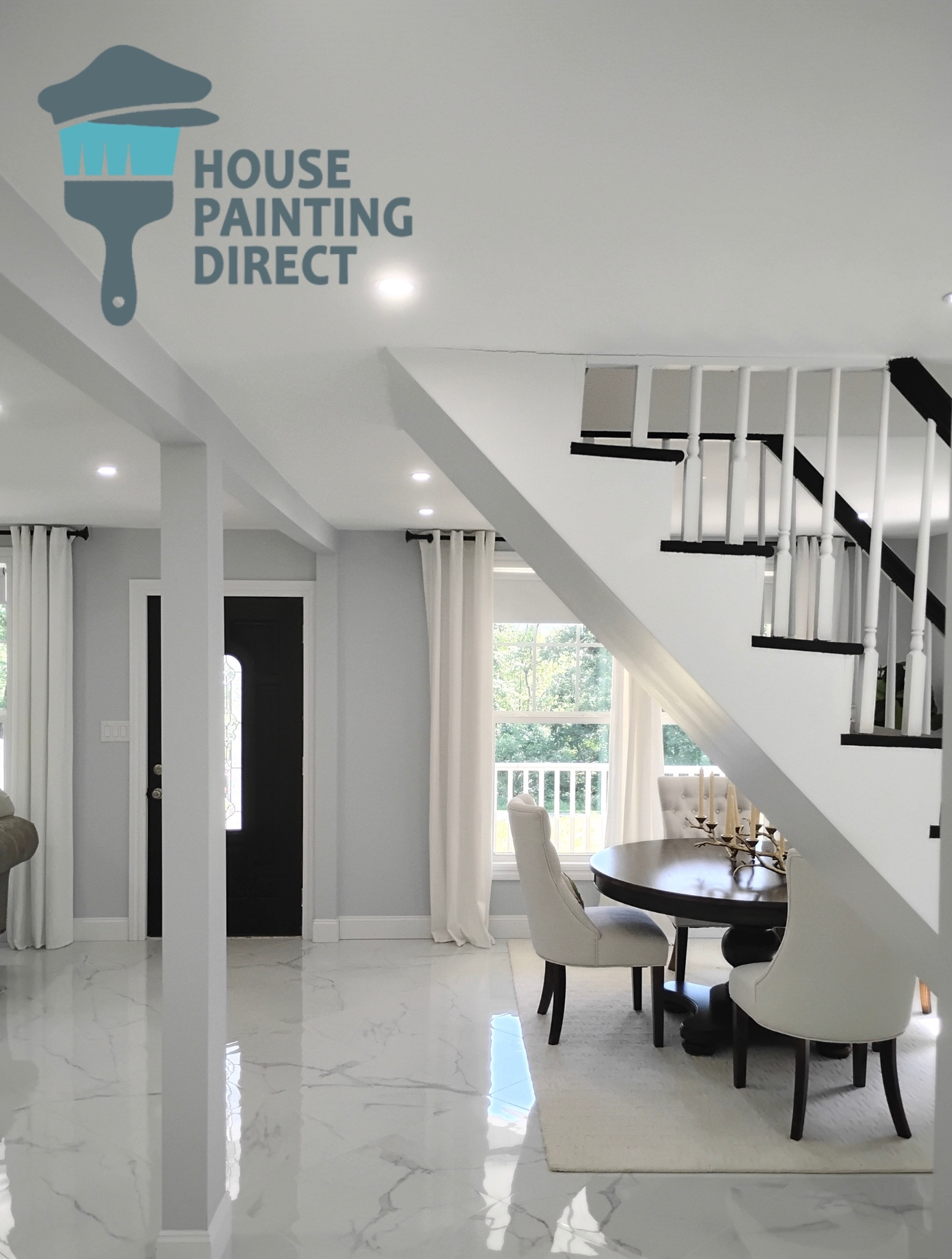
Painters in
Wilkes-Barre:
Built for NEPA’s Weather and History
In Wilkes-Barre, the changing seasons can be tough on a home’s exterior — from humid summers to freezing winters that test every layer of paint. Professional painters here understand how to protect historic homes and landmarks near the Luzerne County Courthouse with products made to endure that weather cycle. Whether it’s restoring a century-old trim or sealing a modern addition, skilled local painters know how to preserve the city’s character while keeping your home looking fresh year-round.
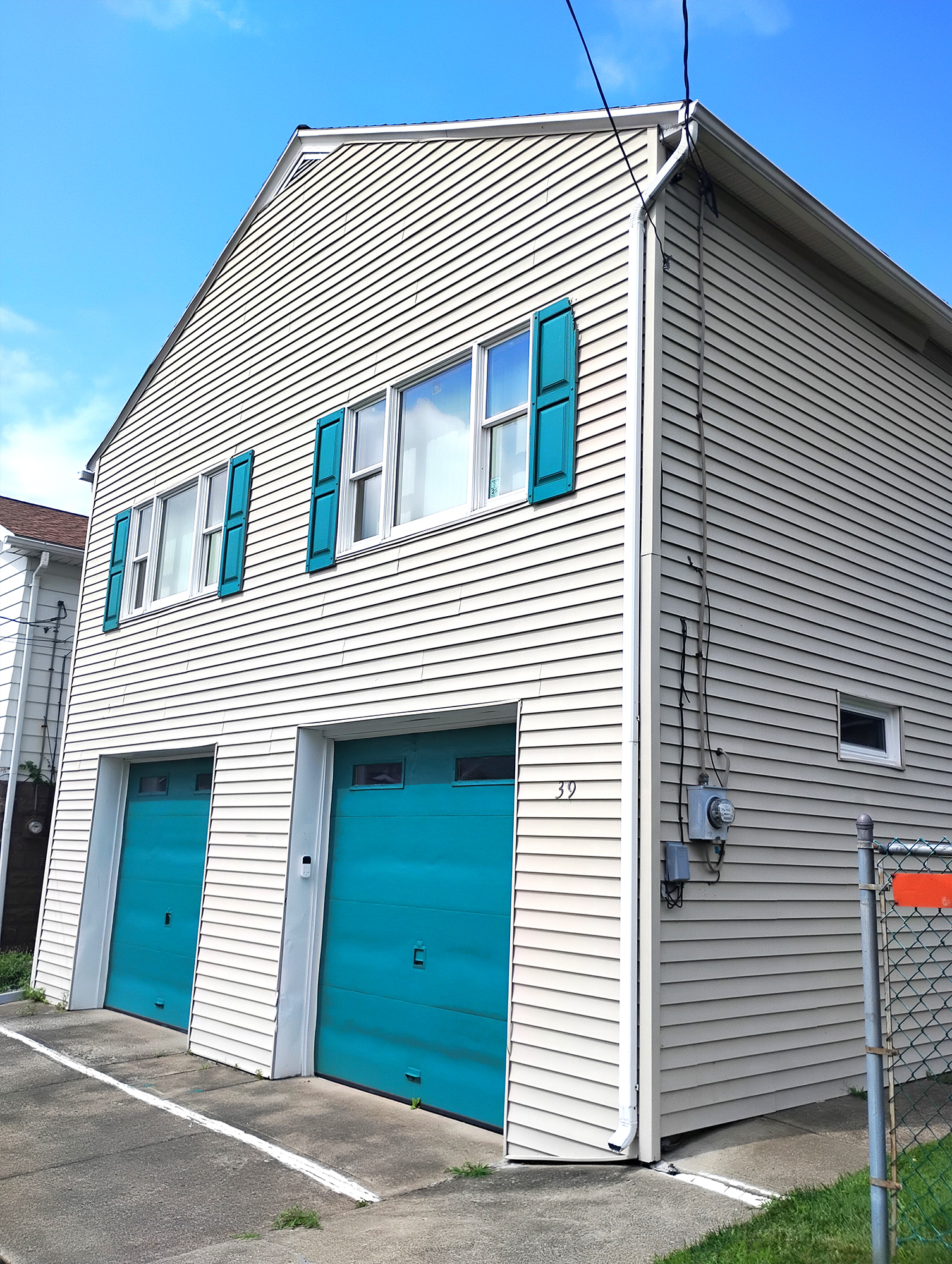
Painters in Scranton:
Precision for a City Built on Hills and Heritage
Scranton’s steep streets and historic architecture demand more than a quick paint job — they call for expertise. From the homes that climb the city’s hillsides to the vibrant spaces near Steamtown and the Marketplace Mall, professional painters here are used to working in challenging layouts and tight access points. Their precision, safety training, and knowledge of surface prep ensure clean lines and lasting finishes, even on the most hard-to-reach elevations.
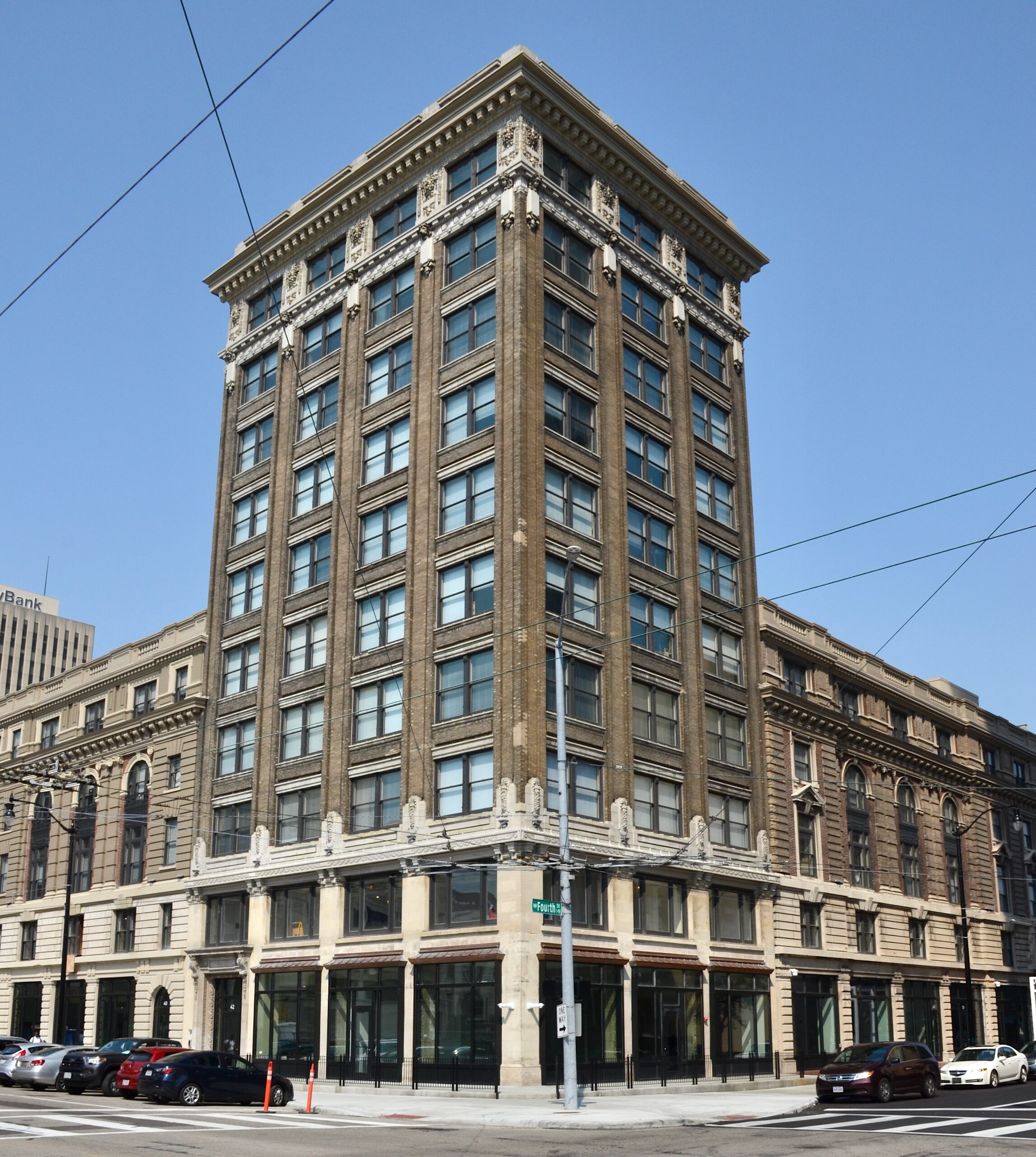
Painters in Hazleton:
Adapting to Every Neighborhood and Business Hub
Hazleton’s unique mix of tucked-away residential pockets and busy commercial corridors requires painters who can handle both with efficiency and care. Local professionals bring that versatility — whether it’s refreshing storefronts along the strip malls or brightening homes in surrounding areas like Falls, White Haven, or Drums. With professional painters, every project is approached with the right coatings, timing, and attention to detail suited for Hazleton’s diverse spaces.
Ready to refresh your home with lasting quality?
Trust the local professionals who know NEPA’s homes, weather, and style best.
Request your free painting estimate today and see what a difference true craftsmanship makes.
How to Choose the Perfect Interior Color Without Regret
The Wrong Paint Color Usually Isn’t “Wrong” Until It’s On the Wall Almost everyone has had the same experience at some point. You pick a paint color in the store.It looks perfect on the sample card.Maybe even perfect online. Then it ends up on the wall and suddenly:...
Best Exterior Paint Colors for Modern Homes in 2026
Color Trends Are Getting Warmer, Richer, and More Regional For a while, modern exterior color palettes leaned heavily into stark contrasts — bright white siding, flat black trim, cool grays everywhere. That look is not disappearing completely in 2025, but across NEPA,...
Is Your Paint Failing or Is It a Bigger Problem?
Sometimes Paint Is the Warning Sign — Not the ProblemMost homeowners first notice something cosmetic. A few peeling spots near the trim. Bubbling paint on the shady side of the house. Hairline cracks around a window frame. Maybe discoloration along the lower siding...
How Mold and Mildew Destroy Paint (and How to Prevent It)
The Damage Usually Starts Quietly Most homeowners don’t notice mold or mildew problems the day they begin. At first, it may just look like slightly darkened siding near the gutters. A faint green haze on the north side of the house. Maybe a chalky discoloration near...
What Causes Paint to Bubble or Crack in Humid Climates
Moisture Always Finds the Weak Spot Paint rarely fails randomly. When bubbling, blistering, or cracking starts showing up on a home in NEPA, especially after a stretch of humid weather, there’s usually moisture involved somewhere in the system — either trapped beneath...
Signs Your Home Needs Repainting Before Serious Damage Starts
The Line Between Maintenance and Repair In Wilkes-Barre, there’s a very real tipping point with exterior paint. One season, your home looks a little tired. The next, you’re dealing with peeling edges, exposed wood, and areas that feel soft instead of solid. The shift...
Why Your Exterior Paint Is Peeling (And How to Fix It for Good)
It Starts Small—But It Doesn’t Stay That Way In Wilkes-Barre, peeling paint rarely shows up all at once. It starts with a corner of trim near a window, maybe a section along the garage, maybe the back side of the house you don’t look at every day. Then one season...
Preparing Your Home’s Exterior Before a NEPA Winter
A Wilkes-Barre Homeowner’s Cold-Season Advantage In Wilkes-Barre, winter doesn’t just arrive—it settles in. Between the river valley moisture, sudden cold snaps, and long stretches of overcast days, your home’s exterior takes on a different kind of stress compared to...
How Snow, Ice, and Freeze-Thaw Cycles Affect Exterior Paint
What Winter Really Does to Your Paint In Northeastern Pennsylvania, winter doesn’t arrive gently—it settles in, lingers, and works your home over in ways that aren’t always obvious at first glance. You see the snow. You feel the cold.What you don’t see is how those...
Winter Interior Painting: What Homeowners Should Know
A Season Built for Interior Work In Northeastern Pennsylvania, winter has a way of shifting how we use our homes. Windows stay closed, routines move indoors, and spaces that felt fine in passing suddenly get more attention. It’s also one of the most overlooked...